

By Pesach Benson • July 7, 2026
Jerusalem, 7 July, 2026 (TPS-IL) — Israeli researchers have found that tire particles left behind on roads can act as long-term sources of chemical contamination, potentially allowing pollutants to move from soil into food crops.
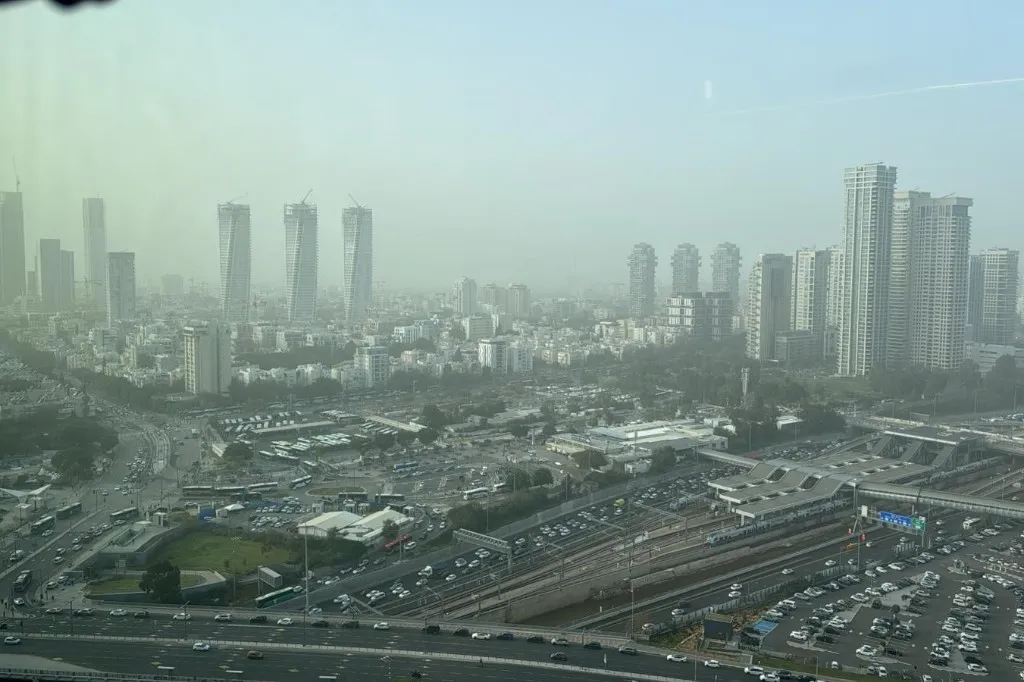
Every journey by car leaves behind more than exhaust emissions. As tires wear down against road surfaces, they release tiny rubber particles that accumulate in soils and waterways near roads and highways. New Israeli research has found that these particles are not just passive microplastic waste but can continue releasing chemical contaminants that may reach food crops.
Globally, approximately 1.5 billion tires are produced each year, and tire wear particles are increasingly recognized as a major source of microplastic pollution. These particles can reach agricultural landscapes through atmospheric deposition, road runoff, wastewater irrigation, and biosolids — treated wastewater solids sometimes used as agricultural fertilizer.
The study, led by Chao Gao, Prof. Benny Chefetz, and Dr. Evyatar Ben Mordechay of Hebrew University of Jerusalem, provides new evidence that tire wear particles themselves gradually release chemical additives into agricultural soils, where the contaminants can be absorbed by plants and potentially enter the food chain.
Published in the peer-reviewed Environmental Research, the research addresses an important unanswered question in the study of tire pollution: whether tire particles simply accumulate in the environment or continue releasing chemical compounds after they reach soil.
Previous studies had detected tire-derived chemicals in vegetables and demonstrated that plants could absorb these substances. However, many of those experiments introduced chemicals directly into soil or water rather than examining actual tire particles under conditions designed to reflect real-world environmental exposure.
The new research shows that the particles themselves serve as chemical reservoirs.
“Our research shows that tire wear particles are not simply passive microplastics accumulating in the environment,” said Dr. Evyatar Ben Mordechay, the corresponding author of the study. “They behave as short- and long-term reservoirs of chemicals, gradually releasing contaminants into soil where they become available for plant uptake.”
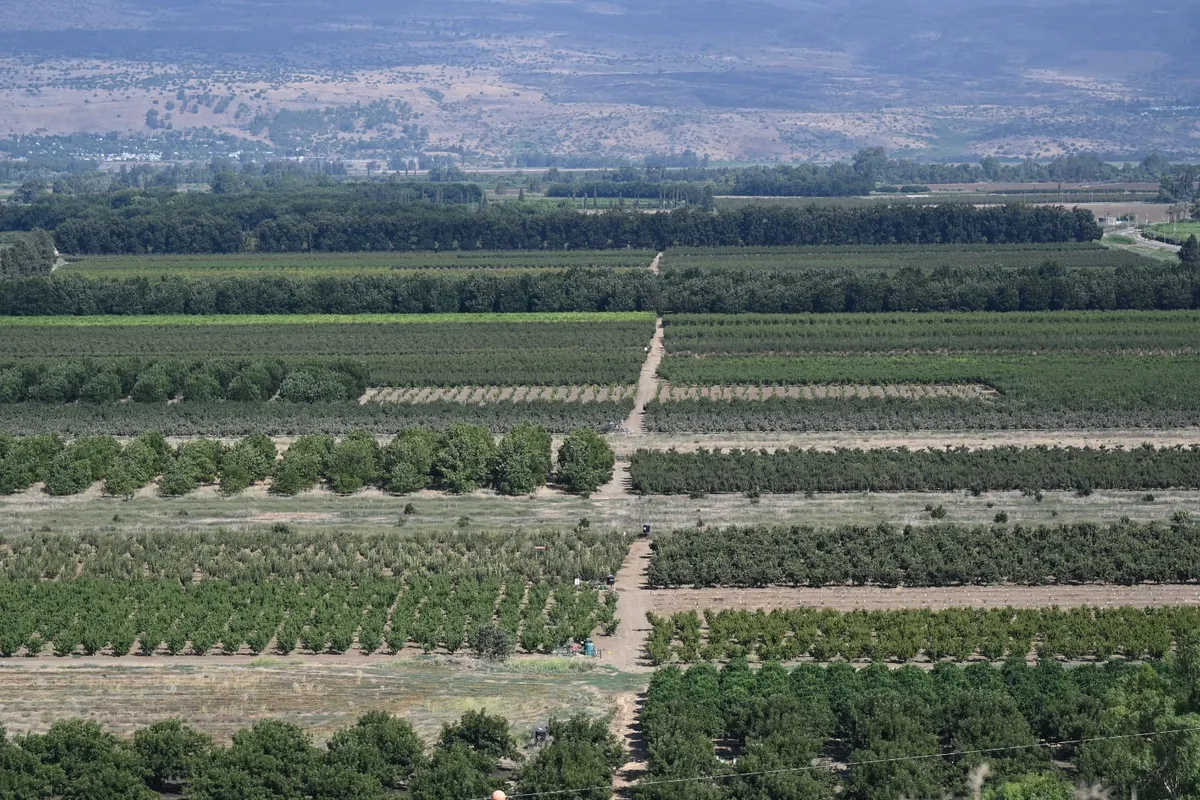
To examine this process, the international research team grew alfalfa and lettuce in agricultural soil containing concentrations of tire wear particles similar to those measured near roads and agricultural areas. The researchers then tracked six common tire-derived compounds as they moved from the particles into soil and ultimately into plant tissues.
The researchers discovered that tire particles release contaminants through a two-stage process. Some chemicals quickly move from the particle surface into the surrounding soil, while others slowly diffuse from inside the rubber material over time. This means tire particles can continue supplying pollutants to agricultural systems long after they are deposited.
Among the compounds examined, 1,3-diphenylguanidine (DPG), a chemical used in tire manufacturing, emerged as a particular concern because it was continuously released from tire particles, persisted in soil, and accumulated in both alfalfa and lettuce. In lettuce, DPG concentrations were significantly higher than those of several other tire-derived compounds studied.
The researchers also detected 6PPD-quinone, a highly toxic compound formed when the tire additive 6PPD breaks down, in both soil and plants. The finding raises further concerns about the environmental effects of tire particles and their movement through agricultural systems.
The study also found transformation products created from tire-derived compounds within plant tissues, suggesting that plants may alter some of the contaminants after absorbing them. Researchers said these findings provide new insight into the environmental fate of tire-related pollutants and how they move through food production systems.
Although the study does not provide a way to remove tire-derived contaminants, the researchers said the findings could help guide future food safety monitoring, agricultural practices, and the development of safer tire technologies.
“This study changes the way we think about tire wear pollution,” said Prof. Benny Chefetz, senior author of the study. “Tire particles are often discussed primarily as a microplastic issue. Our findings show that they should also be viewed as long-term carriers of chemical contaminants capable of moving through soils and into crops.”