

Tire Particles Can Transfer Chemicals Into Plants, Israeli Study Warns
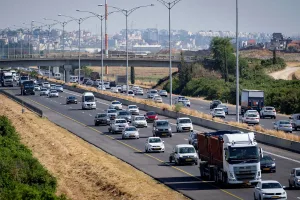
A Hebrew University of Jerusalem study by Prof. Benny Chefetz reveals tire particles release chemicals into agricultural soils, potentially contaminating food.
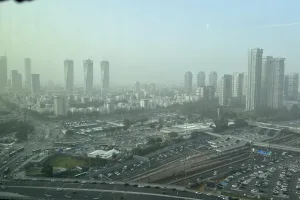
New data from Israel's Central Bureau of Statistics in Jerusalem shows air pollution significantly cut, but recycling rates at 25.3% lag behind OECD nations.
The Israeli Breathing Project, a biological pesticide initiative, has inspired 21 countries including Jordan and Morocco, promoting environmental cooperation.
Israel's Ministry of Environmental Protection will invest $58 million in environmental upgrades for northern Israel, focusing on waste treatment and public.
Israel's government approved a NIS 32 million plan to significantly reduce air pollution and odors in Ashdod's northern industrial zone.
Israel's largest marine project, 12 breakwaters in Netanya, is complete, protecting 3.5 km of coastline and expanding beaches with sand from Ashdod.
Ahead of World Environment Day, Israel announced major decreases in air pollutants, including sulfur dioxide and lead, from 2000-2024.
Israel Police destroyed illegal waste dumps in Al-Azariya, arrested the owner, and confiscated equipment.
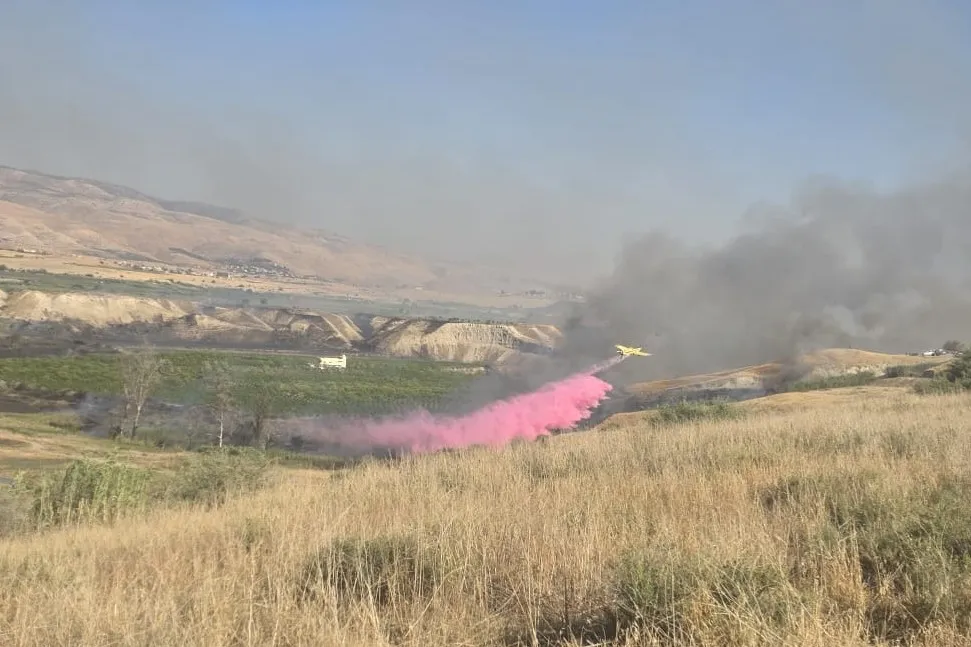
Israel's Fire and Rescue Service reports control over Samaria wildfires and ongoing efforts in the Jordan Valley, aided by firefighting aircraft.
Nine Israeli firefighter teams are battling multiple wildfires near Har Bracha in Samaria, while six teams are deployed to a developing fire at Ein Sukkot.
New data from Israel's Central Bureau of Statistics in Jerusalem shows air pollution significantly cut, but recycling rates at 25.3% lag behind OECD nations.
Israel's Ministry of Agriculture designates eight northern forests, totaling 7,000 acres, as new forest reserves to enhance protection.