
By Pesach Benson • April 27, 2026
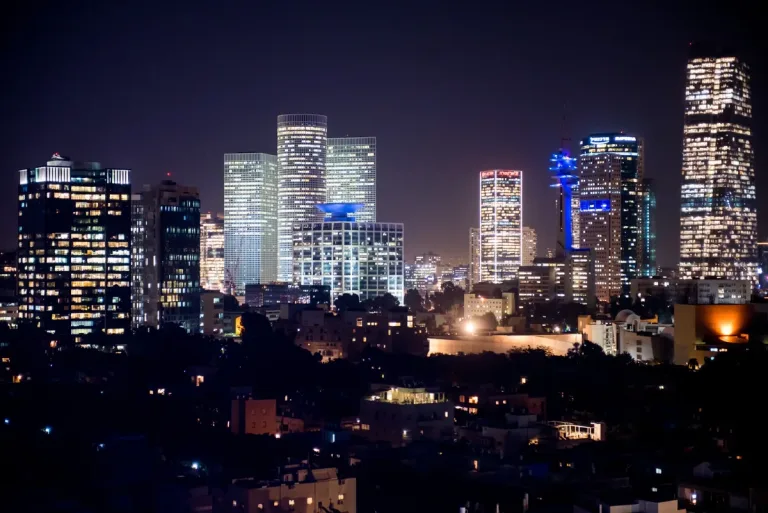
Jerusalem, 27 April, 2026 (TPS-IL) — Artificial lighting at night can disrupt the body’s natural immune rhythms and significantly increase mortality risk in mammals, according to a new study from Tel Aviv University that researchers say provides some of the clearest real-world evidence to date of the biological harm caused by light pollution.
The study, published in the peer-reviewed Environmental Pollution, found that even low levels of artificial light — equivalent to standard street lighting — can interfere with the immune system’s internal timing and were associated with a 2.35-fold increase in the risk of death in wild rodents.
While previous research has suggested that artificial light can disturb circadian rhythms, the new study goes further by showing how such disruption affects immune function under conditions that closely resemble the natural environment.
“Large parts of every mammal’s body, including our own, are regulated by an internal biological clock,” said Hagar Vardi-Naim, a doctoral researcher who led the study. “With a 24-hour rhythm based on the natural light-dark cycle, this clock signals to physiological systems, including the immune system, what they should do at different times of day.”
To examine the effects of artificial light at night, or ALAN, researchers studied two species of wild rodents from Israel’s Judean Desert: the golden spiny mouse, which is active during the day, and the common spiny mouse, which is nocturnal. The animals were placed in outdoor enclosures at the university’s zoological garden, designed to simulate natural conditions.
Half of the enclosures were exposed to low-intensity white LED light during the night, while the control group experienced only natural light from the sun, moon, and stars.
Under natural conditions, the researchers observed a clear daily immune rhythm. Levels of lymphocytes, a type of white blood cell, rose and fell in a predictable 24-hour cycle, peaking during rest periods in the early morning hours. The team also found that immune responses were time-dependent: animals exposed to an antigen during their rest phase produced significantly more antibodies than those exposed during their active phase.
However, exposure to artificial light erased these patterns. Instead of distinct daily peaks and lows, immune activity became flattened, indicating that the animals’ internal clocks were no longer properly synchronized with their environment.
Internal Clocks Fall Out of Sync
“Exposure to light pollution completely muddled these rhythms,” Vardi-Naim said. “This means that the immune system loses its natural timing, and its response to infections, environmental stress, or vaccination might be less than optimal.”
The researchers say this loss of timing may have real biological consequences. Alongside disruption to immune and hormonal systems, the animals exposed to artificial light experienced a sharp rise in mortality, with a more than twofold increase in the risk of death compared to the control group. While the precise causes of death were not identified, the findings point to a likely link between disrupted biological timing and reduced survival.
“Our results show that artificial light at night is not merely an aesthetic environmental change, but an active biological factor capable of disrupting critical physiological mechanisms,” Vardi-Naim said. “Chronic exposure disrupted the timing of the immune and endocrine systems and impaired survival under otherwise natural conditions.”
Because many biological processes, including immune responses, are governed by similar circadian mechanisms across species, the results raise concerns about how widespread light pollution could affect human health.
“We believe that light pollution should be regarded as an environmental health risk with broad implications, not only for wildlife but also for human health and the ecosystem as a whole,” Vardi-Naim said.
The findings could influence how cities and public spaces are lit. Researchers say municipalities may need to reconsider lighting intensity, reduce blue-rich LED use, and direct illumination more precisely to limit unnecessary nighttime exposure. The results also reinforce growing interest in chronobiology, the study of how biological rhythms affect health. The research suggests that the timing of medical treatments, such as vaccinations, could affect their effectiveness, while indoor and hospital lighting may be designed to better align with natural circadian cycles.
Beyond human health, the study has implications for wildlife conservation and infrastructure design. Limiting artificial light in sensitive habitats and incorporating “dark corridors” for nocturnal species could help reduce ecological disruption, while environmental assessments may increasingly factor in light pollution as a risk to animal survival. At the same time, architects and planners may turn to practical solutions such as motion-activated lighting, shielded fixtures, and adaptive systems that adjust illumination based on need.