
By TPS-IL • May 11, 2026
Jerusalem, 11 May, 2026 (TPS-IL) — Israel’s rapidly strengthening Shekel is placing growing financial pressure on charities and nonprofit organizations in Israel, forcing some groups to rethink budgets, freeze hiring, and scale back activities.
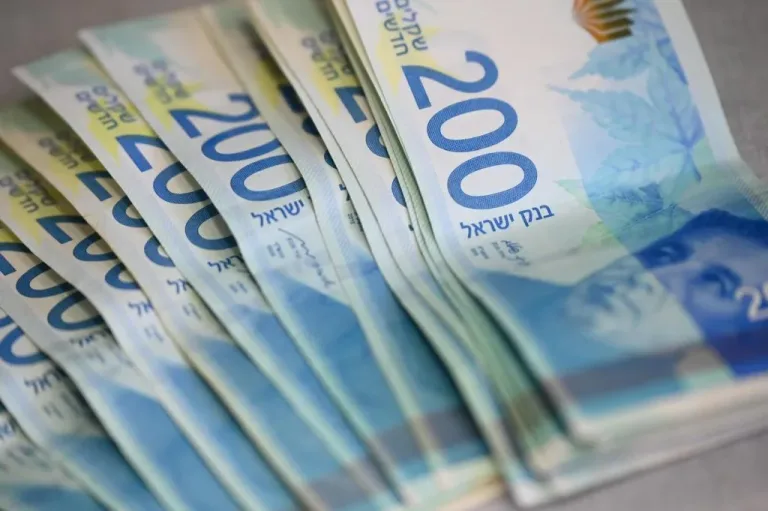
The challenge comes as the shekel has strengthened to its highest level against the U.S. dollar in more than three decades, driven by investor optimism in the Israeli economy, easing regional tensions, strong foreign investment, and broader global weakness in the U.S. dollar. Nonprofits that rely heavily on American Jewish philanthropy are seeing the value of donations decline in local currency terms, even as their core expenses—salaries, rent, and operations—are paid in shekels.
“We take a loss. It’s not what it used to be,” Richard Corman told The Press Service of Israel. Corman is the Development Director for StandWithUs, a pro-Israel international nonprofit organization focused on education, advocacy, and combating antisemitism based in Jerusalem. He is also a former chairman of the board of the Michael Levin Base, which supports lone soldiers serving in the Israel Defense Forces.
“So clearly we have to account for that in our budgeting. To put it in perspective, two years ago the exchange rate was around 3.4, and since then it has steadily declined. It’s good for the strength of the shekel, but not good for companies that export, and in this case, for charitable contributions,” he said.
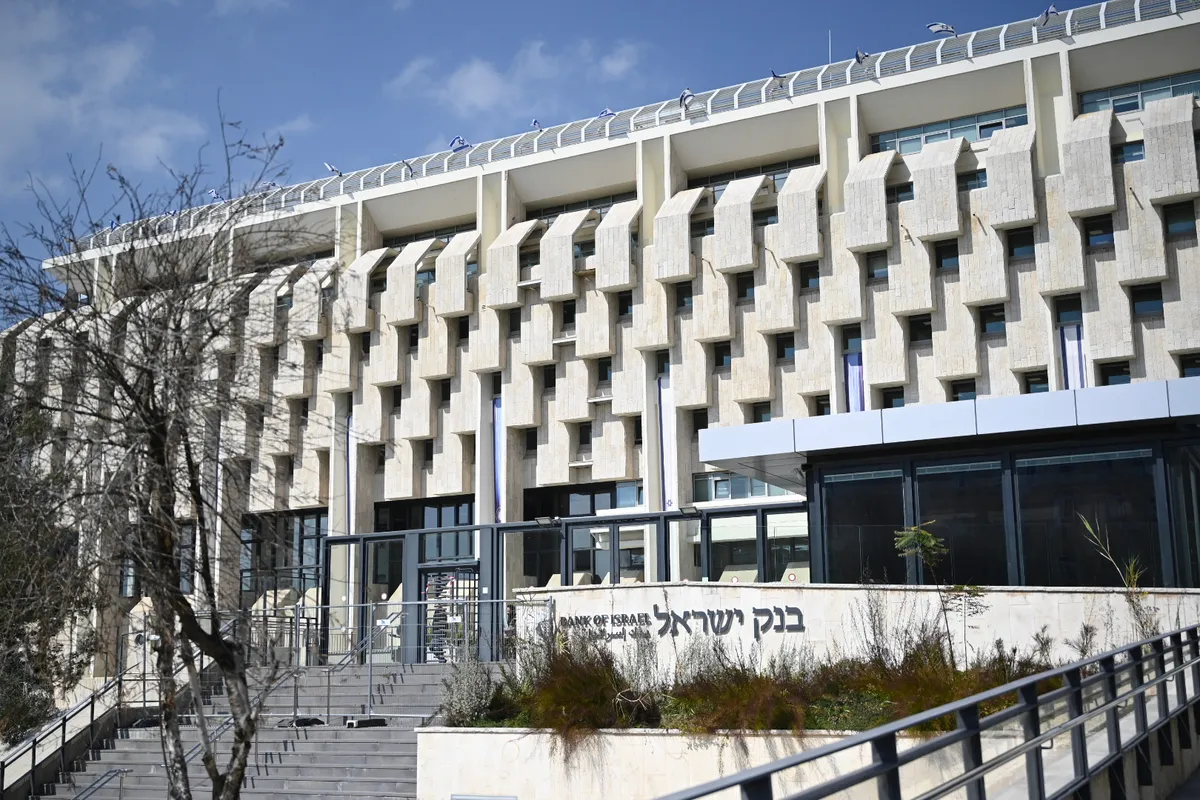
The value of the U.S. dollar fell below three Shekels in April, reaching its lowest level since 1993. The Bank of Israel has so far signaled that it is in no rush to intervene in currency markets, despite growing concern among exporters and organizations dependent on dollar-denominated income.
Foreign Donations Lose Value
While a strong shekel helps reduce inflation and lowers import costs for consumers in Israel, economists note that it creates immediate difficulties for sectors whose revenues are tied to foreign currencies.
“All Israeli exporters are stuck with the same problem,” Professor Yossi Spiegel of the Coller School of Management at Tel Aviv University told TPS-IL. Hi-tech, pharmaceuticals, agriculture, and manufacturing, among others, are also feeling the pinch because their revenues are also tied to foreign currency.
“The only body that can address this situation is the Bank of Israel. But the argument is that if this is a trend driven by broader economic forces, then the Bank of Israel cannot really intervene and reverse it. In many countries where central banks tried to fight such trends, investors essentially bet against them,” he added.
Many Israeli nonprofits receive most of their funding from donors in North America, particularly Jewish communities and philanthropic foundations that traditionally give in U.S. dollars. Those funds are then converted into shekels to finance social programs, humanitarian aid, educational initiatives, and salaries.
As Exchange Rates shift, organizations are finding that the same donation now covers significantly fewer expenses in Israel.
A contribution of $1 million that would have translated into roughly NIS 3.7 million a few years ago is now worth closer to NIS 2.9 million, creating budget shortfalls for organizations already operating under wartime pressures.
Very Difficult to Make Forecasts
The currency shift also complicates long-term planning. Many nonprofit budgets are prepared months in advance based on assumed exchange rates, meaning sudden fluctuations can destabilize operations midyear.
“For a nonprofit organization, budgets are prepared months in advance, so we now need to revise ours,” Corman said. “In the fall the dollar was higher. We didn’t expect it to drop below three shekels. Who would have thought that during a war the shekel would become stronger?”
The pressure comes at a sensitive moment for Israel’s nonprofit sector, which has faced soaring demand since the October 2023 Hamas attack and the subsequent fighting with Hezbollah and Iran. Charities assisting evacuated families, reservists, trauma victims, schools, and vulnerable populations expanded operations significantly during the course of the war, often relying on emergency overseas fundraising campaigns.
According to Spiegel, organizations should not assume the current situation is temporary.
“One of the things we learn in economics is that it is very difficult to make forecasts, especially about the future. With currency exchange rates it is almost impossible. The current situation could continue… You cannot simply assume it is temporary and will pass, because maybe it will not. We just do not know,” he said.
Some organizations have already begun exploring financial hedging tools or opening shekel-based donation channels to reduce exposure to currency volatility, although smaller nonprofits often lack the financial expertise or reserves to do so.
Corman said that many organizations rely on intermediary services that offer preferential exchange rates, even if they charge additional fees.
“It affects everyone,” Corman said. “All charitable organizations, whether it’s the American Friends of Hebrew University or Yad Vashem, they are all receiving donations in American dollars. Every charitable organization has to be realistic. It simply means that fundraising targets for this year will have to increase.”