A Ritual Bath 30 Metres From the Temple, Sealed in Ash
Archaeologists found a rock-cut mikveh beneath Jerusalem's Western Wall Plaza, closed off by the ash layer left when the Romans destroyed the city.
Illustration
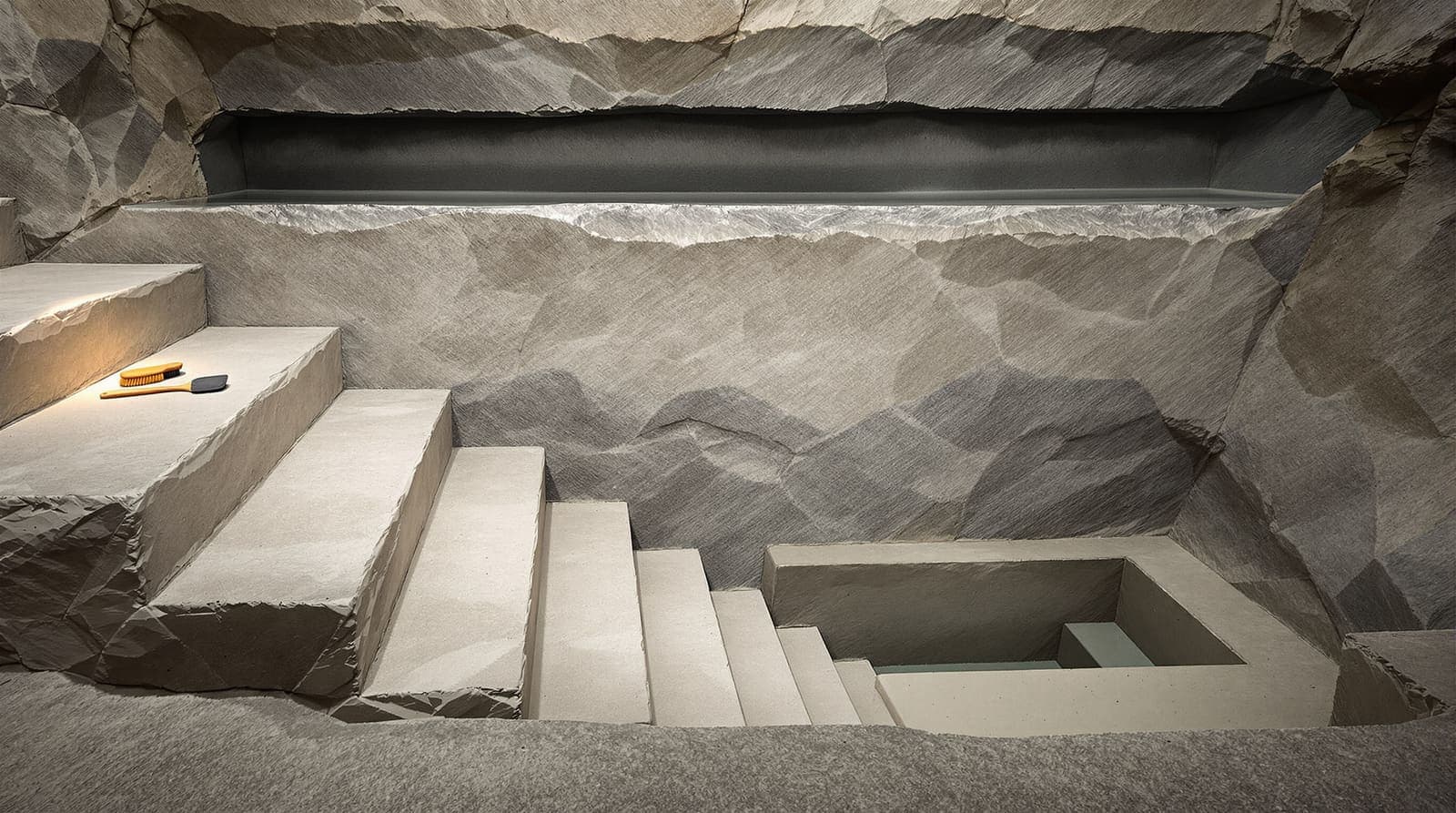
Archaeologists digging beneath the Western Wall Plaza in Jerusalem have uncovered a rock-hewn Jewish ritual bath from the last days of the Second Temple period, adding physical evidence of how Jews lived and observed around the Temple complex nearly 2,000 years ago. The excavation was run by the Israel Antiquities Authority, the government body responsible for archaeology in Israel, and its director, Ari Levy, described the find to The Press Service of Israel.
A mikveh is a pool of water used for ritual immersion under Jewish law. "Many ancient ritual baths have been found in Jerusalem, but not in such proximity to the Temple location," Levy said. "It is significantly close to the Temple. It is located only 30 meters (98 feet) west of the Temple site and in proximity to the main entranceways to the Temple Mount."
What the ash layer means
The bath was sealed beneath layers of ash left by Jerusalem's destruction at Roman hands. Ash was found inside the sealing layer along with pottery vessels and stone containers of a kind characteristic of Jewish households in the late Second Temple period. The antiquities authority said the context of the ash leaves little doubt that the installation was in use until the final moments before the city fell.
That sealing is what makes the find useful. A layer laid down in a single catastrophe fixes everything under it to a moment. The Times of Israel, reporting the announcement on 29 December 2025, quoted the antiquities authority as calling it the first stratigraphic identification in this area of the burnt layer from the fall of the Second Temple in 70 CE. The Jewish Telegraphic Agency and The Jerusalem Post reported the same day that the find was announced jointly by the antiquities authority and the Western Wall Heritage Foundation.
The bath itself
The mikveh is rectangular, a little over three metres (about 9.8 feet) long, with plastered walls and four carefully carved steps leading down into it. Plaster matters here: unlike the tunnel walls at some other sites, a mikveh had to hold water, and the lining is part of what identifies it.
A city organised around purity
The excavation area sits close to what were once the main entrances to the Temple compound, including the Great Bridge to the north and Robinson's Arch to the south. Earlier digs in the same area have turned up further ritual baths and stone vessels, which strengthens the picture of a neighbourhood built around Temple activity and the observance of ritual purity law.
Researchers believe the bath served both local residents and the large numbers of pilgrims who came to Jerusalem, especially at festivals. In Temple-era Jerusalem, ritual purity was not confined to priests or to formal religious settings; it ran through ordinary daily life across the city. The Times of Israel quoted Levy making the practical point: before entering the Temple, a person had to purify themselves in a mikveh, and the pilgrimage festivals of Passover, Shavuot and Sukkot brought crowds who all needed somewhere to do it.
Where the bath ends up
The digging is being carried out alongside development work intended to open more of the underground area beneath the Western Wall Plaza to visitors. The antiquities authority and the Western Wall Heritage Foundation, which runs the day-to-day affairs of the Western Wall, said the mikveh is expected to become part of the expanded underground route.
The Western Wall is the holiest place at which Jews can pray and is the surviving remnant of a retaining wall that once encircled the Temple Mount, built by Herod the Great in the first century. The Temple Mount, where the First and Second Temples stood, is the holiest site in Judaism.
What is still unclear
The statement did not give a construction date for the bath, only that it was in use until the destruction. It did not say how long the excavation has been running or how much of the surrounding area has been opened. Nor did it give a timetable for when the mikveh will be accessible to the public on the underground route.
Sources and further reading
Every link below was opened and checked when this page was written. Official statements are marked as such: they are the subject's own account, not an independent one.
- ReportingJewish Telegraphic Agencyjta.orgMikveh unearthed beneath Western Wall plaza shows evidence of Temple's destruction
Independent account of the joint IAA and Western Wall Heritage Foundation announcement
- ReportingThe Times of Israeltimesofisrael.comFire-blackened 2,000-year-old mikveh is a portal into 70 CE Roman conquest of Jerusalem
The destruction layer, the pilgrimage festivals and Ari Levy's explanation of pre-Temple immersion
- ReportingThe Jerusalem Postjpost.comIsrael finds Second Temple-period mikveh under Western Wall
Confirms dimensions, the 70 CE destruction layer and the Temple Mount entrances nearby
How we checked this
The excavation details, measurements and Ari Levy's quotations are taken from the Israel Antiquities Authority material of 29 December 2025 in the original statement. The dating of the destruction layer to 70 CE, the joint announcement with the Western Wall Heritage Foundation and the festival-pilgrimage context were checked against JTA, Times of Israel and Jerusalem Post reports from the same day.
Our sourcing and corrections policy →The week from Israel, in one email
The stories that mattered, sourced and checked by the Israel.com newsroom. Free, weekly, one-click unsubscribe.
One list, unsubscribe in a click. See our privacy policy.
More in Israel
All israel →
Latest
- IDF says Khan Younis strike killed Nukhba operative tied to Steinberg's death
- Yair Golan sues Sara Netanyahu for millions over Channel 14 remarks
- Ariel man, 53, found alive after entering Palestinian village overnight
- Houthi forces reported streaming into Yemen's port city of Mocha
- Israel says three Hamas weapons depots destroyed in strikes across Gaza
- Advisers warned Trump the Iran war could outlast his presidency