
By Pesach Benson • June 24, 2026
Jerusalem, 24 June, 2026 (TPS-IL) — Israel could lose parts of its energy independence within the next two decades due to planning gaps, infrastructure delays and growing reliance on natural gas exports, the State Comptroller, Israel’s independent public oversight authority, warned in a report released Wednesday.
The report says Israel has not developed a coherent long-term strategy for the energy sector, despite natural gas accounting for about 70% of electricity production. It also warns that existing reserves may not be sufficient to meet future domestic demand.
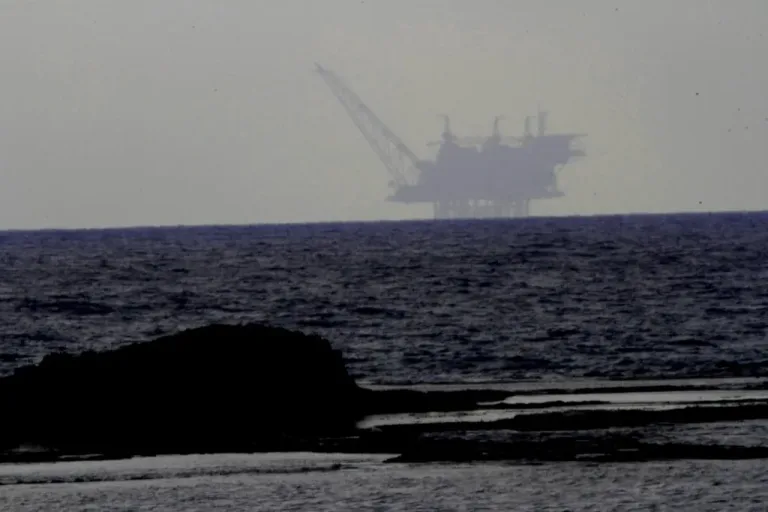
According to the report, 49% of Israel’s natural gas production in 2024 was exported to Egypt and Jordan. The Comptroller criticized the absence of a binding master plan for the sector and insufficient storage infrastructure. It also noted delays of about two years in the work of the “Dayan Committee,” which was tasked with updating national gas policy.
The report states that the government must act to “secure the needs of the local economy” and prepare for the eventual depletion of domestic reserves.
‘Days Away’ From Crisis
The report raises significant concerns about liquefied petroleum gas (LPG), widely used for cooking in Israel. At present, about 63% of LPG is produced domestically, but this is expected to decline sharply following the planned closure of the Haifa Bay refineries around 2030, increasing reliance on imports to approximately 82% of consumption.
Israel’s LPG storage capacity remains extremely limited, with the country dependent on a single maritime import route. Winter reserves are sufficient for only around three days of consumption, leaving the system highly exposed to disruptions.
The Comptroller cited a 2025 incident in which LPG supplies nearly ran out following damage to infrastructure. The report said Israel was “just days away from an unprecedented crisis,” which was averted only by the arrival of a supply shipment. The episode, it added, was a warning that the current system is not adequately prepared for routine disruptions or emergency scenarios.
Electricity Infrastructure Delays
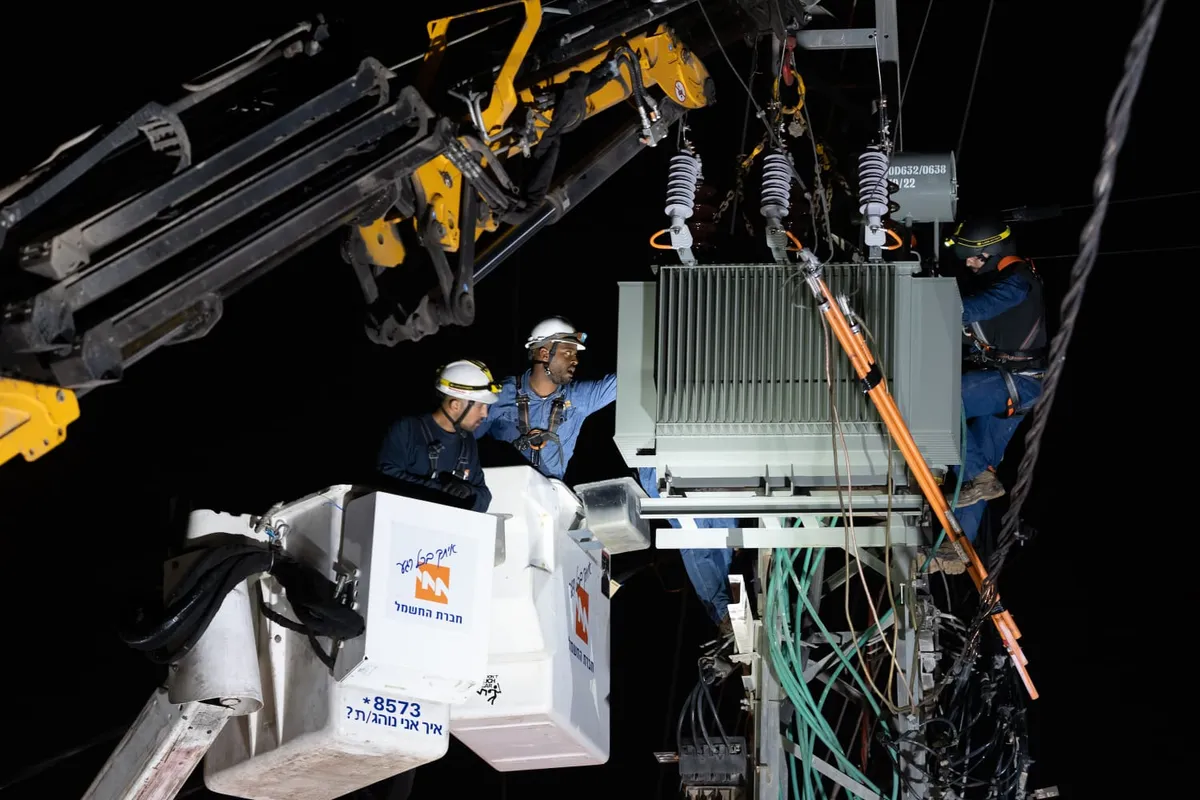
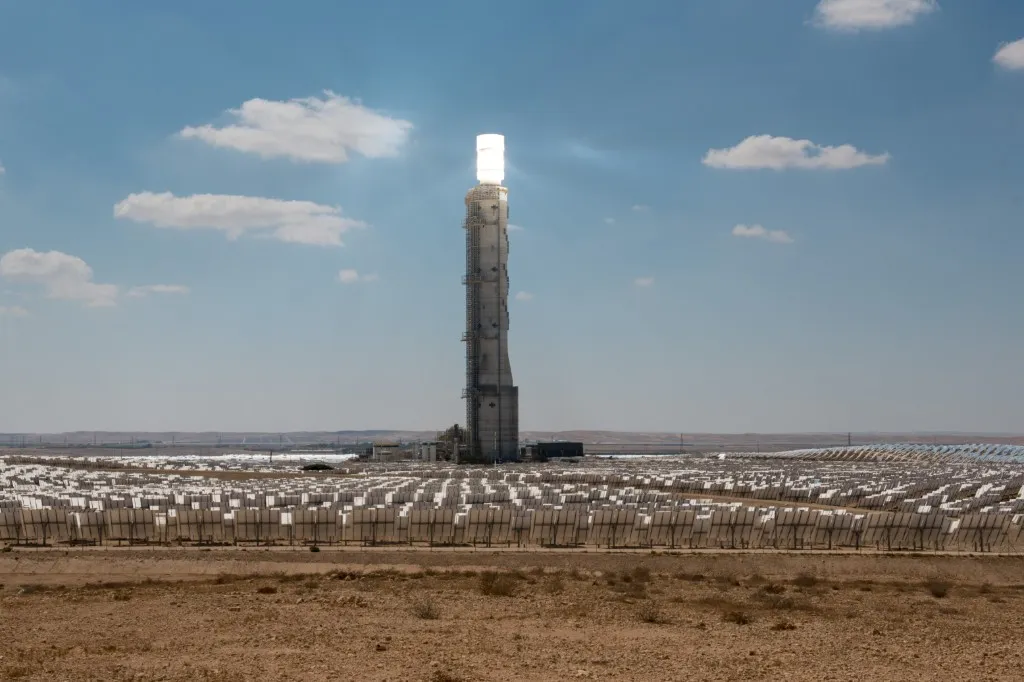
The report also identifies major weaknesses in electricity infrastructure planning and execution. Units 70 and 80 at the Israel Electric Corporation (IEC) Orot Rabin power plant in Hadera were completed nearly three years behind schedule, with construction lasting more than five years—more than double the original timeline.
The delays are attributed to poor planning, weak risk management, regulatory shortcomings and external disruptions, including the COVID-19 pandemic and the war in Gaza.
The financial impact is estimated at no less than NIS 4.6 billion (approximately $1.5 billion), including higher electricity production costs, environmental costs and increased project expenses.
The Comptroller urged the Israel Electric Corporation and the Ministry of Energy to strengthen oversight and enforcement mechanisms to prevent similar failures in future infrastructure projects.
The report concludes that without urgent action to expand storage capacity, improve infrastructure planning and strengthen regulatory systems, Israel risks repeated supply disruptions and increased exposure to volatility in global energy markets.