
By Pesach Benson • June 3, 2026
Jerusalem, 3 June, 2026 (TPS-IL) — Instagram’s recommendation algorithm can rapidly funnel ordinary users from mainstream self-improvement content toward antisemitic conspiracy theories and extremist propaganda within days, a U.S.-based antisemitism watchdog organization reported on Wednesday.
“You don’t have to search for antisemitic content to find it on Instagram,” said Oliver Marks, research director at the Antisemitism Research Center (ARC), the research arm of the Combat Antisemitism Movement, which released the study. “Our findings show that users engaging with normal self-improvement posts are algorithmically guided toward virulent antisemitic narratives and conspiracy theories. When platforms optimize for engagement without sufficient safeguards, they can end up amplifying hate to vast audiences.”
Researchers created two Instagram accounts designed to simulate ordinary users engaging with self-improvement content. They interacted only with mainstream, non-political posts and tracked recommendations during three consecutive days of 45-minute browsing sessions.
The accounts were assigned different interest profiles: one focused on wellness and biohacking content, and the other on fitness and discipline creators. Researchers recorded all recommended videos during each session.
The wellness-focused account was shown 59 classifiable videos, of which more than 32% were categorized as coded or explicit antisemitic content, including nine such videos in a single third-day session.
The fitness-focused account received 71 classifiable videos, with 24% identified as antisemitic content, including 17 in one browsing session.
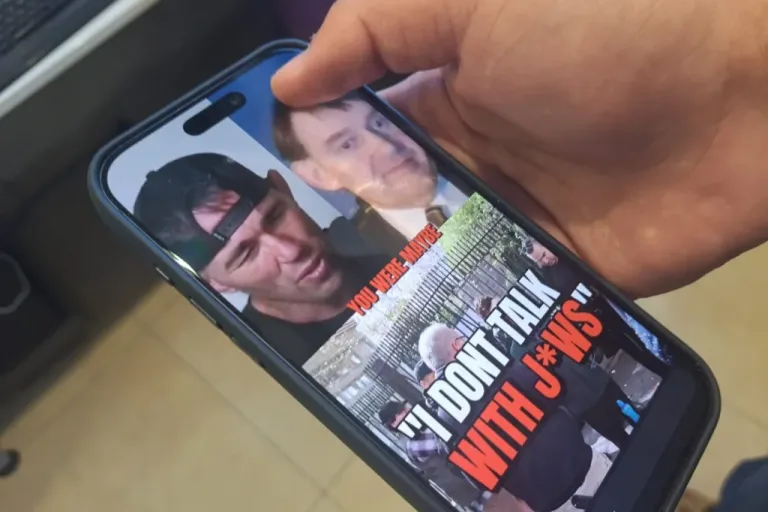
Recommended videos included conspiracy narratives such as claims that the Israel-Iran war was designed to “distract from a globalist plot to make Americans allergic to meat.” Other content promoted unfounded theories about “off-the-grid” living, alleged digital ID systems as government control mechanisms, and false claims about food products and historical events.
Additional videos included rants about “Jewish financial power” and claims that the Rothschild family orchestrated the sinking of the Titanic.
The researchers noted that antisemitic content appeared during the first session before any meaningful engagement history had developed, indicating early-stage algorithmic exposure.
The report highlighted three key trends: speed, volume, and convergence. Speed refers to the near-immediate appearance of antisemitic content, sometimes within the first browsing session before algorithms had sufficient interaction data. Volume describes the increasing proportion of antisemitic material over time as recommended feeds became more saturated with such content. Convergence refers to different user profiles being directed toward similar antisemitic narratives, conspiratorial themes, and occasionally identical videos despite starting from distinct interests.
The report follows up on earlier ARC investigations into online antisemitism, including the identification of more than 80 AI-generated https://tps.co.il/articles/report-exposes-network-of-fake-ai-rabbis-promoting-antisemitism-on-tiktok/” target=”_blank”>fake “rabbi” accounts on Instagram promoting antisemitic content. Similar activity was also reported on YouTube and TikTok, with many accounts later removed by Meta following CAM reports.
CAM said the findings underscore the need for greater transparency and accountability in social media recommendation systems. The organization called on Meta, Instagram’s parent company, to urgently review its algorithms and implement stronger safeguards.