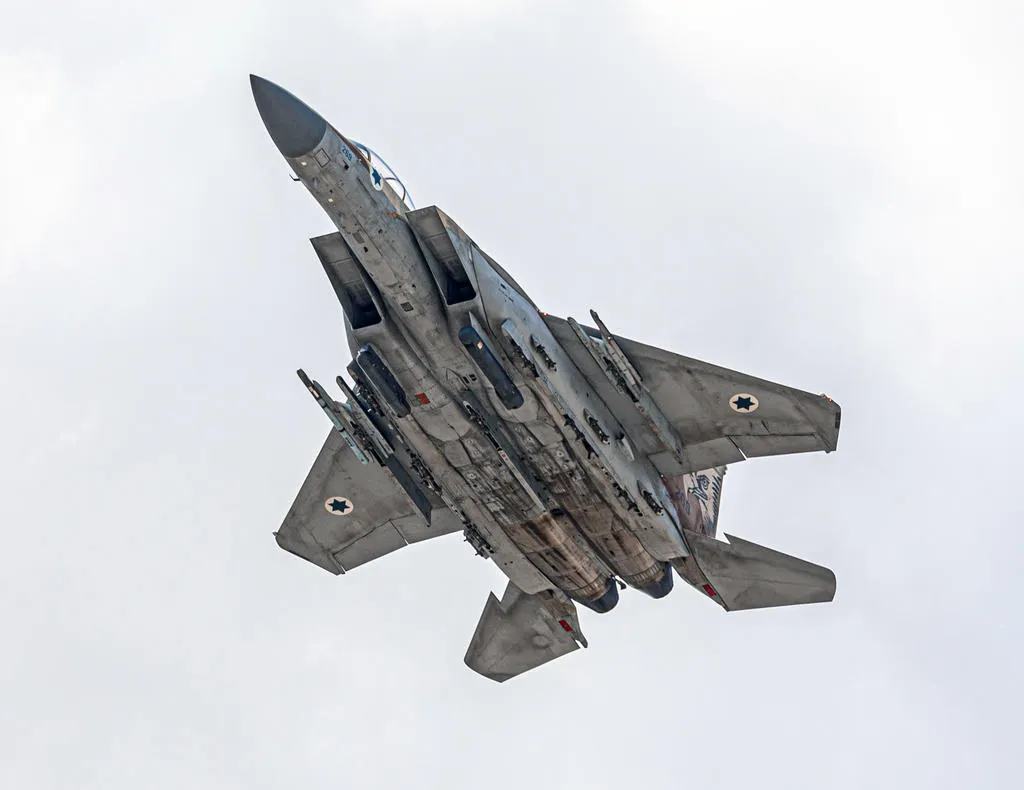
Israel Launches Airstrikes on Iran Following Missile Attack
Israel launched airstrikes against military targets in Iran after Tehran resumed missile fire, prompting new Home Front Command restrictions across Israel.

Israel launched airstrikes against military targets in Iran after Tehran resumed missile fire, prompting new Home Front Command restrictions across Israel.
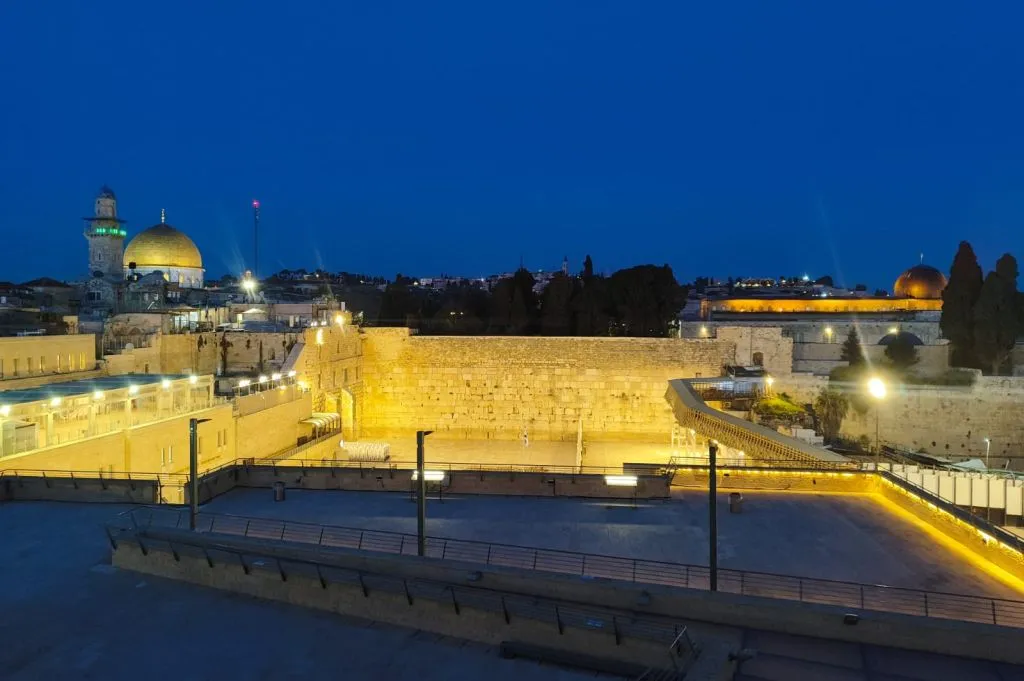
Israel eased public gathering restrictions nationwide, but Jerusalem's holy sites, including the Temple Mount, remain closed amid Iranian missile barrage.
Israel Police prepares for public gathering limits of 5,000 participants, starting tonight, and advises public adherence to guidelines.
The IDF's Home Front Command has enacted new security measures, permitting gatherings of up to 5,000 people across Israel due to Iranian attack threats.
Israel's Central Bureau of Statistics reports improved business net balances in May 2026 after the Iran conflict ceasefire lifted restrictions.
Israel's Ministry of Construction and Housing is implementing emergency protocols for public housing and senior care to ensure service continuity.
Following Home Front Command guidelines, Israeli hospitals are instructed to move operations underground and mobilize for emergency preparedness.
Due to renewed Iranian missile attacks, Israel's Ministry of Transportation is reducing bus services to 75% starting June 8, 2026.
Israel's Home Front Command has given the all clear, permitting citizens to leave their shelters in Jerusalem and across the country.
Basketball game at Tel Aviv's Menora Mivtachim Arena halted by Home Front Command directive; police ensure safe public exit.
Israel's Education Minister Yoav Kish announced the postponement of matriculation exams in northern areas under Hezbollah threat, opting for internal grades for.
Israel's economy saw April improvements in construction, retail, and services sectors following the ceasefire with Iran, though hotel industry and future.