
By Pesach Benson • June 14, 2026
Jerusalem, 14 June, 2026 (TPS-IL) — Intestinal stem cells can directly detect bacterial infection and respond by rapidly changing their behavior, a finding that may open new paths for understanding how the gut fights infection and maintains tissue integrity, Israeli scientists have discovered.
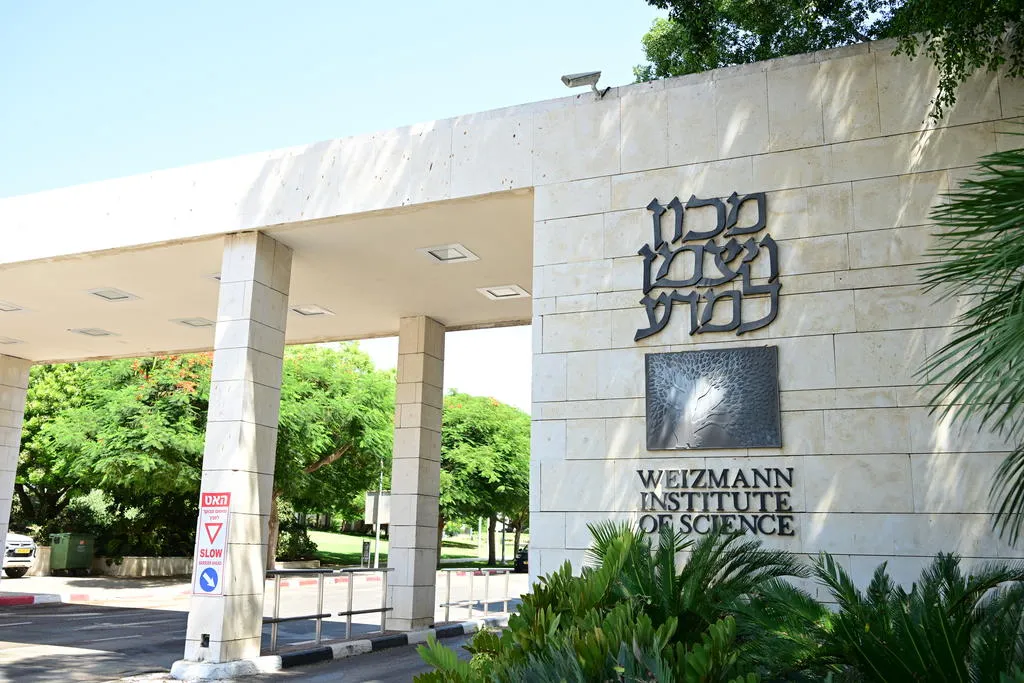
A recent study by researchers at the Weizmann Institute of Science and the Hebrew University of Jerusalem challenges the traditional view of stem cells as passive “builders” that only maintain tissue under normal conditions. Instead, the findings suggest they can actively participate in immune defense when the intestine is infected.
The small intestine is one of the body’s fastest-renewing tissues, with its lining replaced approximately every five days. Under normal conditions, intestinal stem cells continuously divide to maintain this barrier, producing specialized epithelial cells that absorb nutrients, produce mucus, and protect against harmful microbes.
Until now, these stem cells were thought to balance self-renewal with gradual differentiation only as part of routine tissue maintenance.
‘An Active Protective Program’
The researchers, led by Dr. Sacha Lavon from the laboratory of Dr. Moshe Biton at the Weizmann Institute in collaboration with Dr. Matan Khofri from the Hebrew University of Jerusalem, studied intestinal infection in mice exposed to Salmonella.
Within 24 hours, the bacteria were found to have invaded a significant proportion of intestinal stem cells. Instead of leading to tissue failure, the infection triggered a rapid increase in cell turnover.
Single-cell genomic analysis showed that infected stem cells were significantly more likely to leave their stem-like state and differentiate into mature epithelial cells. These cells have a shorter lifespan but are better equipped to help defend against bacterial infection.
According to the researchers, this process removes infected stem cells from the self-renewing pool while simultaneously increasing the number of cells capable of producing antibacterial substances.
“This is not just a response to damage, but an active protective program triggered by infection itself,” the scientists said.
Biton explained that the process forces infected stem cells to mature prematurely, preventing them from continuing to divide.
“We discovered that stem cells in the intestine accelerate their maturation when a bacterium invades them,” he said. “Since these stem cells divide every day as part of normal tissue renewal, this mechanism ensures that infected cells do not continue to reproduce. In effect, the infected stem cell sacrifices its ability to self-renew in order to prevent prolonged infection and allow healthy cells to restore the tissue.”
He added that the response also strengthens local defense. “Another advantage is that the stem cells differentiate into epithelial cells that can produce antibacterial substances, increasing their presence in the tissue.”
The researchers identified inflammasomes — protein complexes inside cells that detect infection — as the key trigger for this response. These structures act like internal alarm systems that sense bacterial invasion.
Once activated, inflammasomes directly push stem cells to mature prematurely. Importantly, this response still occurred in mice lacking a functioning immune system, suggesting that the mechanism is intrinsic to the stem cells themselves and does not rely on external immune signaling.
The same response was also observed in laboratory-grown human intestinal organoids — miniature, lab-grown models of the human intestine exposed to Salmonella.
In collaboration with researchers at Sheba Medical Center in Ramat Gan, the team also identified a possible link between this pathway and bacterial infections associated with Crohn’s disease, a chronic inflammatory bowel condition.
Potential New Therapies
The findings may help explain how the intestine maintains its integrity during infection and could have implications for inflammatory bowel diseases such as Crohn’s disease.
The study suggests that if this stem cell response becomes overactive, it may contribute to chronic inflammation by driving excessive stem cell maturation and disrupting normal tissue balance. Understanding this mechanism could lead to future therapies aimed at fine-tuning the response.
A second potential application involves improving the body’s ability to fight intestinal infections. By enhancing this natural mechanism, it may be possible to strengthen bacterial clearance, particularly in patients with weakened immune systems.
The researchers also suggest the mechanism may have broader implications for cancer prevention in rapidly renewing tissues such as the intestine. Because infected or damaged stem cells are forced to stop self-renewing and instead mature into short-lived cells, the process may help prevent abnormal or uncontrolled cell growth. If similar mechanisms respond to other types of Cellular stress, such as DNA damage, they could serve as an internal safeguard against tumor formation.
Further research is needed to determine whether and how this pathway could be harnessed for therapeutic purposes.
The study was published in the peer-reviewed Nature Immunology.