338 Polling Stations Open for Netanya's Snap Mayoral Vote
Voting in the coastal city ran from 7am to 10pm, with accessible stations using double envelopes, and the Interior Ministry stressed that polling day was not a holiday.
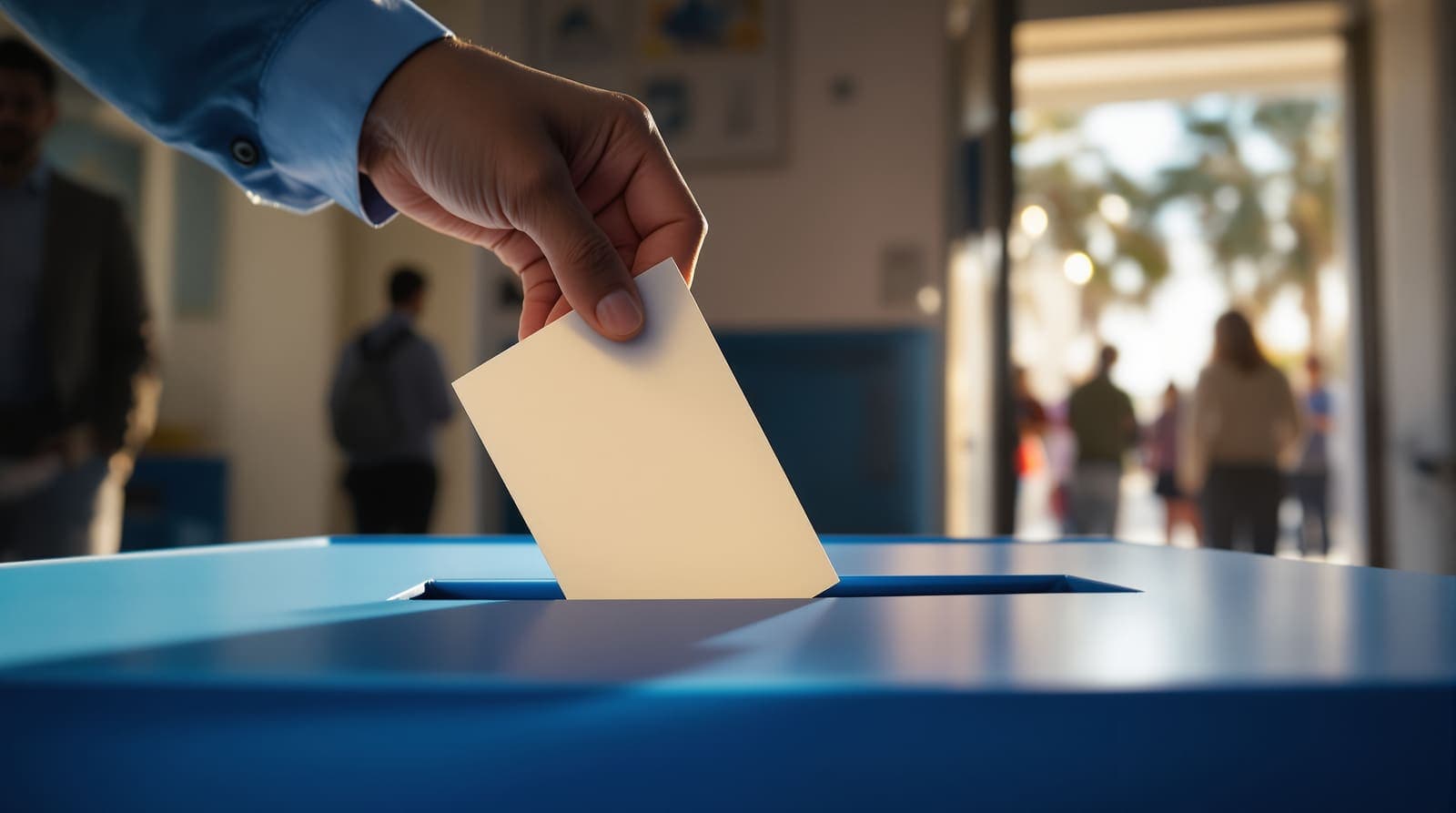
Illustration
Voting in Netanya's special election for mayor took place at 338 polling stations, which opened at 07:00 and were due to close at 22:00, according to the Israeli Ministry of the Interior notice issued on the morning of 20 January 2026. The stations included specially accessible ones, where ballots are cast using a double envelope.
The ministry's notice carried a heading for the names of the candidates in alphabetical order, but printed none. It also carried a pointed reminder: under the law, it said, election day was not a public holiday, and the ministry had made arrangements to minimise disruption to normal routine while holding the vote. Information on the election and polling station locations, it added, was on the Local Authorities Elections Portal.
Why the city was voting out of cycle
Netanya is a Mediterranean coastal city roughly 30 kilometres north of Tel Aviv, and one of the larger municipalities in central Israel. It was voting outside the normal four-year local election cycle because its mayor of 27 years, Miriam Feirberg-Ikar, died in November 2025 after a long illness. The Times of Israel reported that she had led the city since 1998 and that about 218,000 residents were eligible to vote in the election to replace her. Ynetnews put the register at 218,013 and reported that four candidates were standing.
The double envelope, and why it exists
The double-envelope method the notice refers to is Israel's standard device for a ballot that has to be verified before it is counted: the voter seals the ballot in one envelope and that envelope goes inside a second, identifying one, so that eligibility can be checked before the inner envelope joins the count. At an accessible station it allows someone to vote outside their assigned polling place without breaking the secrecy of the ballot.
The rules that decide an Israeli mayoral race
Local elections in Israel are administered through the Interior Ministry rather than the body that runs national elections. A mayoral candidate must win at least 40 per cent of valid votes to take the office outright; if no one does, the two leading candidates return for a run-off a fortnight later, according to the Israel Democracy Institute. The institute also notes that for scheduled nationwide local elections polling day is treated as an official day off work, a status the ministry's notice was at pains to say did not apply here.
How it ended
No run-off proved necessary. The Likud candidate Avi Slama, 43, an economist who had served on the city council since 2018 and led the opposition to Feirberg-Ikar, won with 68 per cent against 27.49 per cent for the acting mayor, Tali Mulner, The Times of Israel reported. Prime Minister Benjamin Netanyahu had endorsed him and campaigned in the city on polling day.
What the notice left out
The ministry's item did not, in the end, list the candidates it announced it would list. It gave no turnout expectation, no figure for how many of the 338 stations were the accessible kind, and no explanation of what adjustments had been made to keep the working day running.
Sources and further reading
Every link below was opened and checked when this page was written. Official statements are marked as such: they are the subject's own account, not an independent one.
- ReportingThe Times of Israeltimesofisrael.comLikud candidate wins special mayoral vote in Netanya after longtime mayor's death
The reason for the special election, the size of the electorate and the result
- ReportingYnetnewsynetnews.comPolls open for special election for mayor of Netanya
Registered voters and the number of candidates on the ballot
- ReferenceIsrael Democracy Instituteen.idi.org.ilYour Questions Answered About Israel's Wartime Local Elections
Interior Ministry's role, the 40 per cent threshold and holiday status of polling day
How we checked this
The number of polling stations, voting hours, the double-envelope arrangement and the holiday warning are as stated in the Interior Ministry notice of 20 January 2026; the background to the election, the electorate and the result were checked against Times of Israel and Ynetnews reporting and the rules against the Israel Democracy Institute.
Our sourcing and corrections policy →The week from Israel, in one email
The stories that mattered, sourced and checked by the Israel.com newsroom. Free, weekly, one-click unsubscribe.
One list, unsubscribe in a click. See our privacy policy.
More in Religion
All religion →
Latest
- IDF says Khan Younis strike killed Nukhba operative tied to Steinberg's death
- Yair Golan sues Sara Netanyahu for millions over Channel 14 remarks
- Ariel man, 53, found alive after entering Palestinian village overnight
- Houthi forces reported streaming into Yemen's port city of Mocha
- Israel says three Hamas weapons depots destroyed in strikes across Gaza
- Advisers warned Trump the Iran war could outlast his presidency