An Implant Grown From a Patient's Own Blood and Fat Cells
Matricelf has preliminary Health Ministry clearance for compassionate-use implants of laboratory-grown spinal cord tissue, to be manufactured at Ichilov hospital in Tel Aviv.
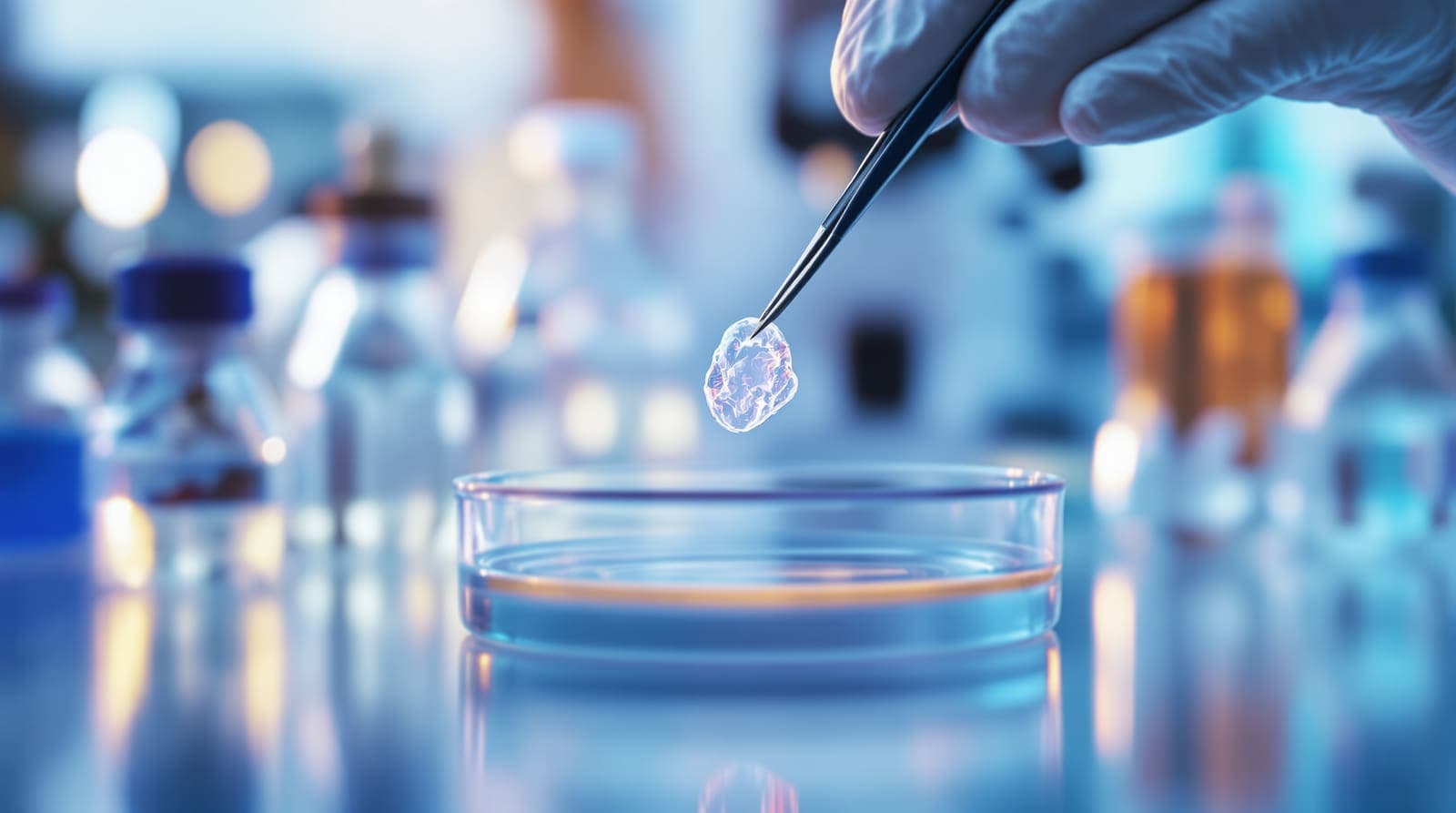
Illustration
Matricelf, a biotechnology company based in Tel Aviv, is preparing to launch what it describes as the world's first engineered nerve implant for paraplegic patients, following an agreement with Tel Aviv Sourasky Medical Center, the hospital known in Israel as Ichilov. The implant grows out of tissue engineering work by Professor Tal Dvir of Tel Aviv University and is intended to restore movement to people with spinal cord injuries.
Matricelf had recently received preliminary approval from Israel's Ministry of Health, according to the announcement of 12 November 2025 to begin compassionate use trials, the route by which patients with no remaining options may receive a treatment before it is licensed. Clinical manufacturing is to take place at Ichilov's Institute for Advanced Cellular Therapy, which is certified to Good Manufacturing Practice standards. Blood and fat samples from the first patient are expected within ten months, with implantation planned shortly afterwards.
How you grow a spinal cord in a laboratory
The process starts with the patient rather than a donor, which is the point of it: tissue built from a person's own cells should not be rejected. Blood cells are taken and genetically reprogrammed into stem cells resembling embryonic ones, while a sample of fatty tissue is broken down for its collagens and sugars, which are assembled into a hydrogel tailored to that patient. The reprogrammed cells are then placed in the gel, where conditions imitate the embryonic development of the spinal cord, according to an account published in August 2025 by American Friends of Tel Aviv University. Dvir, who heads TAU's Sagol Center for Regenerative Biotechnology and co-founded Matricelf, said animal trials had been strikingly successful, with paralysed rats regaining the ability to walk after implantation.
Why the hospital cleanroom matters
A therapy made individually for each patient cannot be produced in a conventional factory. Tel Aviv University said in November 2025 that the implants would be made in the GMP-certified cleanrooms of the Institute for Advanced Cellular Therapy at Sourasky, a controlled environment that allows sterile tissue to be built aseptically to the standard regulators require. Siting manufacturing inside the hospital that will perform the surgery shortens the distance a living implant has to travel.
What the company has said since
Matricelf's own news timeline dates its agreement with the Sourasky institute for clinical-grade manufacturing to 23 October 2025, and records earlier steps including a final preclinical safety study in animals begun in January 2025 and approval that April from the Helsinki ethics committee at Sheba Medical Center to collect blood samples from eight patients. The same timeline lists further milestones through 2026: a preclinical efficacy study in 96 animals with chronic spinal cord injury, the start of GMP engineering runs at Sheba's Advanced Biotherapy Center in June 2026, and approval in July 2026 to collect blood samples from patients at Loewenstein Medical Center.
What is still unclear
The November announcement did not say how many patients the compassionate use approval covers, what conditions the Health Ministry attached to it, or what outcome would count as success. It also did not give a cost per implant or say who would pay for it, and preliminary approval is not the same as a licence to market the treatment.
Sources and further reading
Every link below was opened and checked when this page was written. Official statements are marked as such: they are the subject's own account, not an independent one.
- OfficialTel Aviv Universityenglish.tau.ac.ilTAU Technology Moves Closer to First Human Implant for Spinal Cord Injury
GMP manufacturing at the Sourasky Institute for Advanced Cellular Therapy
- OfficialMatricelfmatricelf.comNews & Events
Company timeline of regulatory and manufacturing milestones
- ReportingAmerican Friends of Tel Aviv Universityaftau.orgSurgeons to implant spinal cord bioengineered at TAU
How the implant is grown from a patient's blood and fat, and the animal results
How we checked this
The approval, the Ichilov agreement and the ten-month sample timeline are reported as announced on 12 November 2025. The description of how the implant is grown, the animal results and the later company milestones were taken from Tel Aviv University, American Friends of Tel Aviv University and Matricelf's own published timeline, each read directly; no clinical outcome is claimed here.
The account of the incident itself rests on the official statement and has not been independently confirmed by Israel.com. Where the statement is silent, this page says so rather than filling the gap.
Our sourcing and corrections policy →The week from Israel, in one email
The stories that mattered, sourced and checked by the Israel.com newsroom. Free, weekly, one-click unsubscribe.
One list, unsubscribe in a click. See our privacy policy.
More in Health
All health →


Latest
- IDF says Khan Younis strike killed Nukhba operative tied to Steinberg's death
- Yair Golan sues Sara Netanyahu for millions over Channel 14 remarks
- Ariel man, 53, found alive after entering Palestinian village overnight
- Houthi forces reported streaming into Yemen's port city of Mocha
- Israel says three Hamas weapons depots destroyed in strikes across Gaza
- Advisers warned Trump the Iran war could outlast his presidency