Five New Negev Towns, and One Named for Hostage Ran Gvili
Israel's cabinet approved five communities east of Beersheba, with Netanyahu proposing that one be called Renanim after the last hostage recovered from Gaza.

Illustration
The Israeli government announced plans on Sunday for five new communities in the Negev, the arid southern region that makes up more than half of the country's land area. Prime Minister Benjamin Netanyahu proposed that one of them be named "Renanim" in memory of Ran Gvili, the last Israeli hostage held in Gaza, whom he called a hero of Israel.
"During my visit to the Negev about two weeks ago, I declared: We will advance the Negev along several paths, one of which is Jewish settlement, and this Government is doing much in this regard," Netanyahu said. He described the announcement as "a monumental settlement announcement: Five community settlements in the eastern area of the Be'er Sheva metropolitan area."
Where the five towns are meant to go
The plan places the communities east of Beersheba, the Negev's largest city, along the Highway 25 and Highway 80 corridor. JNS reported on 26 January 2026 that the initiative was driven by Construction and Housing Minister Haim Katz and Settlement Minister Orit Strook, and that the government framed it around five aims: strengthening the Negev as a strategic region, expanding housing supply, dispersing population away from the crowded centre, deepening civilian and security presence, and creating what it called a settlement continuum between Beersheba and Dimona.
Strook described the decision as part of a "settlement revolution" intended to address what she characterised as lawlessness in the south resulting from years of insufficient development. That framing places the plan inside a long-running and contested Israeli policy debate over land, planning and Bedouin communities in the northern Negev, a debate the government's announcement did not address.
The name, and the man behind it
"I have decided that one of the communities in the Negev will be called 'Renanim' ('rejoicing') in memory of an Israeli hero, the last hostage, the late Ran Gvili," Netanyahu said, as reported by the Times of Israel on 25 January 2026, which noted that at the time of publication the prime minister's office had not yet formally confirmed the decision and that a 2022 government plan had also envisaged five new Negev communities, leaving it unclear whether this was that plan or a new one.
Gvili was a 24-year-old police officer in the Yasam special patrol unit, killed on 7 October 2023 while fighting Hamas gunmen in southern Israel. His body was held in Gaza for 843 days. The Times of Israel reported on 26 January 2026 that his remains were recovered from a cemetery in Gaza City, that his return meant no Israeli hostages, living or dead, remained in Gaza for the first time since 2014, and that his funeral was held in his home town of Meitar, itself in the northern Negev, not far from where the new communities are planned.
Why the Negev keeps returning to the cabinet agenda
Population dispersal to the south has been a stated goal of Israeli governments since the state's founding, and successive plans to build new Negev communities have been announced, delayed and re-announced. The distance between a cabinet decision and an inhabited town is measured in years: land allocation, planning approvals, infrastructure and budget all follow the announcement rather than accompany it. Neither the government statement nor the reporting around it gave a construction timetable, a budget or a target population for any of the five.
What is still unclear
The announcement did not name the other four communities, give their exact sites, set a date for the first residents, or state the cost. It did not say whether Renanim's naming had been discussed with the Gvili family. It also did not address how the plan relates to existing communities and land claims in the area east of Beersheba.
Sources and further reading
Every link below was opened and checked when this page was written. Official statements are marked as such: they are the subject's own account, not an independent one.
- ReportingJNSjns.orgIsrael greenlights five new towns east of Beersheva
Location of the towns, ministers involved and the government's stated objectives, 26 January 2026
- ReportingTimes of Israeltimesofisrael.comIsrael to found 5 new towns in Negev, including one named for final slain hostage Ran Gvili
Netanyahu's naming announcement and the open question of how it relates to a 2022 plan
- ReportingTimes of Israeltimesofisrael.comAll of them are home now: Body of last hostage Ran Gvili found in Gaza
Who Ran Gvili was, how long his body was held and where he was buried
How we checked this
The cabinet decision and Netanyahu's quotations are taken from the government announcement carried in the original release of 25 January 2026, and were checked against JNS and Times of Israel reporting from the same weekend. Ran Gvili's biography and the circumstances of his recovery come from Times of Israel reporting of 26 January 2026.
Our sourcing and corrections policy →The week from Israel, in one email
The stories that mattered, sourced and checked by the Israel.com newsroom. Free, weekly, one-click unsubscribe.
One list, unsubscribe in a click. See our privacy policy.
More in Security
All security →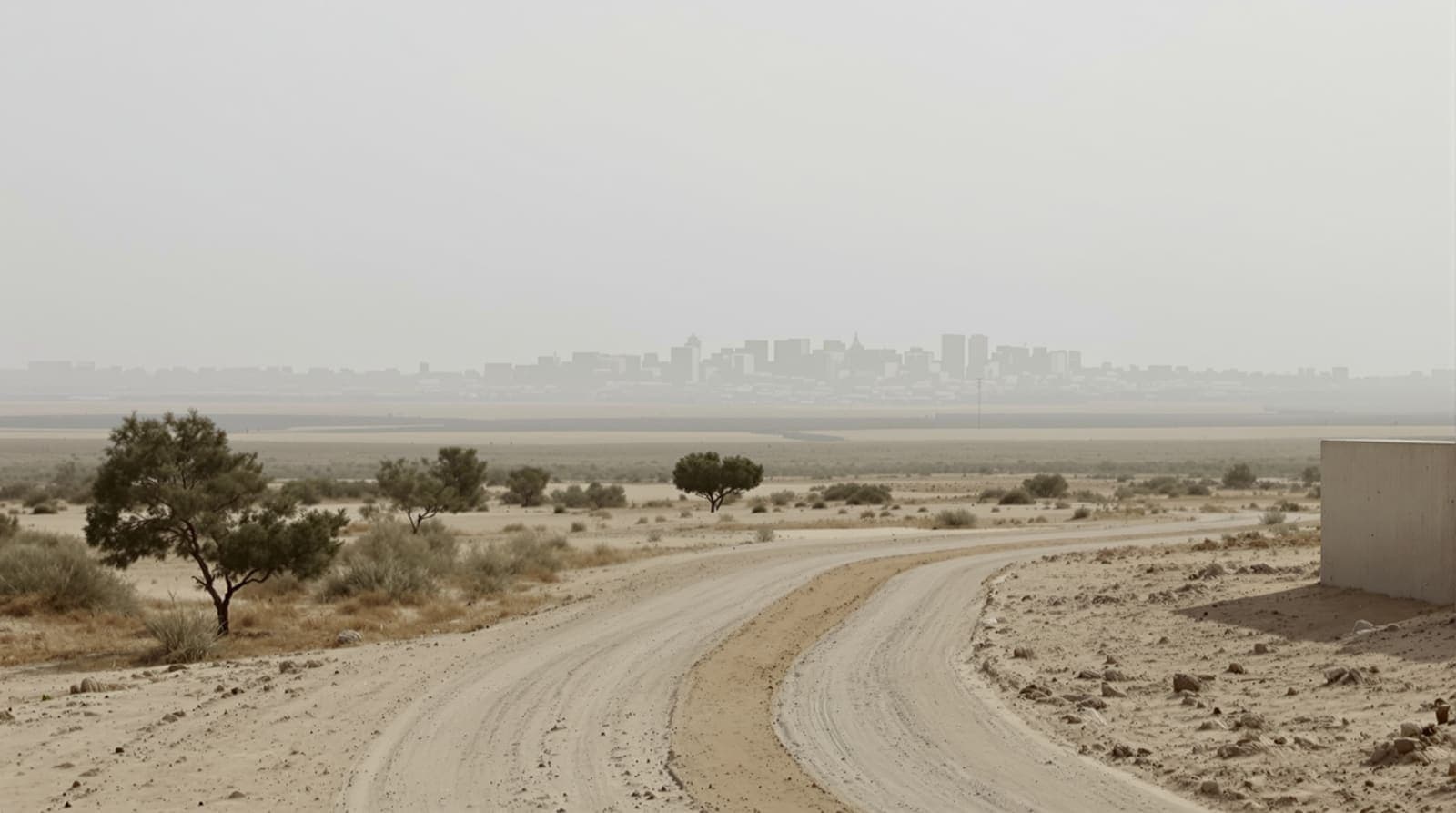
Latest
- Houthi forces reported streaming into Yemen's port city of Mocha
- Israel says three Hamas weapons depots destroyed in strikes across Gaza
- Advisers warned Trump the Iran war could outlast his presidency
- Iranian agency reports explosions near Jask and the port of Sirik
- Drone sirens sound in Galilee Panhandle, then declared a false identification
- Netanyahu visits Mount Hermon inside Syria; Damascus calls it illegal