Avocado Grower Ofer Moskowitz Killed by Rocket at Misgav Am
No sirens sounded before the rocket struck his car at the Upper Galilee kibbutz where he had lived since 1983 and managed the avocado crop.

Illustration
The man killed in a strike at Misgav Am, a kibbutz in Israel's Upper Galilee, on Sunday morning was named as Ofer Moskowitz, known across the region as “Pushko”. He was 60, a member of the kibbutz and the manager of its avocado crops, and he was killed when a rocket fired from Lebanon hit his vehicle and set it alight, according to the Tazpit Press Service report.
Paramedics from Magen David Adom, Israel's national emergency medical service, were called after a report of two vehicles on fire. No early-warning sirens had sounded in the area. “We arrived and saw two vehicles burning,” the paramedics Taysir Subah and Safa Abu Rafe said. “During the firefighting operations, we identified a man in the driver's seat. He showed no signs of life, and we were forced to declare him dead.” The Israel Defense Forces said they had begun investigating the incident. Hezbollah claimed responsibility, describing the attack as a defence of Lebanon and its people.
A kibbutz with the border on three sides
Misgav Am was founded on 2 November 1945 by young members of the Palmach, the pre-state strike force, and sits in the Upper Galilee immediately beside Kiryat Shmona, facing the Lebanese town of Odaisseh. Its population was recorded at 401 in 2024, according to a reference profile of the kibbutz, which also records the 1980 hostage attack in which gunmen from the Arab Liberation Front broke into the community's nursery, and the community's repeated evacuations under cross-border fire since October 2023. Moskowitz grew up in Kiryat Bialik and joined Misgav Am in 1983; he served on the kibbutz emergency team and, the community's statement said, had for years been “the prominent voice of all of us”. He is survived by three daughters and two grandchildren, one born the week before his death.
Farming a front line
Moskowitz's job, managing avocado orchards within sight of Lebanon, was itself the subject he spoke about publicly, arguing that farming had to continue under fire and describing the hazards of working near the security fence. The economics behind that argument are stark. About 60,000 people were evacuated from 32 northern communities after Hezbollah began firing in October 2023, government housing support ended in July 2025, and returns were partial, with 41% of buildings in neighbouring Kiryat Shmona damaged, the Times of Israel reported. Fields and orchards do not evacuate; someone has to drive out to them.
By March 2026 the north was under fire again. Cross-border attacks resumed on 2 March, according to a timeline of the 2026 Lebanon war, and the Associated Press reported from Kiryat Shmona in the same month that residents who had recently returned were living under round-the-clock sirens.
The systems that are meant to warn, and the ones that respond
Israel's civil alert network is run by the IDF Home Front Command, a regional command created in February 1992 after the Gulf War, which drafts civil defence regulations, runs the public alerting system and since 2021 has operated a smartphone application delivering localised warnings, according to a reference account of the command. Magen David Adom, the service whose crews reached the burning cars, was founded by volunteers in 1930, given statutory standing by the Knesset in 1950 and recognised by the International Committee of the Red Cross as Israel's national aid society in June 2006; it runs a fleet of more than 2,000 ambulances from around 189 stations, per a reference profile.
What is still unclear
The report says no sirens sounded but does not explain why, and the IDF's investigation had only just begun. It gives no location within the kibbutz, does not say who was in the second vehicle or whether anyone else was hurt, and gives no detail on the weapon beyond calling it a rocket. The stated toll of 16 dead from Iranian and Hezbollah fire is not broken down, and the reference to four women killed by a cluster bomb in the Hebron area is given without further detail.
Sources and further reading
Every link below was opened and checked when this page was written. Official statements are marked as such: they are the subject's own account, not an independent one.
- ReportingTimes of Israeltimesofisrael.comWith end to housing subsidies, evacuated northern residents return home, still unsettled
Evacuation figures and damage across northern communities
- ReportingAssociated Pressnaharnet.comIsraelis had just returned to Kiryat Shmona, now rockets are flying again
Conditions in the neighbouring city in March 2026
- ReferenceWikipediaen.wikipedia.orgMisgav Am
The kibbutz's founding, location, population and history of attacks
- ReferenceWikipediaen.wikipedia.orgHome Front Command
Israel's civil defence command and its public alerting role
- ReferenceWikipediaen.wikipedia.orgMagen David Adom
Status, history and scale of Israel's national emergency medical service
- ReferenceWikipediaen.wikipedia.orgTimeline of the 2026 Lebanon war
Resumption of cross-border attacks in March 2026
How we checked this
The circumstances of Moskowitz's death, the paramedics' account, the community statement and the casualty toll are reported solely from the Tazpit Press Service report of 22 March 2026, and the IDF said its own investigation had begun. Background on Misgav Am, the northern evacuation, Magen David Adom and the Home Front Command was researched separately and is cited in the text.
Our sourcing and corrections policy →The week from Israel, in one email
The stories that mattered, sourced and checked by the Israel.com newsroom. Free, weekly, one-click unsubscribe.
One list, unsubscribe in a click. See our privacy policy.
More in Security
All security →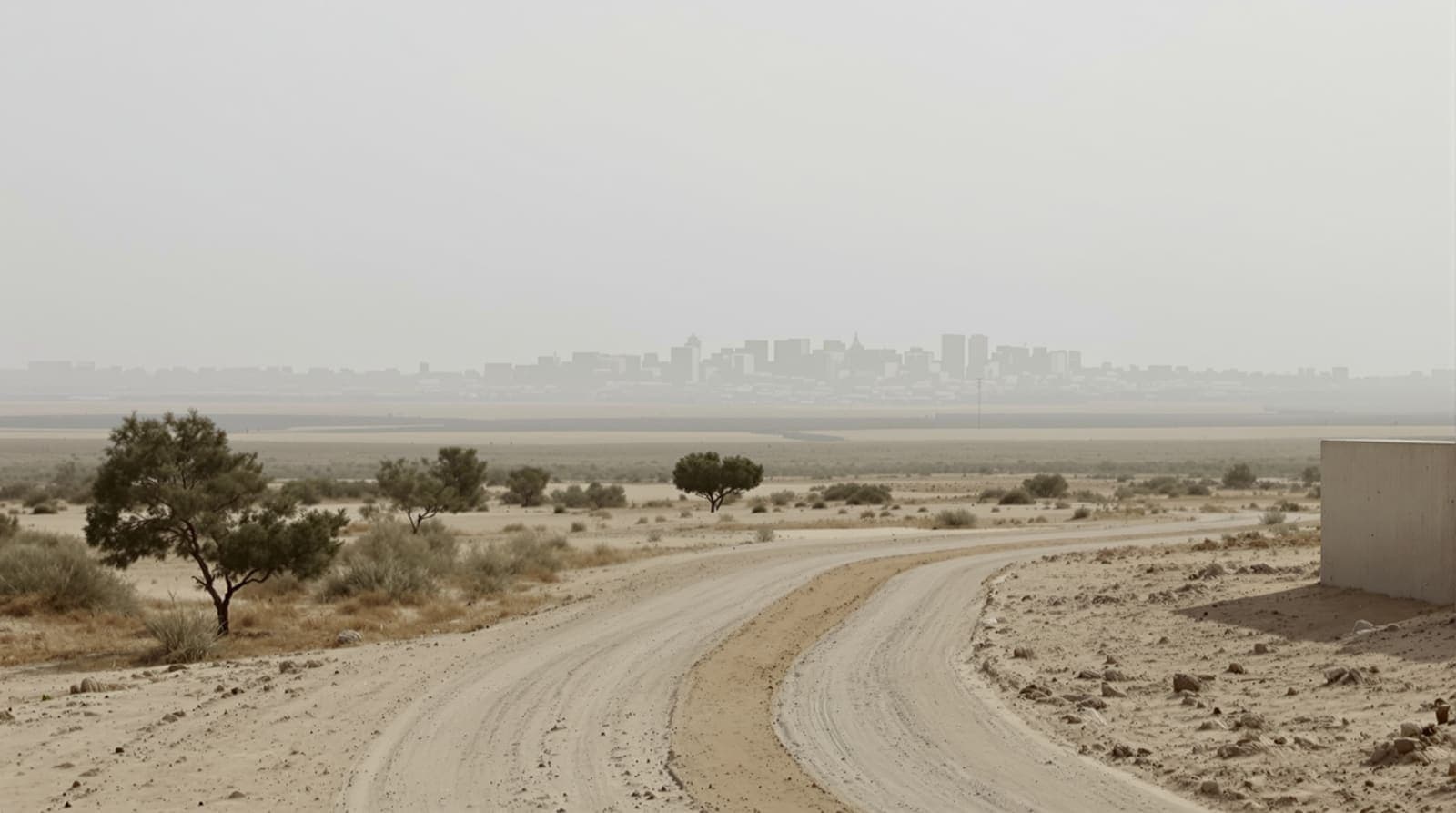


Latest
- Houthi forces reported streaming into Yemen's port city of Mocha
- Israel says three Hamas weapons depots destroyed in strikes across Gaza
- Advisers warned Trump the Iran war could outlast his presidency
- Iranian agency reports explosions near Jask and the port of Sirik
- Drone sirens sound in Galilee Panhandle, then declared a false identification
- Netanyahu visits Mount Hermon inside Syria; Damascus calls it illegal