Golani reconnaissance troops named in Beaufort area firefight, IDF says
The military says soldiers scanning near Beaufort Castle returned fire and shelled the building where a Hezbollah gunman was hiding, killing him.
Illustration
One update since publication
- IDF identifies the troops as Golani Reconnaissance and says artillery fire on the building killed the gunman.
This story was added to as it developed. Earlier text is kept below the updates rather than rewritten, so what this page said at each point is still on it.
Update, 7 September, 17:08 Israel time
The Israeli troops involved were from the Golani Brigade's Reconnaissance Unit and were conducting scans in the Beaufort area when the gunman opened fire from inside a building, The Times of Israel reported, citing the military. The same account places the encounter near Beaufort Castle rather than only within the wider sector.
The Israeli outlet News.co.il, relaying the IDF statement, said that after the initial exchange of fire the force directed shell fire at the position where the gunman was sheltering, and that he was killed there. The Times of Israel likewise describes artillery shelling toward the building alongside the return of small-arms fire, a detail not in the military's earlier English posting. Both accounts frame the subsequent strikes on weapons depots and command centres as a response to the shooting.
What the sources posted

🔴ELIMINATED: A terrorist in a close-quarters encounter in the Beaufort area who opened fire and injured 2 troops. Additionally, the IDF struck Hezbollah weapons storage facilities, command centers, and additional terrorist infrastructure in the area. Show more
The IDF also said the families of the wounded soldiers had been notified, a point carried by The Jerusalem Post as well as by the military itself, where the article had attributed it to N12.
The Hebrew-language monitoring channel Abu Ali Express wrote that the encounter follows drone launches by Hezbollah on recent nights, and said the group has not claimed responsibility for attacks on Israeli forces in southern Lebanon. That characterisation is the channel's own and is not part of the military's statement.
The story as first reported
Israeli soldiers shot and killed a Hezbollah gunman during a close-quarters exchange of fire in the Beaufort area of southern Lebanon on Monday, according to a statement from the Israel Defense Forces spokesperson. The military said the man was inside a building and opened fire on troops who were carrying out patrols in the area, and that the soldiers returned fire and killed him.
Two Israeli soldiers were lightly wounded in the encounter and were taken for medical treatment, the military said. The Israeli broadcaster N12 reported that the wounded soldiers were evacuated to a hospital and that their families had been informed. In a separate English-language statement, the IDF said it had also struck Hezbollah weapons storage facilities, command centres and further what it described as terrorist infrastructure in the same area.
What the military said happened
The sequence given by the IDF is short and consistent across its Hebrew and English channels: a routine patrol, fire from a gunman positioned inside a structure, an immediate return of fire, and the death of the gunman. The Israeli commentator Amit Segal and the Ynet news alert service both relayed the same core account, that two soldiers were lightly hurt by fire from a Hezbollah operative inside the building and that he was killed.
The IDF's posting on X added the element about air or artillery action, saying that weapons stores, command centres and other Hezbollah infrastructure in the area were struck. N12 carried the same detail. Neither the military nor the Israeli outlets said how many strikes were carried out, what platforms were used, or whether anyone was hurt in them.
Where the Beaufort area is
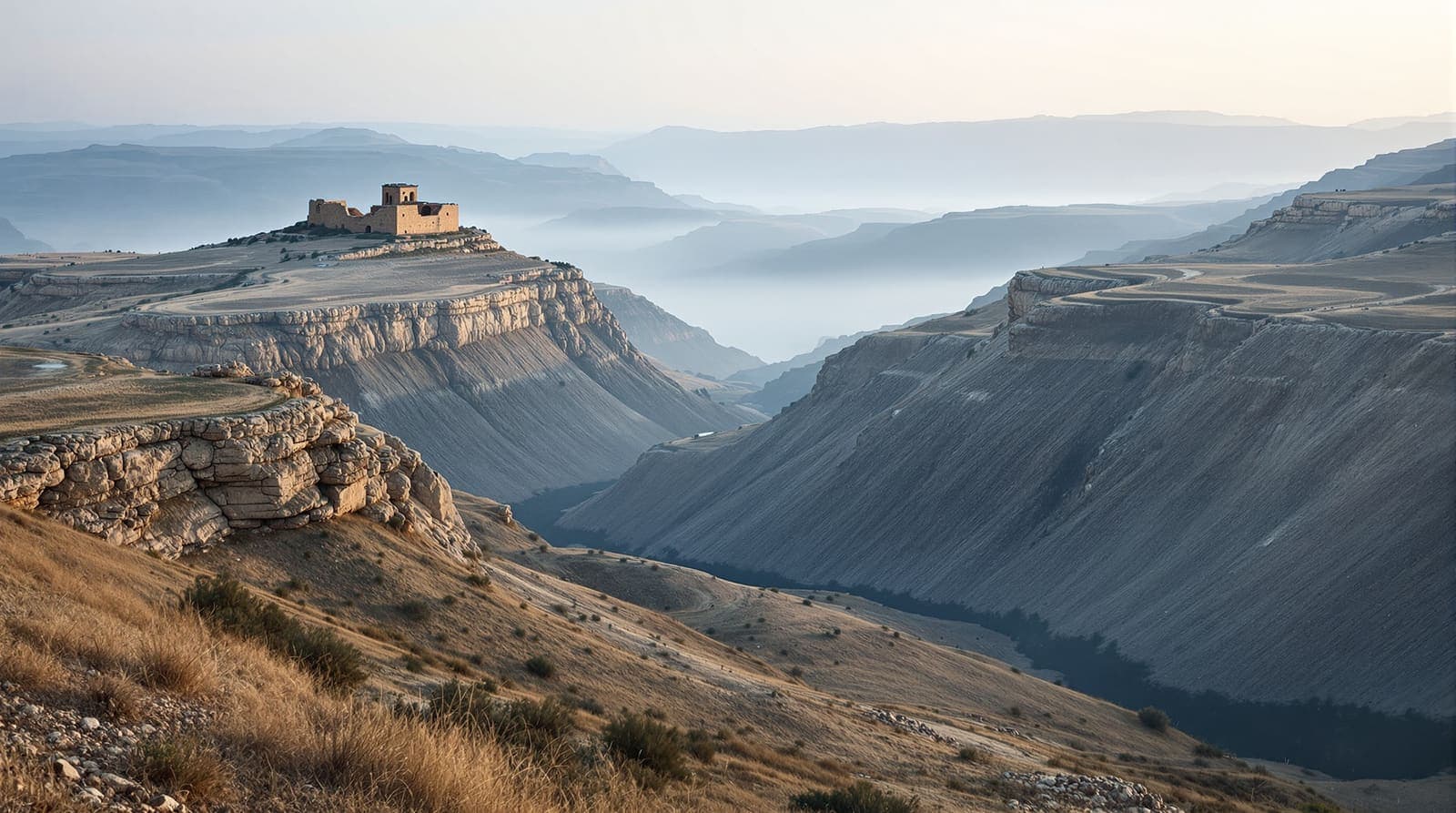
Beaufort is the name attached to a hilltop fortress site in southern Lebanon, dating from the crusader period, and it is used in Israeli military reporting as shorthand for the surrounding sector rather than for a single village. The reports place the encounter in that sector, inside Lebanon, without giving a more precise location. Israeli military terminology for such a zone is a "merhav", an area or space, which is why the Hebrew statements refer to the Beaufort area rather than a named settlement.
Who the parties are
The Israel Defense Forces, or IDF, is Israel's military; its spokesperson unit issues the official operational statements that Israeli media then report, and it publishes in both Hebrew and English on its own channels. Hezbollah is a Lebanese Shia armed movement and political party that also holds seats in Lebanon's parliament, and Israel, the United States and a number of other governments designate it a terrorist organisation. The IDF's phrasing, calling the man killed a "terrorist", reflects that designation and is the military's own characterisation.
The Israeli military uses the verb "eliminated", a direct rendering of the Hebrew chusal, in place of "killed" in its English statements. Readers encountering the term for the first time should understand it as the military's standard formulation for an enemy fighter killed in an operation, not as a description of a specific method.
How this fits the pattern in southern Lebanon
Israeli forces have continued to operate and to strike inside southern Lebanon since the fighting with Hezbollah that followed the war in Gaza, and the IDF regularly announces strikes on what it identifies as Hezbollah weapons depots, command posts and infrastructure. Encounters in which Israeli troops on the ground come under fire are announced less often than air strikes, which is part of why this incident was carried by several Israeli outlets within minutes of the military's statement. The description of the wounds as light is the standard Israeli medical classification used in official casualty reporting, alongside moderate, serious and critical.
Where the accounts converge and where they stop
All four organisations in the material agree on the essentials: the location, the presence of a gunman inside a building, the return of fire, the killing of the gunman and the two lightly wounded soldiers. There is no disagreement between them on the facts. The added detail about hospital evacuation and family notification comes from N12; the detail about the strikes on Hezbollah sites appears in the IDF's English statement and in N12's reporting.
What the reports do not say
The material does not identify the man killed, his role in Hezbollah, or the basis on which the military identified him as a Hezbollah operative. It does not name the units involved, does not identify the wounded soldiers or the hospital, and does not give a time of day for the encounter beyond "earlier today". It does not say whether other gunmen were present or whether Israeli forces remained in the area afterwards.
Nothing in the material carries a Lebanese account of the incident, and there is no response in it from Hezbollah, from the Lebanese authorities or from the United Nations peacekeeping mission in southern Lebanon. The strikes on weapons stores and command centres are described only in general terms, with no locations, no timing relative to the firefight and no damage assessment. Israel.com has not independently verified the events described.
Sources and further reading
Every link below was opened and checked when this page was written. Official statements are marked as such: they are the subject's own account, not an independent one.
- Officialidft.meIDF spokesperson
- Officialidfx.comIDF on X
- Reportingyediotht.meYnet alerts
- Reportingamitsegalt.meAmit Segal
- Reportingkeshett.meN12
- Reportingkeshett.meN12
- Reportingtoitimesofisrael.comThe Times of Israel
- Reportingtoit.meEmanuel Fabian, Times of Israel military correspondent
- Reportingjpostjpost.comThe Jerusalem Post
- Reportingabualiexpresst.meAbu Ali Express
- Reportingnewssilt.meNews.co.il
How we checked this
The account of the unit, the shelling and the gunman's death rests on the IDF statement as relayed by Israeli outlets; the link to recent Hezbollah drone launches is Abu Ali Express's own characterisation. Israel.com has not independently verified the events.
Our sourcing and corrections policy →The week from Israel, in one email
The stories that mattered, sourced and checked by the Israel.com newsroom. Free, weekly, one-click unsubscribe.
One list, unsubscribe in a click. See our privacy policy.
More in Security
All security →

Latest
- Houthi forces reported streaming into Yemen's port city of Mocha
- Israel says three Hamas weapons depots destroyed in strikes across Gaza
- Advisers warned Trump the Iran war could outlast his presidency
- Iranian agency reports explosions near Jask and the port of Sirik
- Drone sirens sound in Galilee Panhandle, then declared a false identification
- Netanyahu visits Mount Hermon inside Syria; Damascus calls it illegal