27 Hurt or Shaken in a Day of Iranian Missile Alerts
Magen David Adom said it treated 27 people in 24 hours for injuries sustained reaching shelter or for anxiety, part of 1,145 treated since the Iran campaign began.
Illustration
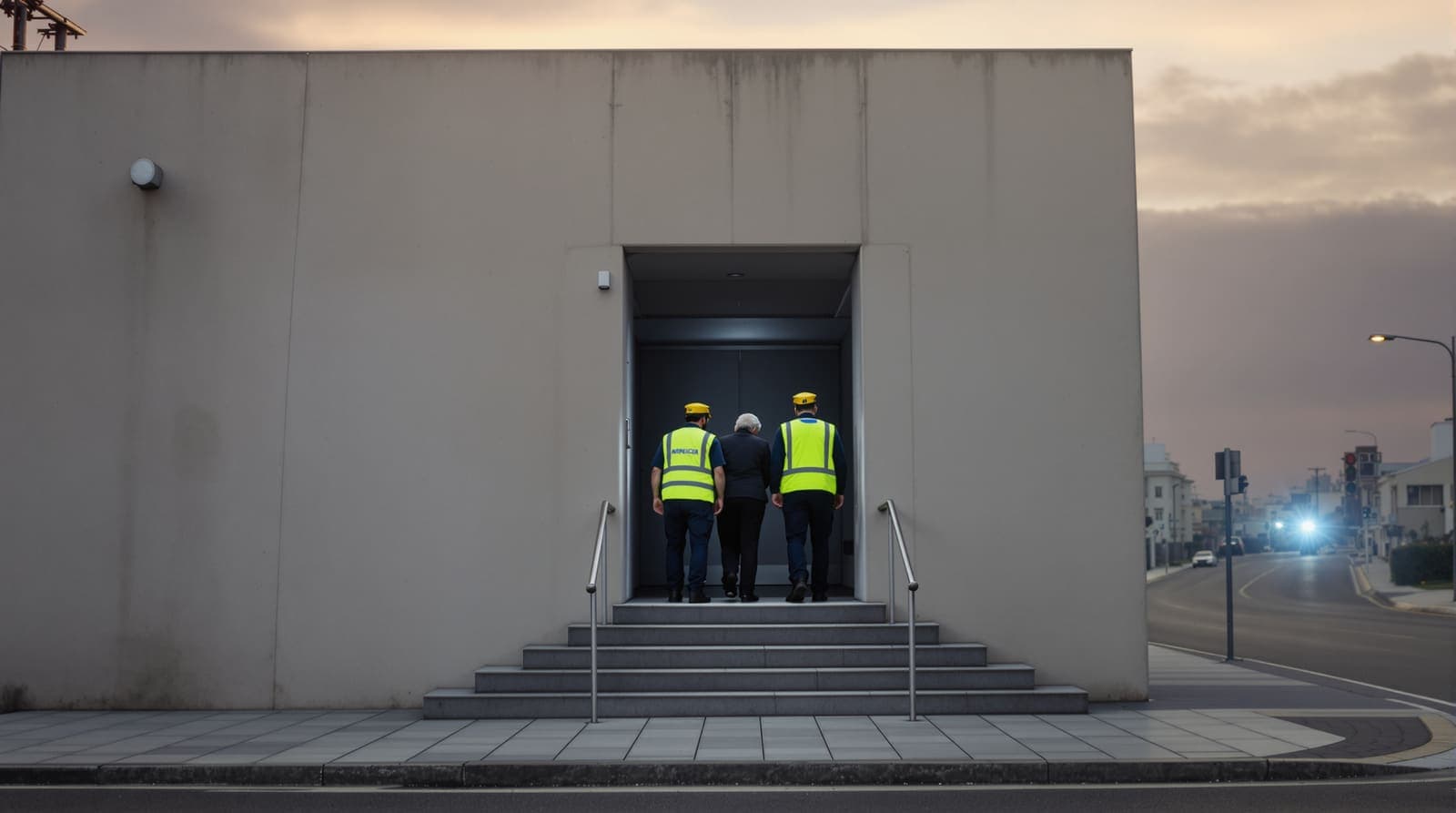
Magen David Adom, Israel's national ambulance and emergency medical service, said its crews treated 27 people across the country over a 24-hour period who were injured while making their way to a protected space when sirens sounded, or who were treated for anxiety. The count ran until 7pm on Monday.
In the same period, according to the Magen David Adom statement, teams also treated a 40-year-old man in a minor condition suffering from shock, six people lightly injured by smoke inhalation, and a man lightly injured by shrapnel who burned his hand. Among those hurt on the way to shelter that day was a 50-year-old man seriously injured when he was struck by a vehicle after getting off a bus during an alert.
The campaign Israelis call Roaring Lion
Operation Roaring Lion is the Israeli name for the campaign against Iran that opened on 28 February 2026, according to the encyclopaedic record of the war and to the dating used by the Israeli research centre Alma, whose survey of the campaign begins on that day. Writing on 3 March 2026, the Royal United Services Institute in London described the operation as pursuing two aims at once: degrading Iranian missiles, air defences, command centres and nuclear infrastructure, and applying political pressure on the cohesion of the Iranian government.
For civilians in Israel, the campaign has been experienced mainly as a rhythm of sirens. The Alma Research and Education Center, in an analysis published on 12 March 2026, counted 206 Iranian attack waves of ballistic missiles and drones between 28 February and 11 March. It recorded 44 waves on the first day and a peak of 55 on the second, before the rate settled at roughly seven to eleven a day. Of the 206 waves, it put 83 against the Tel Aviv metropolitan area, 47 against the north, 44 against the south and 32 against the Jerusalem area.
Why the dash to the shelter hurts more people than the missiles
The cumulative totals in the Magen David Adom statement make that point more sharply than any single day can. Since the operation began, the service said, its teams have treated 1,145 people: 980 with physical injuries and 165 for anxiety. Of the 980, 259 were injured by missile fire, among them 12 people who were killed: eleven pronounced dead at the scene and one who died of wounds in hospital. Of those hurt by missile fire, five were seriously injured, eleven moderately and 231 lightly.
The larger figure is the other one. Magen David Adom said 718 people have been injured on the way to protected areas, fourteen of them in road accidents after stopping at the roadside when an alert sounded. Three people have been killed making their way to shelter during attacks.
The service behind the numbers
Magen David Adom is not a government department. It is a non-governmental body given the status of Israel's national emergency medical service by the Knesset in a law passed in 1950, and it has been recognised by the International Committee of the Red Cross as Israel's national aid society since 2006, operating under the Red Crystal emblem abroad. It runs the country's 101 emergency line alongside a national blood service, and reports a network of well over a hundred stations, more than 2,000 ambulances and tens of thousands of volunteers, according to reference accounts of the organisation and its own English-language site, which dates the service's founding to June 1930 and places its national headquarters in Ramla.
That structure is why casualty tallies in Israel during a missile campaign usually arrive from Magen David Adom rather than from the police or the army: its crews are the ones dispatched to impact sites, to stairwells and to the roadsides where people stopped their cars.
What the statement did not say
Magen David Adom did not explain how its categories overlap: whether the 27 people treated in the reporting period are counted separately from the shock, smoke-inhalation and shrapnel patients listed alongside them, or included among them. It gave no locations for any of the incidents, and no condition update on the 50-year-old man hit by the vehicle. It also did not say how many of the 165 anxiety cases required transport to hospital.
Sources and further reading
Every link below was opened and checked when this page was written. Official statements are marked as such: they are the subject's own account, not an independent one.
- OfficialMagen David Adommdais.orgMagen David Adom in Israel
The service's own description of its role, founding date and national headquarters
- ReportingRoyal United Services Instituterusi.orgIsrael's Roaring Lion: Military Target to Political Decision in Iran
Analysis of the campaign's stated objectives, published 3 March 2026
- DataAlma Research and Education Centerisrael-alma.orgPatterns of Iranian Attacks Against Israel in Operation Roar of the Lion
Counts of Iranian attack waves and their geographic distribution, 28 February to 11 March 2026
- ReferenceWikipediaen.wikipedia.org2026 Iran war
Start date of the campaign and the Israeli name for it
- ReferenceWikipediaen.wikipedia.orgMagen David Adom
MDA's 1950 legal status, ICRC recognition in 2006 and operational scale
How we checked this
Every casualty figure here is taken from the Magen David Adom report carried in the original release of 16 March 2026 and has not been independently confirmed. The campaign's name, start date and attack-wave counts were checked against the Royal United Services Institute, the Alma Research and Education Center and encyclopaedic records of the war.
The account of the incident itself rests on the official statement and has not been independently confirmed by Israel.com. Where the statement is silent, this page says so rather than filling the gap.
Our sourcing and corrections policy →The week from Israel, in one email
The stories that mattered, sourced and checked by the Israel.com newsroom. Free, weekly, one-click unsubscribe.
One list, unsubscribe in a click. See our privacy policy.
More in Security
All security →

Latest
- Houthi forces reported streaming into Yemen's port city of Mocha
- Israel says three Hamas weapons depots destroyed in strikes across Gaza
- Advisers warned Trump the Iran war could outlast his presidency
- Iranian agency reports explosions near Jask and the port of Sirik
- Drone sirens sound in Galilee Panhandle, then declared a false identification
- Netanyahu visits Mount Hermon inside Syria; Damascus calls it illegal