
By TPS-IL • June 28, 2026
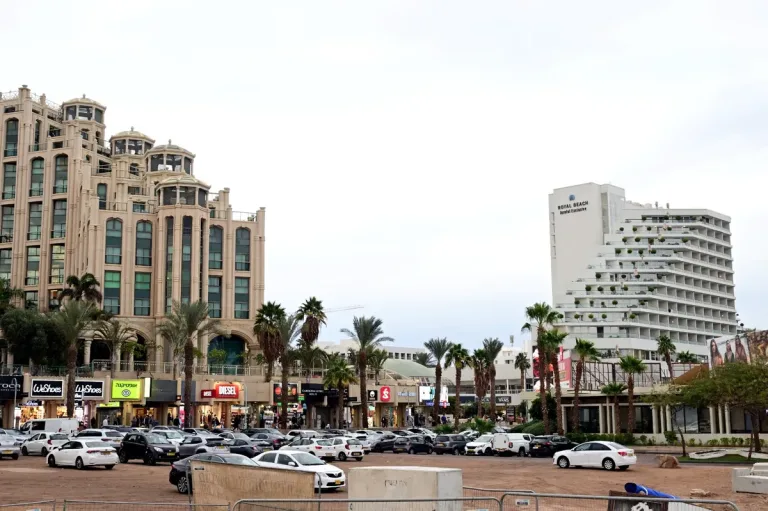
Jerusalem, 28 June, 2026 (TPS-IL) — The Israeli government on Sunday approved a five-year development plan for the southern city of Eilat and the Hevel Eilot Regional Council, totaling approximately 360 million shekels ($97 million), with the cooperation of roughly 20 government ministries.
The plan, proposed by Prime Minister Benjamin Netanyahu, is the government’s flagship initiative for developing the region in the coming years. It aims to strengthen Eilat’s status as Israel’s southern gateway and a strategic, economic, and tourism hub.
“Eilat and Hevel Eilot are the southern jewel of the State of Israel,” Netanyahu said. “During the war, we witnessed the mutual responsibility and extraordinary resilience of the region’s residents, who opened their homes and absorbed tens of thousands of evacuees. Today we continue with actions — with a wide-ranging five-year plan that will invest in health, transportation, education, tourism, employment and infrastructure, strengthen the quality of life for residents and establish Eilat as Israel’s strong and prosperous southern gateway.”
The decision also reflects the government’s commitment to a region that bore a significant national burden since the outbreak of the war that began with the October 7, 2023 Hamas massacre of at least 1,200 people in southern Israel. Within a short time, Eilat and Hevel Eilot absorbed tens of thousands of evacuees and provided them with essential services, demonstrating, the government said, exceptional communal and national resilience.
Eilat Mayor Eli Lankri welcomed the approval. “The government’s decision places Eilat in the place it deserves in the national order of priorities,” Lankri said. “The budgetary scope, the breadth of responses and the cooperation of 20 government ministries attest to the recognition of Eilat’s importance to Israel’s future, and the understanding that a strong Eilat is first and foremost a national interest.”
The plan covers six main areas: strengthening the healthcare system, including expanding medical infrastructure and attracting professional personnel; emergency preparedness, including the establishment of an advanced operations center; upgrading transportation infrastructure and developing Ramon Airport; regional economic development, including promoting new growth engines and expanding industrial activity; developing tourism infrastructure and increasing incoming tourism; and investing in education and higher education.
The education component resonates with residents who have long felt the city’s isolation. “Due to our geographic isolation, extracurricular programs and enrichment tracks are lacking,” Adiel Roth, an Eilat teacher, told TPS-IL. “A child growing up in Jerusalem who is missing an activity can travel to Tel Aviv and find it there. Here in Eilat, that is not an option — what the city does not have, does not exist. Investment in this budget will open up more opportunities, and equal opportunities matter.”
The plan was formulated in broad cooperation between government ministries, the Eilat municipality, the Hevel Eilot Regional Council, and professional bodies.