Israel News
Government
The Knesset, the cabinet and the coalition, legislation, and Israeli diplomacy from bilateral summits to the United Nations.
89 stories
Government
File photo
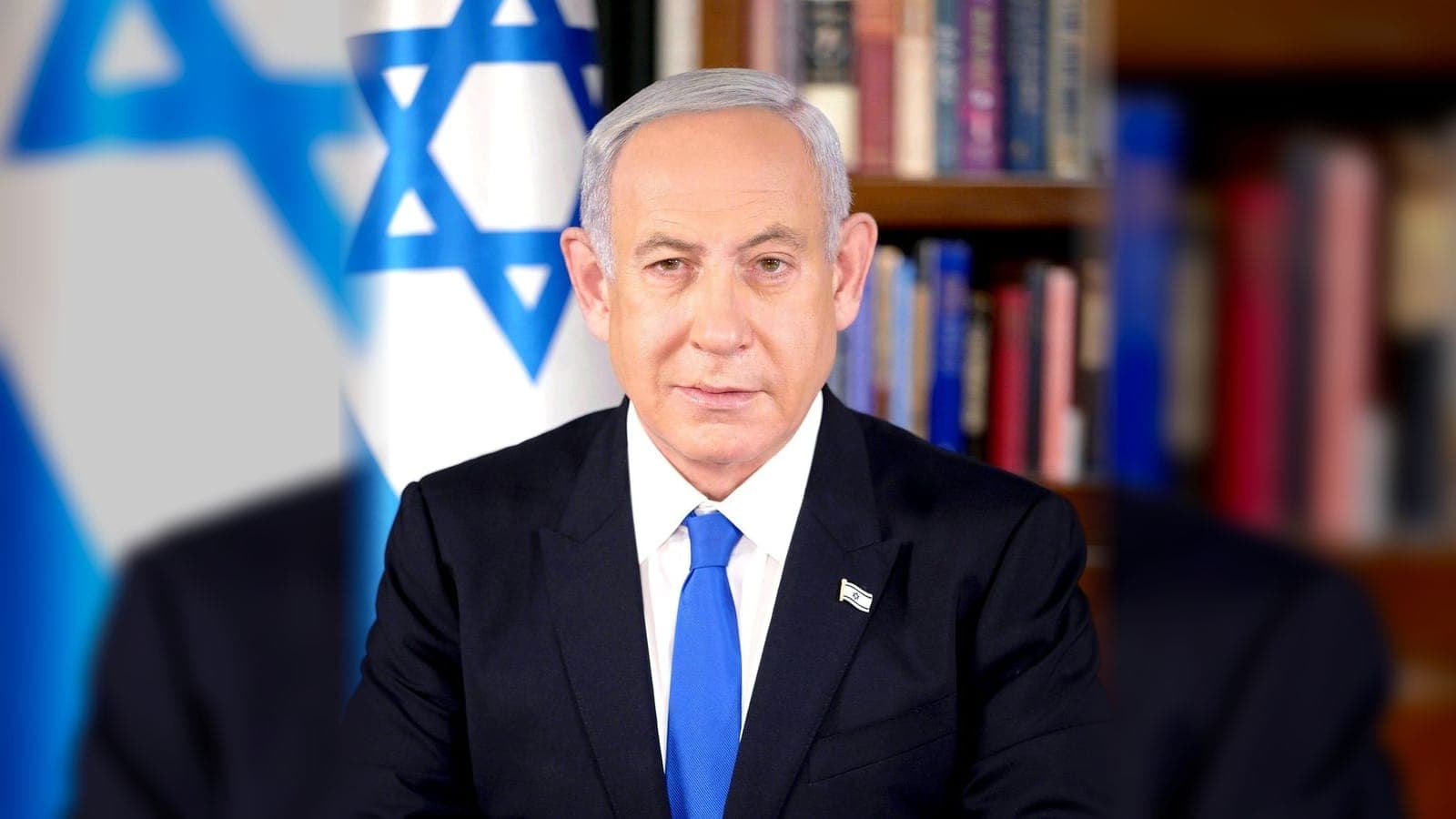
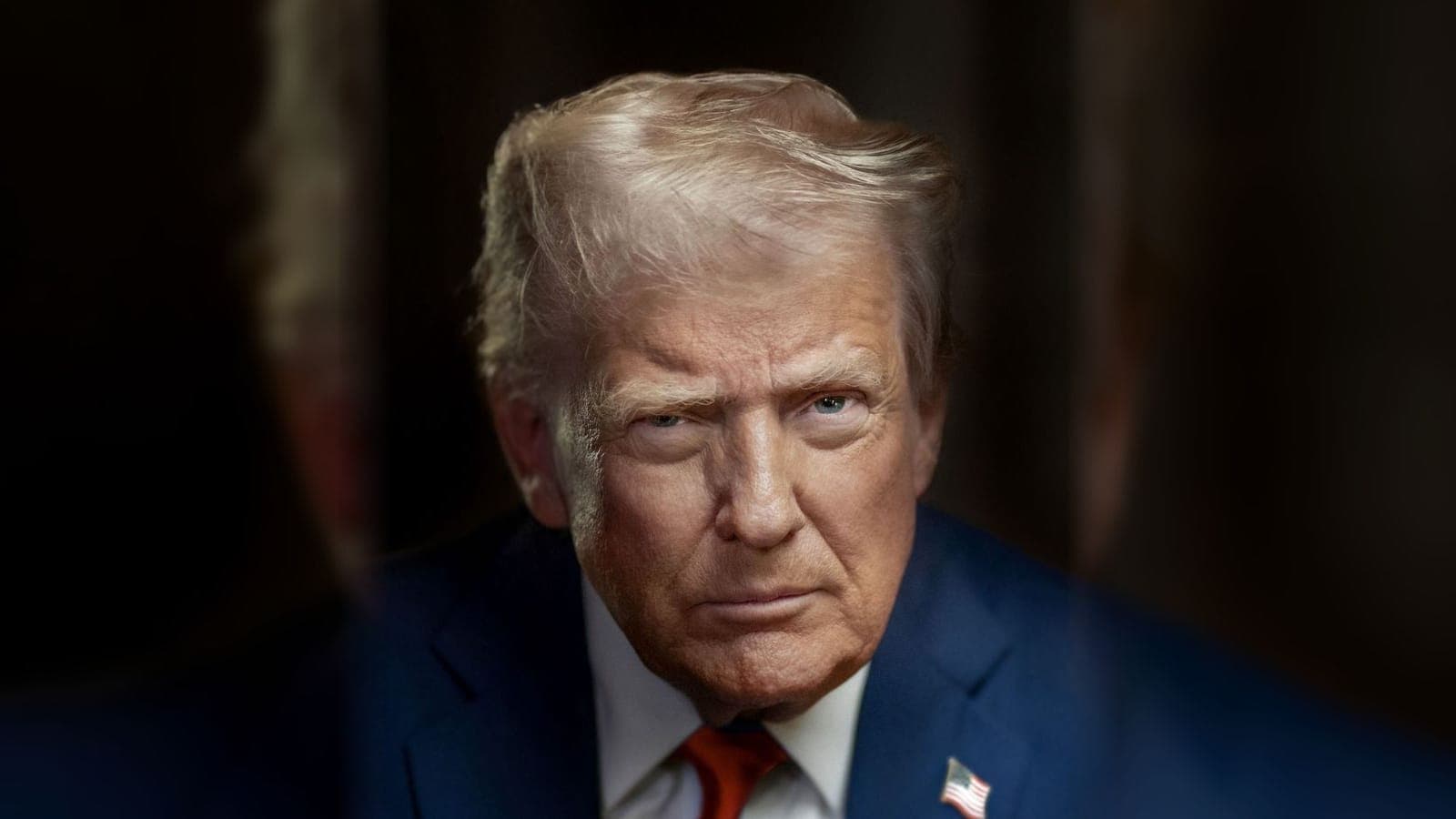
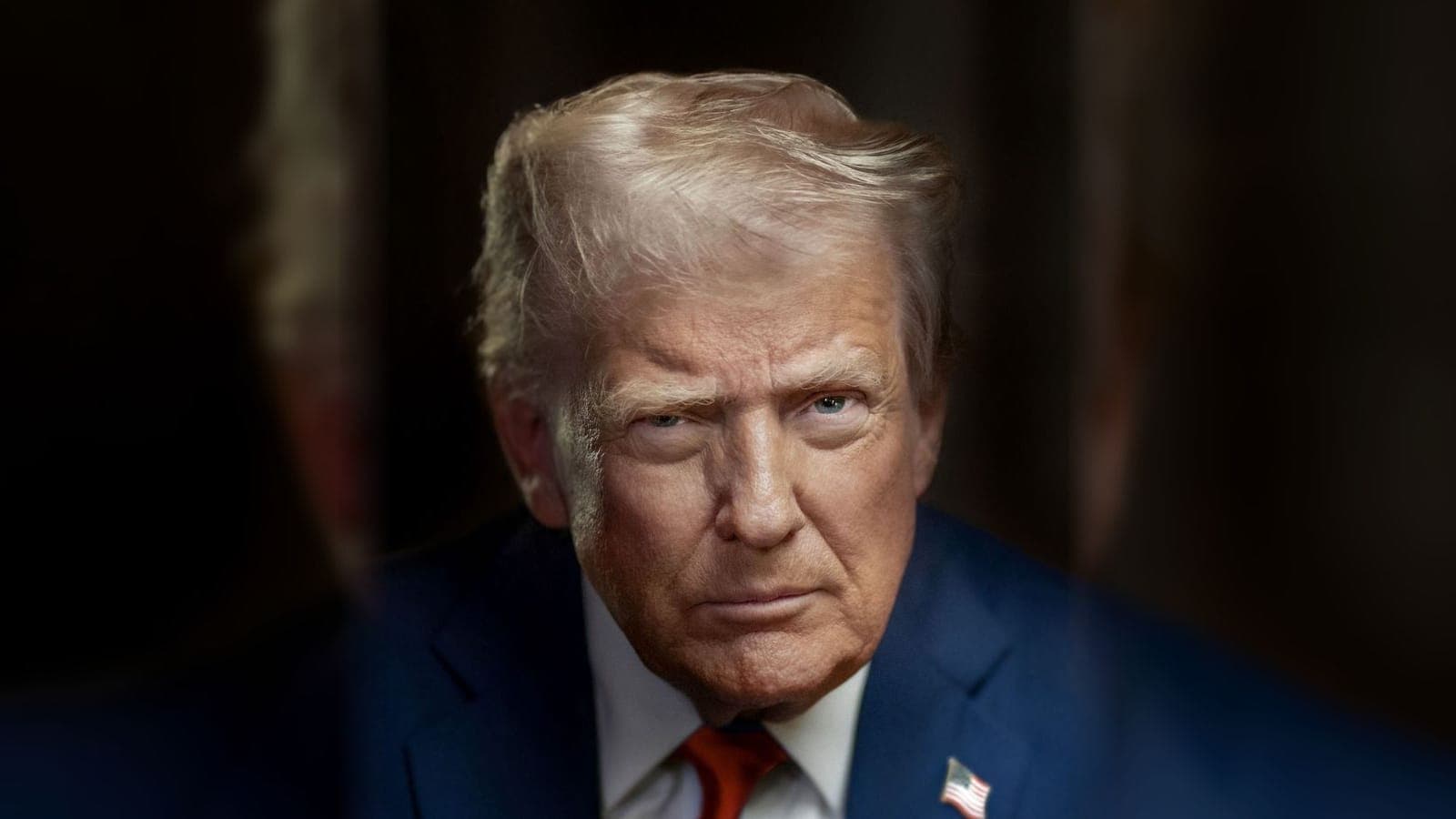
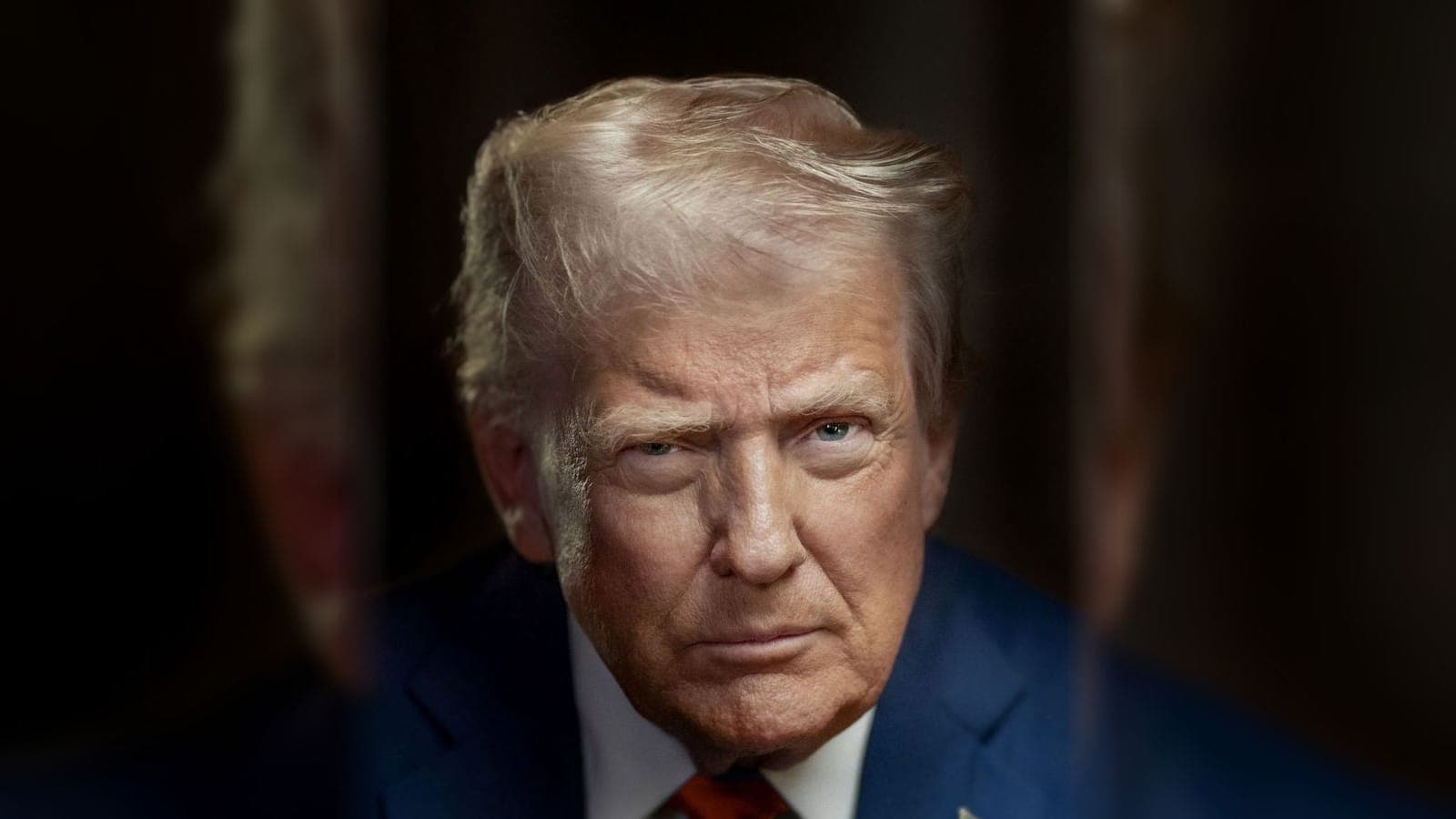
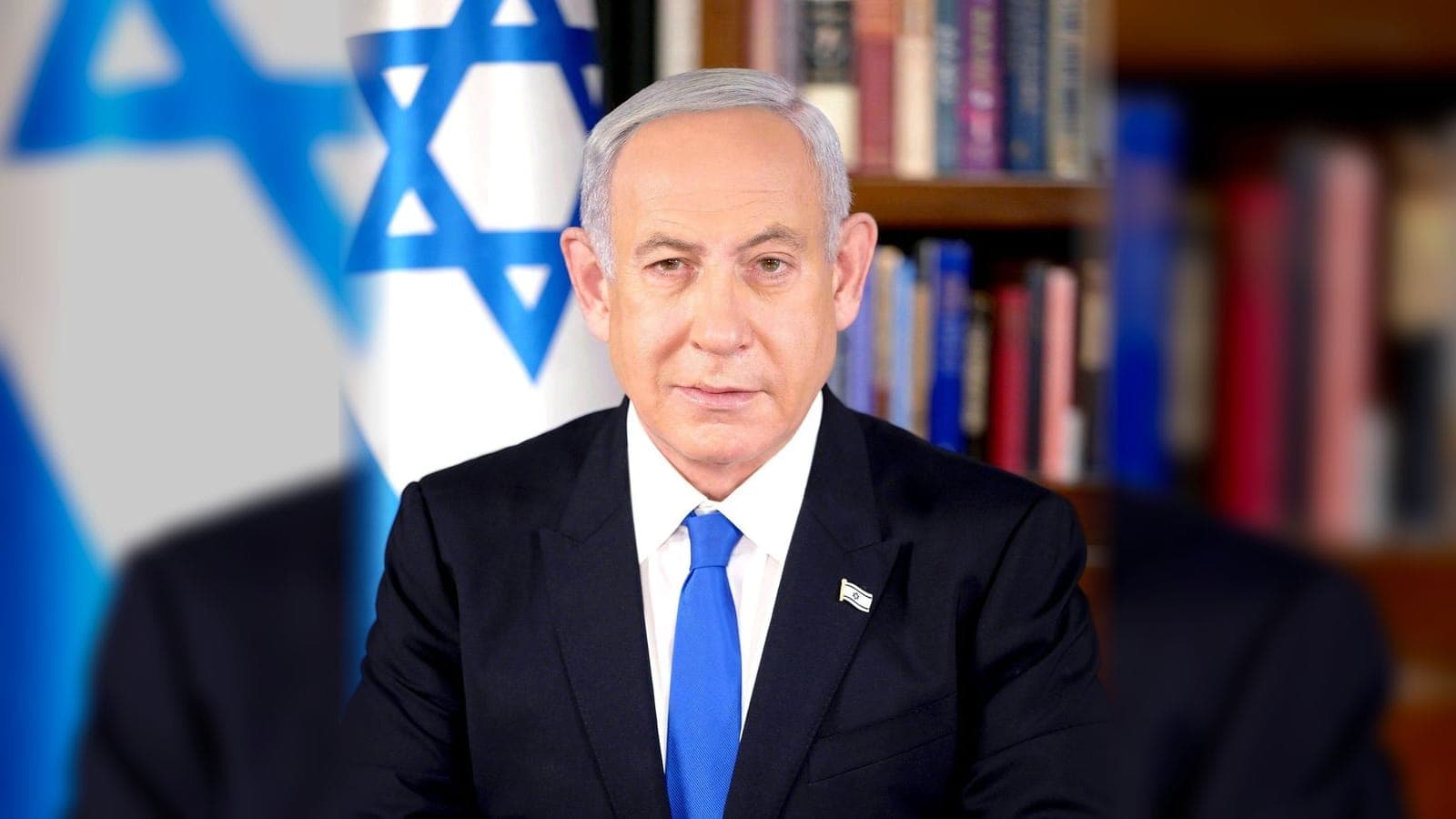
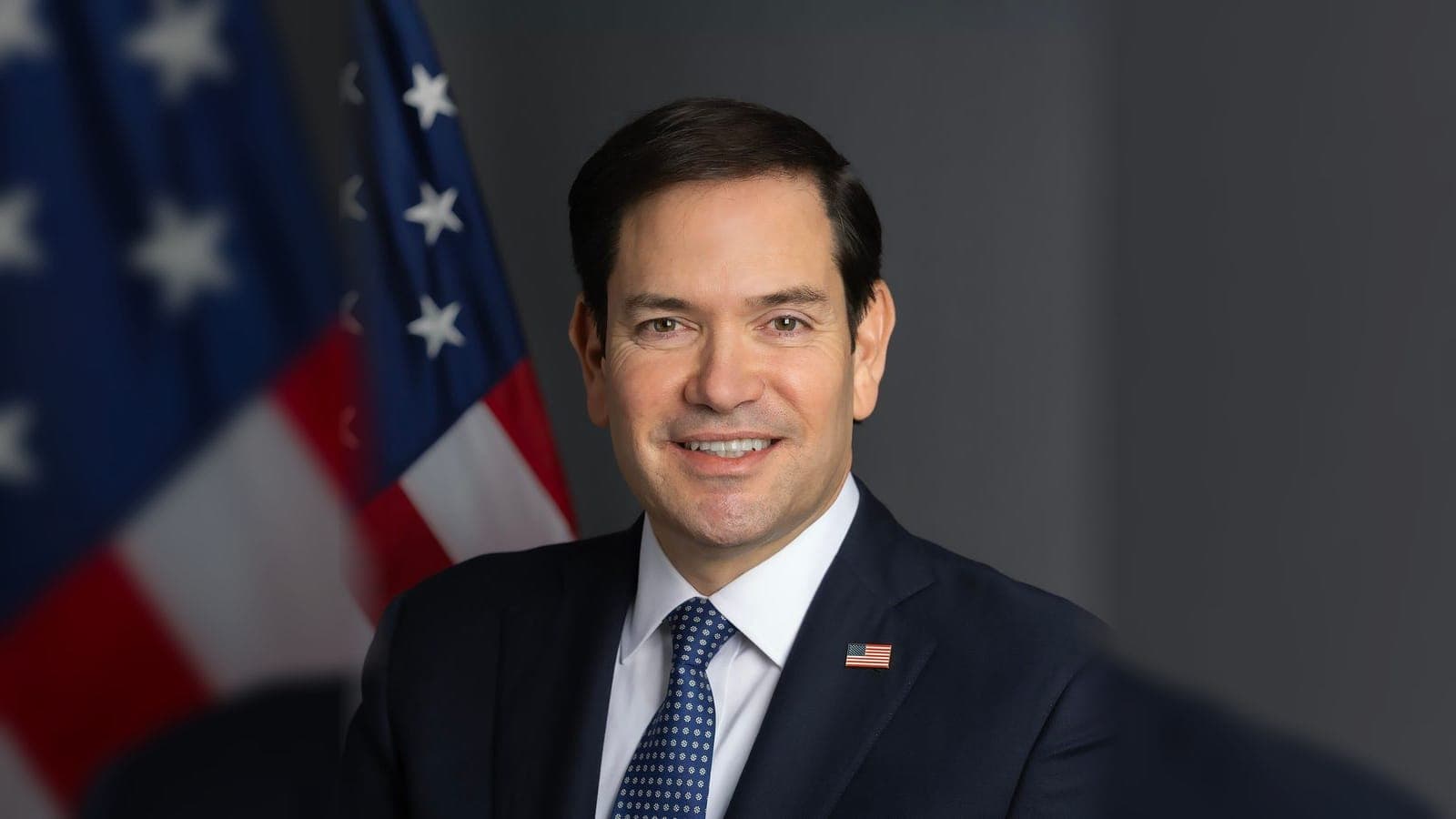
Trump denies Netanyahu pressured him into a second endorsement
The US president said he never discussed a fresh show of support with Israel's prime minister, and praised his record in office under difficult conditions.

Everything else in Government
Bottle thrown toward Netanyahu's convoy at Jerusalem's Mahaneh Yehuda market
US moves to pull some embassy staff and families from Gulf posts, citing Yemen
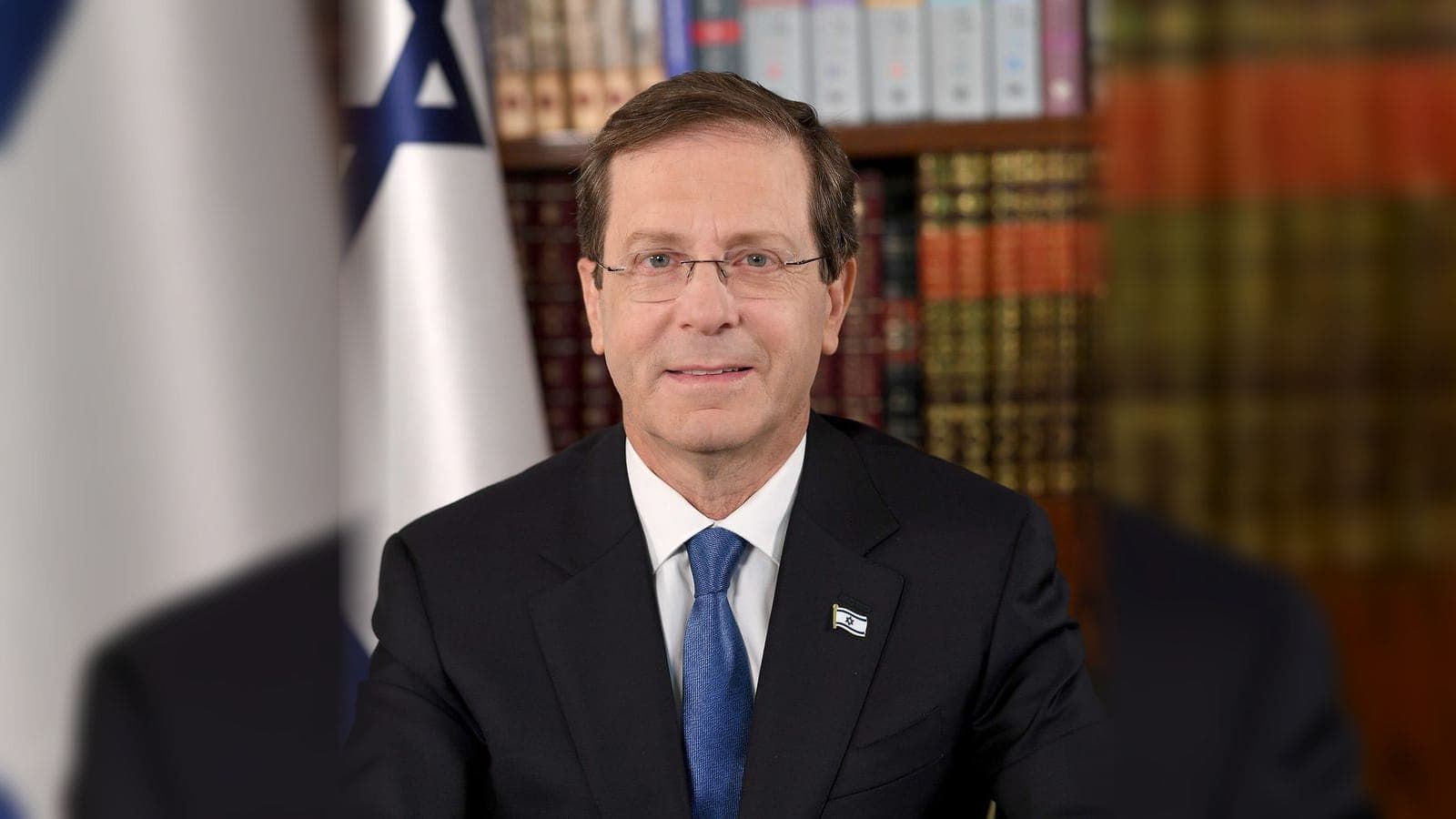
Herzog visits Budapest, meets President Baka as Hungary vows stable ties
Israel accepted as a Pacific Islands Forum partner after Sa'ar's Fiji visit
Netanyahu unveils security doctrine with 450 billion shekels more for defence
EU condemns settler attack on European diplomats near Taybeh in the West Bank
Katie Zacharia out as White House press secretary after 5 days in the job
Colombia opens its embassy in Jerusalem, the tenth in the city, says Sa'ar
Netanyahu tours eastern barrier near Kibbutz Massada, tells enemies 'do not test us'
Five bodies deny meeting Kamel as scrutiny turns to Netanyahu's alibi ceremony
Israel and the Czech Republic sign space cooperation declaration in Tel Aviv
One year on, Israel and a US envoy mark return of last 20 living hostages
Justice Department confirms search of Ilhan Omar's home; Trump denies role
Netanyahu aide Urich asked ChatGPT how to improve Qatar's image, Channel 12 says
Trump picks Trump Media adviser Katie Zacharia as White House press secretary
Sa'ar ties British consulate closure to UK's 'hostile steps' toward Israel
Israel says British Consulate in Jerusalem has closed after 12 UK officials barred
UK consulate in East Jerusalem loses its signs as 20 British diplomats leave
Israel's US envoy rebukes Mamdani over his October 7 anniversary statement
Ahead of October 7 anniversary, Israel warns citizens abroad to stay alert
Government releases Mount Herzl speeches by Netanyahu and Herzog after heckle
Netanyahu, Herzog and US envoy honour passengers who subdued flydubai pilot
Netanyahu warns of a heavy price if anyone sent the flydubai co-pilot
Trump credits Israeli plumber after Netanyahu call on flydubai FZ1073
Herzog congratulates Fatima Ezzahra El Mansouri, Morocco's new prime minister
Other Gulf states joined Netanyahu's Abu Dhabi talks on Iran, reports say
Israel summons Spain's chargé d'affaires over minister's 'river to the sea' remark
Egypt's spy chief phoned Netanyahu days before October 7, WSJ reports
Netanyahu's office denies Egypt warned Israel before the October 7 attack
Netanyahu tells UN of brother Yoni's 1967 vow, 'We have no other choice'
Netanyahu urges Paraguay, Panama and Bolivia leaders to join Isaac Accords
Netanyahu meets Argentina's Milei at the UN, praises his economic overhaul
Qatar, Turkey and Mamdani answer Netanyahu's UN speech, 33 days before Israel votes
Abbas addresses UN General Assembly by video after US visa refusal
Netanyahu thanks Slovenia's Janša for Israel's new embassy in Ljubljana
Reuters: US drafted Rubio statement against UK settlement import ban, never issued
Pezeshkian holds up Khamenei image in UN General Assembly address
French source says Macron's Hamas remark was a translation error
Witkoff says US and Iran talked through mediators at the UN, not face to face
Netanyahu tells Mamdani "shame on you" and vows UN speech reply
Israeli PM's office rejects Macron UN claim on Hamas in the West Bank
Israel launches "UN's Lie Industry" video ahead of Netanyahu speech
Networks suspend White House pool as Trump speaks with no audio
US prepares sweeping sanctions to cut ICC off from dollar transactions
Trump cuts short Camp David weekend, returns to White House early
UAE official disputes report that bin Zayed warned Netanyahu before October 7
US officials say no Trump-Netanyahu meeting planned at UN assembly
Trump says US has struck 'permanent' security deal over Greenland
Ex-Palestinian minister says he carried Sinwar message to Israel before Oct. 7
US officials met Houthi representatives in Oman, Reuters reports
Israel, Morocco and US agree steps to upgrade ties at New York summit
Netanyahu to fly to New York next week for UN General Assembly address
Swedish center-left edges ahead as count narrows to a few seats
Bahrain says no Hormuz talks with Iran until ties are restored
Israel's Foreign Ministry calls UN rapporteur Albanese a Hamas "spokesperson"
Herzog tells Cypriot leader he dreams of meeting Lebanon's president in Nicosia
Herzog calls UK settlement sanctions a grave miscalculation
Netanyahu tells cabinet Rosh Hashanah toast Iran's regime is faltering
Putin tells US envoys Russia will achieve its aims in Ukraine
Israel's Foreign Ministry and Huckabee criticise UK's Miliband over Gaza video
Some 120 ambassadors shown Israel's science agenda at Tel Aviv conference
Israel and DR Congo signal embassy moves to Jerusalem and Kinshasa
Netanyahu calls new Israel-Greece security agreement one of the largest ever
Illustration
- Archive
Netanyahu Hosts Europe's Patriots and a New Jerusalem Branch
- Archive
Netanyahu Calls the Israeli Freed From a Venezuelan Jail
- Archive
A Documentary on UNRWA Opens Days Before the UN Votes
- Archive
Israel Opens an Embassy in Tallinn as Iran Targets Its Diplomats
- Archive
Rabbi Lando Orders His Party to Vote Down the Death Penalty Bill
- Archive
Douglas Murray and Charlie Kirk Honoured at a Jerusalem Summit
- Archive
A Veteran Lawyer Is Israel's Pick for Ambassador to Athens
Illustration
- Archive
Cabinet Blocks the One October 7 Inquiry That Can Compel Testimony