
By Pesach Benson • May 13, 2026
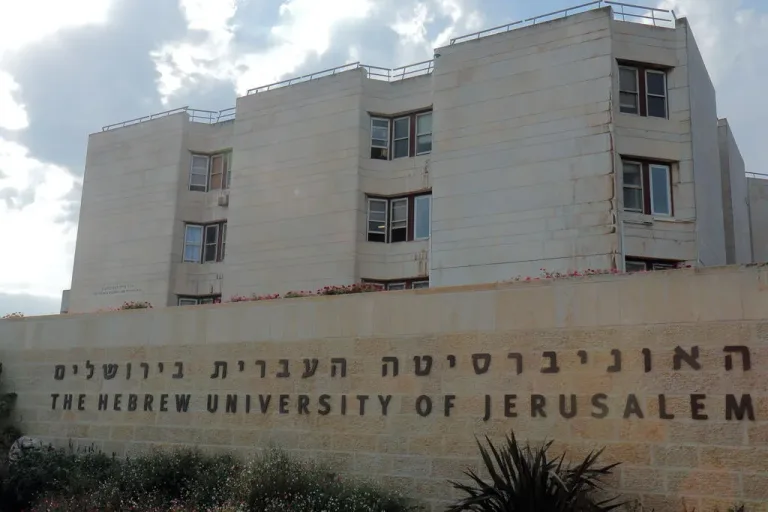
Jerusalem, 13 May, 2026 (TPS-IL) — Scientists have discovered that intestinal stem cells do more than repair the gut lining: they can also take part in defending the body against bacterial infection, the Hebrew University of Jerusalem announced on Tuesday.
The study, published in the peer-reviewed Nature Immunology, shows that these cells can detect Salmonella bacteria inside the intestine and respond in ways that help limit its spread.
Salmonella is usually contracted through contaminated food or, less commonly, contact with infected animals. If left untreated, many healthy people will still recover on their own within about a week as the immune system clears the bacteria. However, the illness can become more serious if symptoms are severe or not properly managed. The biggest immediate risk is dehydration from ongoing diarrhea and vomiting. In some cases, the bacteria can also spread beyond the intestines into the bloodstream, causing a more serious infection.
The World Health Organization estimates that this form of Salmonella leads to tens of millions of illnesses each year and over 100,000 deaths worldwide.
Previously, intestinal stem cells were thought to mainly replace and regenerate damaged tissue. They were not believed to actively participate in immune defense. Now, researchers have found that these cells can directly sense infection and switch into a protective mode.
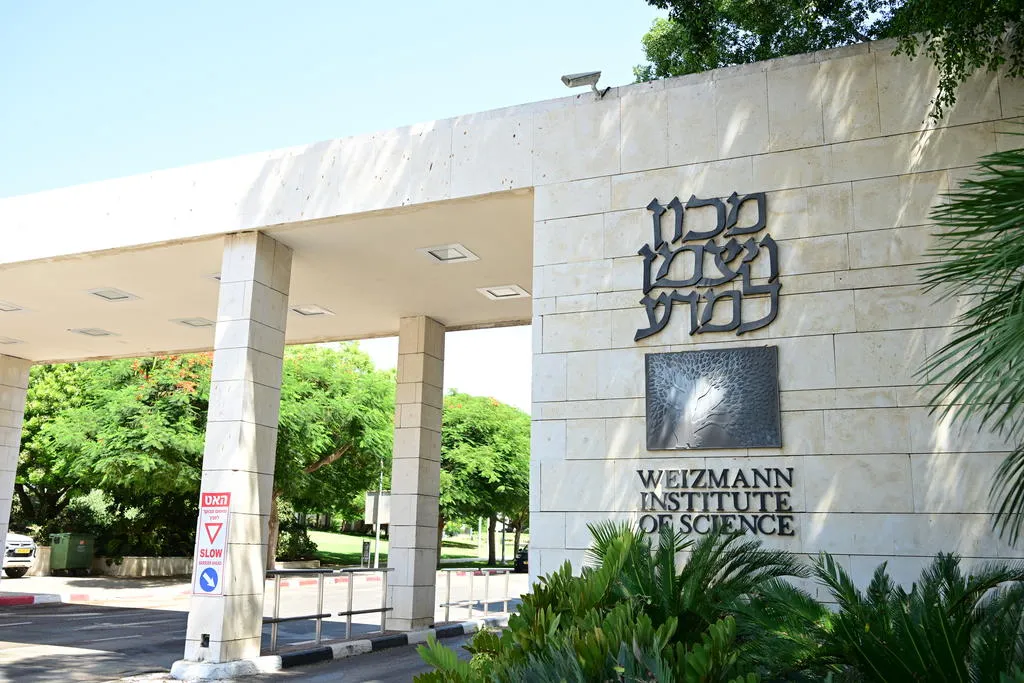
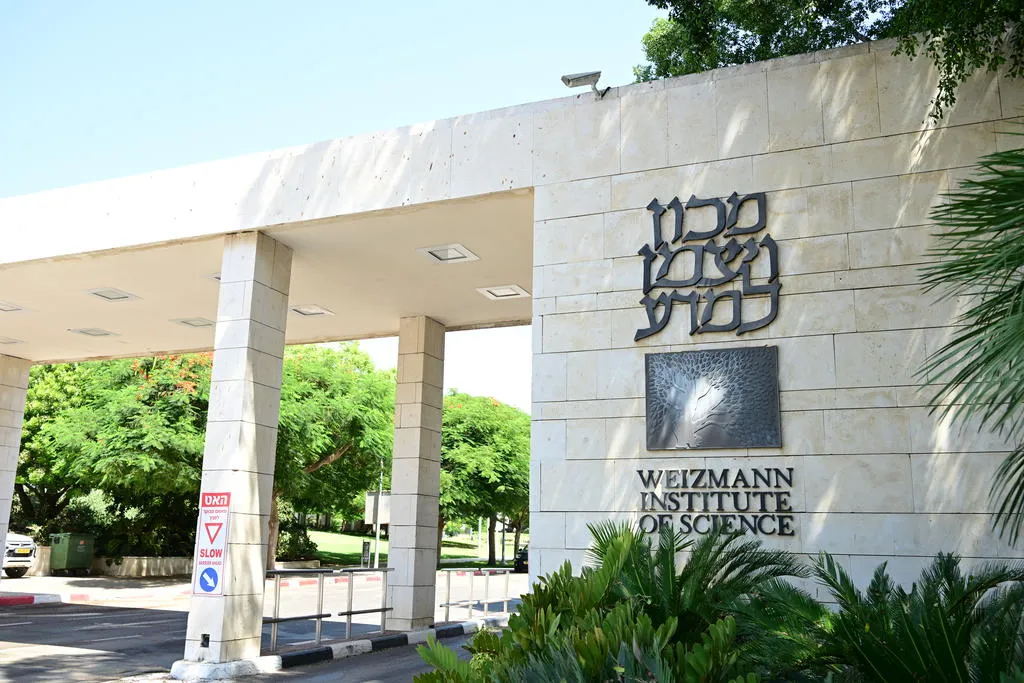
“Our results suggest that stem cell differentiation is part of an intrinsic protective program that helps preserve intestinal function during infection,” said Dr. Moshe Biton of the Weizmann Institute. He, along with Dr. Matan Hofree of Hebrew University, supervised the study, which was led by PhD student Sacha Lebon.
The researchers used advanced techniques, including single-cell analysis and laboratory-grown mini-gut models, to observe how the cells behave during infection. “Our findings show that intestinal stem cells are not only responsible for tissue regeneration, but also participate directly in the early defense against bacterial infection,” said Hofree.
The team also discovered that the response depends on a built-in cellular alarm system called the inflammasome. This system helps cells detect internal danger. When it is activated, stem cells quickly change into Paneth cells, which release antimicrobial substances that can help control bacteria. When this alarm pathway was blocked, the infection spread more easily.
The same response was also seen in human lab-grown intestinal tissue, suggesting the mechanism is likely relevant in people. Researchers also found a similar pattern in patients with Crohn’s disease, a chronic inflammatory bowel condition.
Demonstrating that intestinal stem cells rely on an inflammasome signaling pathway to trigger a rapid protective response raises the possibility of future research into safely enhancing or fine-tuning this pathway to strengthen the gut’s natural ability to clear infections more quickly.
Another important implication relates to inflammatory bowel diseases such as Crohn’s disease. The researchers found that the same stem cell defense signature seen during infection is also present in tissue from Crohn’s patients. This suggests that the pathway may be overactive or dysregulated in chronic inflammation. Understanding how this stem cell response is controlled may guide new treatments that restore balance in the gut lining without weakening normal defense mechanisms.
Also collaborating were scientists from the Sheba Medical Center, Hadassah–Hebrew University Medical Center, Tel Aviv University, and Cincinnati Children’s Hospital Medical Center.