

By Pesach Benson • May 12, 2026
Jerusalem, 12 May, 2026 (TPS-IL) — Israel’s Health Ministry released new data marking International Nurses Day, highlighting continued growth in Israel’s nursing workforce, expanded training programs, and the increasing role of nurses across the health system.
“Nurses are the pillar of the health system in Israel. In recent years, they have demonstrated professionalism, dedication, and the ability to lead the system even in the most complex moments,” Ministry of Health Director General Moshe Bar Siman Tov said in a statement accompanying the figures.
According to Health Ministry data, Israel currently has 90,419 registered nurses and male nurses (the latter commonly referred to in Hebrew as “brothers”), an increase of approximately 2,000 over the past year. The national nursing rate now stands at 7.07 nurses per 1,000 residents, a figure officials say meets an earlier-than-expected target set under a five-year strategic workforce plan. Men account for 16 percent of the profession.
The data indicates continued inflows into the profession through multiple channels. Around 100 new immigrants are currently in various stages of obtaining Israeli nursing licenses, while 10,283 candidates sat for nursing licensing examinations in 2025. In addition, approximately 13,000 nursing students are currently enrolled in academic programs nationwide, reflecting a sustained training pipeline intended to meet long-term workforce needs.
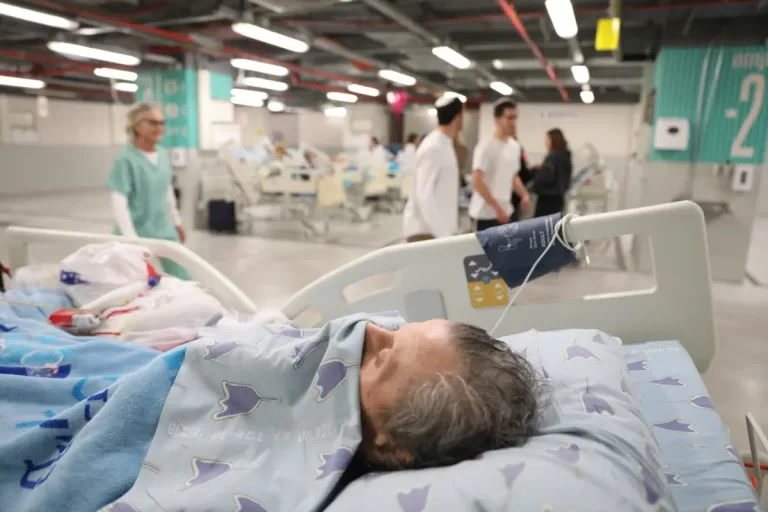
The Health Ministry noted the central role of nursing staff during periods of national emergency. During a month of fighting with Iran in March, approximately 70 percent of staffing reinforcements across the health system came from nursing personnel. Officials said the figure underscores the profession’s operational importance during crisis situations, particularly in hospital-based and emergency care settings.
Israel’s nursing system currently includes 24 recognized specialties, ranging from geriatrics, oncology, and psychiatric care to emergency medicine. In addition, 28 advanced post-qualification training fields are available, including intensive care, operating room practice, emergency medicine, and obstetrics. According to the ministry, 60 percent of nurses working in general hospitals have completed at least one such post-basic specialization course.
The ministry also said new academic pathways introduced this year allow direct progression from undergraduate studies into master’s degree programs, aimed at strengthening clinical expertise and leadership capacity within the profession.
The findings were also presented in the context of the ministry’s five-year strategic workforce plan, known as “6, 60, 7.” The framework sets targets including a minimum ratio of 7 nurses per 1,000 residents, alongside goals for expanding professional training and increasing the share of nurses with advanced qualifications. Officials said several benchmarks have already been met ahead of schedule.
The Health Ministry is also expanding leadership development programs within the profession, including initiatives such as “Neta” and “Ella,” designed to train future senior nursing managers in Israel’s healthcare system. In parallel, Israel’s Nursing Administration is expanding international cooperation with the World Health Organization, including leadership training programs for senior nurses in countries such as Greece, Tajikistan, and other Central Asian states.
Separately, the ministry has introduced a biometric identity verification system for nursing licensing examinations, developed in cooperation with the Population and Immigration Authority and the National Cyber Directorate. The system uses real-time ID scanning and cross-referencing with government databases to reduce impersonation and document fraud. Officials said it is expected to be expanded to additional healthcare licensing examinations in the future.
Dr. Shoshi Goldberg, National Chief Nurse and head of the Nursing Administration, said International Nurses Day provides an opportunity to recognize the contribution of the profession. “This day allows us to recognize and honor the work of over 90,000 nurses and male nurses, whose dedication is evident both in routine care and during periods of national crisis,” she said. “The nursing profession has proven its central role in maintaining the resilience and continuity of the health system, and we continue to work to strengthen it through training, leadership development, and innovation.”
International Nurses Day is observed annually on May 12, marking the birthday of Florence Nightingale, widely regarded as the founder of modern nursing.