
By Pesach Benson • May 27, 2026
Jerusalem, 27 May, 2026 (TPS-IL) — Officials on Wednesday unveiled Israel’s National Energy Plan for 2035, a decade-long strategy designed to significantly expand renewable electricity generation and reshape the country’s energy system.
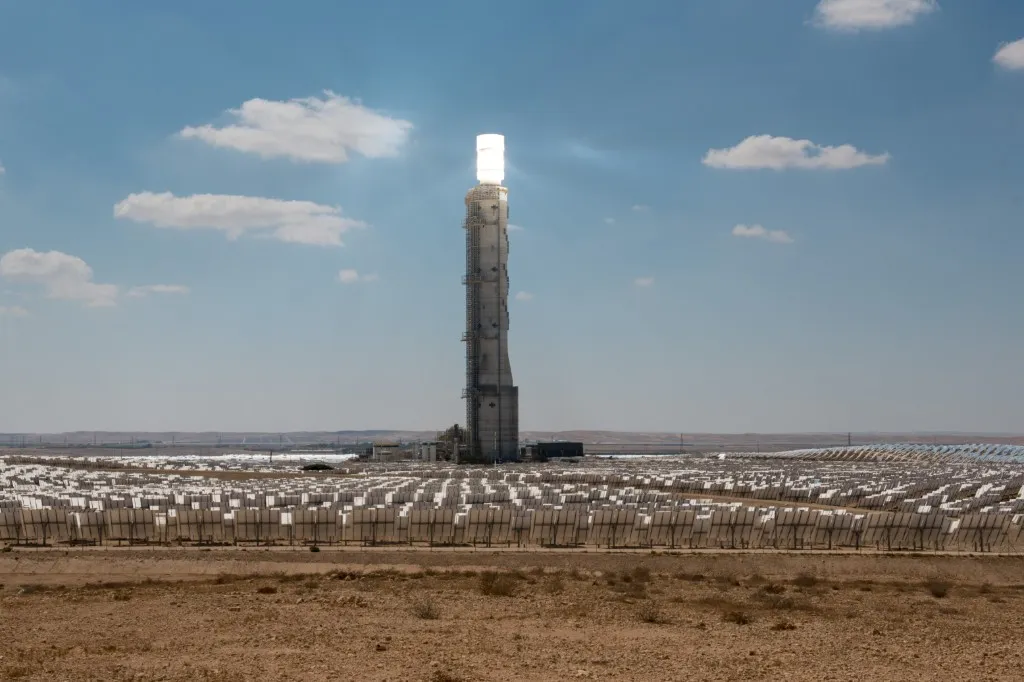
The plan, presented to President Isaac Herzog in Jerusalem, sets a national target of 26 gigawatts of installed renewable energy capacity by 2035, marking a major expansion of Israel’s clean energy sector over the next decade.
“Generating electricity from renewable energy strengthens the energy security of the Israeli economy, contributes to the diversification of energy sources and the reduction of air pollution, and is necessary to respond to the growing demands following the AI revolution,” said Minister of Energy Eli Cohen.
According to figures presented at the launch, Israel currently has about eight gigawatts of installed renewable capacity, which accounts for roughly 16 percent of national electricity consumption. The new framework would require more than tripling that capacity within ten years in order to meet growing demand and reduce reliance on conventional energy sources.
The roadmap outlines an annual expansion of approximately 1.5 to 1.9 gigawatts of new renewable capacity each year. Officials said achieving this pace will require sustained coordination between government ministries, regulators, and private sector stakeholders, as well as long-term investment certainty for developers.
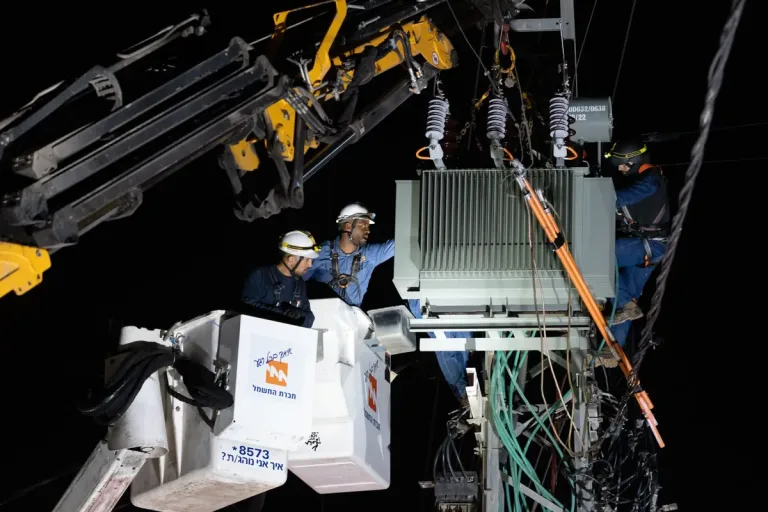
A central focus of the plan is strengthening Israel’s electricity grid to accommodate higher volumes of renewable energy. Energy planners stressed that generation targets alone will not be sufficient without parallel upgrades to transmission infrastructure.
The strategy also stresses that energy storage technologies will play a key role in balancing supply and demand. Storage systems are seen as essential for managing fluctuations in renewable output, particularly during peak consumption periods and times when solar production is reduced. Officials said integrating storage into the national grid would improve reliability and allow for more efficient use of renewable electricity.
In addition, the plan calls for improved coordination across ministries and regulatory bodies to streamline planning and approval processes.
“The implementation of the plan that the Ministry of Energy has formulated will promote the transfer of a significant portion of electricity production in Israel to renewable energy,” said Dr. Dov Hanin, chairman of the Israeli Climate Forum.
“This is the way to strengthen Israel’s energy security, save resources, reduce pollution, and help prepare for the climate crisis, the consequences of which we are already feeling and are expected to feel even more strongly in the coming years,” he added.
The plan is currently open for public comments.