

















Israel Begins 2026 With Midnight Birth and Dozens of Emergency Calls
Israel's 2026 began with a midnight birth in Jerusalem and hundreds of Magen David Adom emergency calls on New Year's Eve, including 51 road accidents and 11.



Israel's 2026 began with a midnight birth in Jerusalem and hundreds of Magen David Adom emergency calls on New Year's Eve, including 51 road accidents and 11.
Israeli and German students now access pre-Holocaust history through the Leo Baeck Institute's new "Entangled Lives" digital platform, fostering understanding.
Israel's 2026 began with a midnight birth in Jerusalem and hundreds of Magen David Adom emergency calls on New Year's Eve, including 51 road accidents and 11.
By Pesach Benson • January 1, 2026
Jerusalem, 1 January, 2026 (TPS-IL) — Israel welcomed its first baby of 2026 just one minute after midnight as Magen David Adom medics across the country dealt with a busy New Year’s Eve marred by traffic accidents, alcohol-related injuries, and violent incidents overnight.
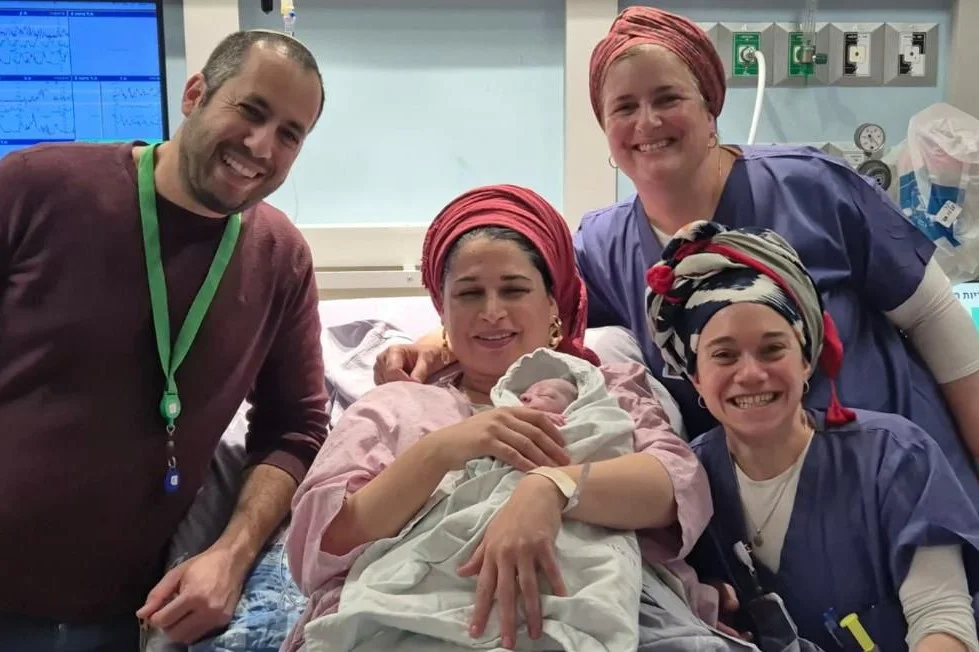
Hadassah Mount Scopus Hospital in Jerusalem said a baby boy was born at 12:01 a.m. to Shira-Leah and Uri Rozman of Dolev.
“I had a good birth with a wonderful midwifery team, thank God, everything went great and it was a lovely experience,” Shira-Leah said.
A teacher by profession, she added, “I wish all of us a happy birthday, may the Jewish people continue to grow and multiply.”
The baby weighed 2,884 grams and was delivered with the assistance of midwives Odelia Mendelovich and Rachel Znwirt. He is the couple’s fifth child, with his siblings waiting for him at home.
While Israelis rang in 2026, Magen David Adom medics remained on high alert throughout the night. According to MDA, medics and paramedics provided medical care to hundreds of people.
A total of 51 people were injured in road accidents, including three in moderate condition and 48 lightly injured. Eleven people were hurt in violent incidents, including one man, about 30 years old, who was seriously injured in a stabbing near a forest. Four others were moderately injured and six sustained light injuries.
MDA teams also treated approximately 50 teenagers and adults for alcohol-related injuries.
During the first night of the new year, MDA ambulances and mobile intensive care units transported 21 women in labor to hospitals across Israel.
“As every year, MDA volunteers and employees were deployed across the country and provided life-saving medical care to partygoers on New Year’s Eve. Unfortunately, even at the beginning of the new year, the teams in the field were called to handle traffic accidents and alcohol-related incidents,” said MDA Director Eli Bin. “I wish everyone a happy, healthy and safe New Year.”
Israel welcomed 1.3 million tourists in 2025, marking a cautious recovery for its hotel industry after housing thousands of Israeli evacuees.
By Pesach Benson • December 31, 2025
Jerusalem, 31 December, 2025 (TPS-IL) — Israel’s Ministry of Tourism reported on Wednesday that 2025 was a year of cautious recovery and unprecedented crisis management, as the country welcomed a slow return of foreign tourists. The year will close with approximately 1.3 million incoming visitors, even as officials work to stabilize the hotel industry, which supported thousands of Israeli evacuees, the ministry said.
“The easing of travel warnings and the restoration of airline routes have allowed tourism to begin returning,” Tourism Minister Haim Katz said. “At the same time, we had a responsibility to protect citizens and maintain the tourism industry during an extremely challenging period. Both missions were critical for the future of Israeli tourism.”
The United States remained Israel’s largest source market, sending roughly 400,000 visitors, followed by France with 159,000 and the United Kingdom with 95,000. Other notable source countries included Russia, Germany, Ukraine, Canada, and Romania. Domestic tourism also continued to be a stabilizing force, with more than 13 million overnight stays by Israelis recorded in hotels nationwide by the end of the third quarter.
Survey data collected by the ministry in the first half of 2025 showed evolving visitor patterns since the war. The average stay fell to 9.3 nights from 11.4 in 2024, while spending by independent travelers increased to $1,622 per trip, excluding flights. Visiting friends and relatives remained the leading motivation, cited by 45% of tourists, followed by vacation at 14% and business at 12%. Satisfaction levels were high, with 88% reporting a positive experience and 83% saying they would recommend Israel as a destination.
Alongside the gradual return of foreign tourists, the ministry led a historic effort to house residents from conflict zones.
More than 125,000 evacuees were accommodated in roughly 670 hotels and guesthouses across the country, a program that concluded in July 2025. The state paid hotels approximately NIS 7 billion ($2.19 billion) for hosting evacuees, which officials said preserved thousands of jobs and prevented widespread collapse in the hospitality sector. An additional NIS 175 million ($54.8 million) was allocated to renovate properties affected by the prolonged stays and return them to normal tourist operations.
“This operation was not only a humanitarian necessity. It also saved the hotel industry and safeguarded livelihoods across Israel,” Katz said.
“For a long period, tourism was not about vacations at all,” Katz added. “It was about keeping people safe, maintaining jobs, and ensuring that the industry would still exist when recovery begins.”
Ministry Director General Michael Yitzhakov said the dual mission of welcoming tourists while managing a large-scale evacuation required careful coordination. “We had to operate simultaneously in crisis management and long-term planning,” he said. “This meant strengthening infrastructure, supporting entrepreneurs, and maintaining our marketing presence abroad, even when tourist arrivals were limited.”
Looking ahead to 2026, the ministry plans to build on early signs of recovery by expanding hotel supply, investing in public tourism infrastructure, and integrating artificial intelligence into marketing and operations. Grants totaling over 180 million shekels were approved this year for the construction of 2,050 new hotel rooms, and another 174 million shekels were allocated to infrastructure projects proposed by local authorities.
In parallel, the ministry approved more than NIS 180 million ($56 million) in grants for entrepreneurs to build over 2,000 new hotel rooms and allocated about NIS 174 million ($54.5 million) for public tourism infrastructure projects submitted by local authorities.
Looking ahead to 2026, officials say the ministry will expand its use of artificial intelligence in marketing and operations and establish a tourism innovation community linking startups with industry players. “After a period in which tourism helped carry the home front,” Yitzhakov said, “our task now is to restore international confidence and turn resilience into renewed growth.”
“Tourism played a critical role both in protecting citizens and supporting the economy,” Yitzhakov said. “Now our focus is on restoring international confidence and turning resilience into renewed growth.”
Archaeologists uncover a 2,000-year-old Jewish ritual bath near Jerusalem's Temple Mount, revealing new insights into Second Temple life just 30 meters from the.
By TPS-IL • December 29, 2025
Jerusalem, 29 December, 2025 (TPS-IL) — A rare archaeological discovery beneath Jerusalem’s Western Wall Plaza has uncovered a rock-hewn Jewish ritual bath from the final days of the Second Temple period, adding new physical evidence of Jewish life and practice around the Temple complex nearly 2,000 years ago, researchers told The Press Service of Israel.
“Many ancient ritual baths have been found in Jerusalem, but not in such proximity to the Temple location,” excavation director Ari Levy of the Israel Antiquities Authority told TPS-IL.
“It is significantly close to the Temple. It is located only 30 meters (98 feet) west of the Temple site and in proximity to the main entranceways to the Temple Mount,” Levy said.
The mikvah was sealed beneath ash layers that bear witness to Jerusalem’s destruction by the Romans nearly 2,000 years ago. Ash remains were found inside the sealing layer, along with pottery vessels and stone containers characteristic of Jewish households in the late Second Temple period, Levy said. According to the IAA, the context of the ash layer leaves little doubt that the installation was in use until the final moments before the city’s destruction.
The mikvah is rectangular in shape, measuring just over three meters in length (about 9.8 feet), with plastered walls and four carefully carved steps leading down into the bath.
The excavation area lies in close proximity to what were once the main entrances to the Temple compound, including the Great Bridge to the north and Robinson’s Arch to the south. Previous digs in the area have revealed additional ritual baths and stone vessels, reinforcing evidence that the surrounding neighborhood was closely tied to Temple activity and observance of Jewish ritual purity laws.
Researchers believe the mikvah served both local residents and the large numbers of pilgrims who visited Jerusalem, particularly during festivals. In Temple-era Jerusalem, ritual purity was not limited to priests or formal religious settings, but was woven into daily life throughout the city.
The excavations are being conducted in parallel with development work to make underground areas of the Western Wall Plaza more accessible to the public. The mikvah is expected to become part of the expanded underground visitor route beneath the Western Wall Plaza, offering the public a tangible connection to everyday life in ancient Jerusalem, the IAA and the Western Wall Heritage Foundation said. The foundation administers the daily affairs of the Western Wall.
The Western Wall, the holiest spot where Jews can pray, is the only remnant of a retaining wall encircling the Temple Mount built by Herod the Great in the first century.
The Temple Mount, where the First and Second Jewish Temples were built, is the overall holiest site in Judaism.
Canadian model Miriam Mattova, 33, confronts rising online antisemitism, facing death threats and Hitler praise after an anti-Jewish Uber incident.
By Pesach Benson and Ezra Lev Cohen • December 25, 2025
Jerusalem, 25 December, 2025 (TPS-IL) — Canadian-Slovakian model Miriam Mattova is intensifying her public advocacy to hold social media platforms accountable for online hate, saying unchecked anonymity has helped normalize antisemitic threats and allowed violent rhetoric to flourish without consequences.
Mattova, 33, who lives in Toronto, has become an outspoken critic of what she describes as regulatory inaction by governments and technology companies, particularly as she faces a sustained campaign of online harassment. In November, she was forced out of an Uber ride after a driver learned she was Jewish, an incident that later led to a settlement she says she cannot discuss. Since then, she says the volume of threats directed at her online has surged, with messages praising Adolf Hitler, calling for her murder, and targeting her Jewish identity and Zionism.
“This level of anonymity creates a breeding ground for extremism, harassment and escalation,” Mattova told The Press Service of Israel. “It allows hate to be amplified and normalized without accountability, and violent rhetoric becomes casual. Threats start to feel acceptable to the people making them.”
Examples of the messages Mattova says she sees daily on Instagram and Twitter include explicit praise of violence and genocide. She shared screen-captures of some comments.
“Hittttttler was right,” one comment said. Others were more overtly threatening, such as, “Should have just slit your throat lol,” and “SHAMELESS GENOCIDAL LOVER!!! ONE DAY YOULL REAP WHAT YOU SOW!!!” Some posts attempted to separate antisemitism from anti-Zionism while still targeting her identity, such as, “She’s a self-proclaimed Zionist. Stop conflating that with Judaism. These genocidal maniacs and those who support their vile regime should know no peace. #FreePalestine,” and “another Slovakia bitch pretending to be a jew. Zionism is Nazism and not Judaism.”
Mattova’s advocacy gained further urgency following the arrest of three men linked to Islamic State, arrested by Toronto police and accused of attempting to kidnap Jewish women at gunpoint. One of the three was released on bail, a decision that sparked anger within the Jewish community. The three were arrested in Mattova’s neighborhood, further deepening concerns about public safety.
“It’s quite scary getting all these death threats and then seeing terrorists being let out on bail. I have no words to this country anymore,” she told TPS-IL.
Mattova stressed that her criticism is not directed at police officers themselves, whom she praised for making the arrests, but at what she sees as systemic failures to treat threats seriously. “I was very proud of the police that they caught these types of people,” she said. “But the next day, when I opened the news and found out that they were released on bail, I was very disappointed. Especially because I’m getting 20 to 30 threats on social media a day. Like, how should I feel?”
She has filed official complaints with police and says documenting threats is essential, even when results are slow. “Filing a report is essential. It creates an official record and helps establish patterns if threats escalate,” she said. “In my case, they do escalate, but nothing seems to happen.”
Mattova, who holds a PhD in political science focused on government regulation and accountability, argues that social media platforms remain governed by outdated rules that no longer reflect the scale or impact of online hate. “Instagram was created 15 years ago and we still sign off to the same terms and regulations as 15 years ago, when hate was completely different,” she said. “Online hate is the ground zero for extremism, and regulations have not kept pace with technology.”
She believes stronger verification measures are necessary, including linking accounts to verified identification or financial credentials. “We cannot have people that are not traceable online spreading things that are either not true or threatening people or harassing people online,” Mattova said. “There is no difference between saying something to a person in real life or saying it online.”
The recent deadly attack on Jews at Sydney’s Bondi Beach “reminds us that online hate does not only stay online. It radicalizes individuals and validates dangerous ideologies and lowers the threshold for violence.”
Rejecting accusations that Jews speak out to silence debate, Mattova said the stakes are existential. “We speak out because we want to stay alive,” she said. “When antisemitic threats are minimized, when perpetrators face no real consequences and society treats these warnings as overreactions, it echoes the same dangerous pattern my family lived through before the Holocaust.”
Her grandmother, a Holocaust survivor now in her 90s, has also been targeted in online attacks. “They are attacking my grandmother and telling me that Hitler should do the same thing to my family,” Mattova said. “That is so unacceptable. It’s a feeling of deep disappointment that she has to see this.”
Despite the hostility, Mattova said she is not planning to leave Canada. Instead, she is seeking structural change. She plans to partner with the Toronto-based organization End Violence Everywhere to issue an open letter to politicians calling for enforceable standards for online platforms. “If the platforms will not take responsibility and self-regulate, then our governments must compel them to do so,” she said.
Mattova is also continuining her advocacy for Israel Friends, a nonprofit that has delivered over $55 million in aid for civilian security teams and support for Israelis suffering from post-traumatic stress disorder (PTSD).
“My goal is to engage policymakers and company leaders,” Mattova added. “But if they don’t respond, we cannot even have a debate. Speaking up is not a choice for me. It’s a matter of survival.”
Israeli and German students now access pre-Holocaust history through the Leo Baeck Institute's new "Entangled Lives" digital platform, fostering understanding.
By TPS-IL • December 25, 2025
Jerusalem, 25 December, 2025 (TPS-IL) — For decades, some of the most intimate records of German Jewish life before the Holocaust have been preserved quietly in archives in Jerusalem, far from the classrooms where history is first encountered. That is now set to change.
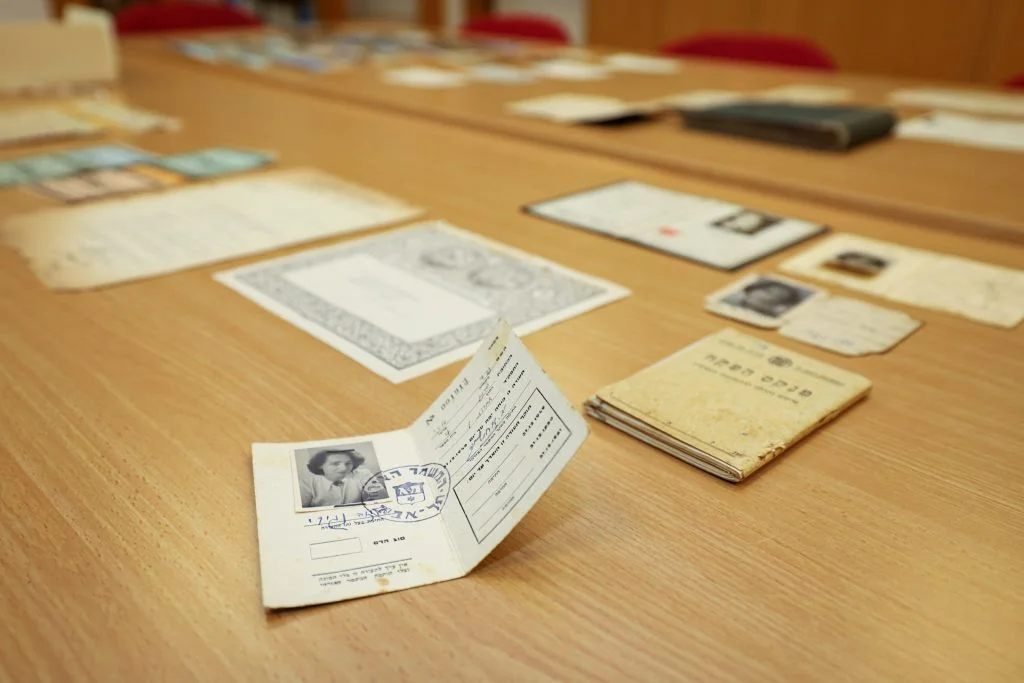
As part of its 70th anniversary, the Leo Baeck Institute in Jerusalem told TPS-IL it has launched Entangled Lives, a new digital platform that will, for the first time, integrate rare archival materials held in Israel into history curricula in schools in both Israel and Germany. Unlike existing educational initiatives that focus primarily on the Holocaust, including those led by Yad Vashem, the project reaches further back in time, offering students direct engagement with original documents and personal life stories.
By exposing high school students to the human texture of German Jewish history beyond the Shoah, as the Holocaust is referred to in Hebrew, the platform aims to deepen historical understanding and contribute to confronting contemporary antisemitism, the institute said.
“Historical learning, understanding historical processes, and how this affects individual lives helps to think in perspective, to learn understanding complexity, to question ‘fake news,’ and to overcome black and white thinking,” Dr. Irene Aue-Ben-David, CEO of the Leo Baeck Institute in Jerusalem, told TPS-IL.
Entangled Lives draws on the institute’s extensive archive of photographs, letters, documents, and personal collections originating in Germany and preserved in Jerusalem. The platform presents life stories of individuals born in Germany whose paths diverged during the upheavals of the 20th century, including migration to Mandatory Palestine and to other parts of the world. Students using the platform will be able to work directly with authentic historical sources, exploring the lived experience behind major historical developments, Aue-Ben-David said.
“This goes far beyond the Shoah. The aim and task is indeed to research this history in a wider sense. In an age of information overload and growing challenges in teaching history, it is profoundly important to connect students with primary sources… in that sense, it might help the fight against antisemitism,” Aue-Ben-David said.
The first two stories featured on the platform focus on sharply different trajectories. One is Aliza Nagidi, a Berlin-born photographer and committed Zionist whose work documented both community life and her own personal journey. The second is Willy Lewison, a young German who enlisted in the German army during World War I, fought on the Eastern Front, and was taken prisoner in Russia.
The project is a joint effort between the Leo Baeck Institute and the German-Israeli Textbook Commission (DISBK). Founded in 2010, the commission examines how Israel and Germany are represented in each other’s textbooks and offers recommendations aimed at improving accuracy, balance, and historical sensitivity. The Leo Baeck Institute, established 70 years ago with centers in Jerusalem, London, and New York, is a leading research institution dedicated to the history and culture of German-speaking Jewry.
Tal Kopel, a history teacher from Jerusalem, told TPS-IL that “the initiative will give us, as history teachers, the ability to connect students to real people rather than to abstract headings like ‘German Jews.’ For a generation that shapes its worldview through visual tools, this is an important step in linking Jewish history to the present.”
Aue-Ben-David said an initial version of the platform is already accessible for teachers, with a full release expected in the coming months.
New Israeli-Dutch research led by Tel Aviv University reveals avoiding information is a natural coping strategy to manage emotional pain, not mere denial or.
By Pesach Benson • December 25, 2025
Jerusalem, 25 December, 2025 (TPS-IL) — Most people like to think they want the truth, but daily life suggests otherwise. From unopened medical test results to investment accounts left unchecked during a market slump, people often choose not to know. New Israeli-Dutch research suggests that this instinct is not about denial or irresponsibility, but about managing emotional pain.
The study, led by Prof. Yaniv Shani of the Coller School of Management at Tel Aviv University and Prof. Marcel Zeelenberg of the Tilburg School of Social and Behavioral Sciences in the Netherlands, argues that avoiding information and actively seeking painful information are not opposite behaviors. Instead, both stem from the same emotional process: an effort to regulate distress in situations perceived as threatening.
“Our decisions about information are not only functional but often emotional,” the researchers wrote. “People constantly navigate between the desire to know and the instinct to protect themselves, weighing which option will hurt less — the painful truth or the uncertainty.”
Much of the existing research on so-called willful ignorance has focused on moral explanations, suggesting people avoid information primarily to escape responsibility or guilt toward others. The new study offers a broader and more personal account. According to the researchers, people often avoid information simply because they feel unable to cope with its emotional impact at a particular moment.
The study — published in the peer-reviewed Current Opinion in Psychology — is based on a broad review of recent empirical research alongside the authors’ own studies on information avoidance and on seeking information that serves no practical purpose. From this body of work, the researchers developed a simple framework built around two questions: “Can I bear uncertainty?” and “Can I bear the truth?”
The answers to those questions, they argue, determine whether a person avoids information or insists on knowing it. Importantly, the same individual may shift between the two strategies depending on circumstances and emotional capacity. “These behaviors are not opposites,” the researchers wrote. “They are two tools people use to regulate emotions and prevent psychological overload.”
The study points to common examples: individuals who postpone checking medical test results before a holiday, or investors who avoid reviewing their portfolios during periods of market volatility. “This behavior does not reflect indifference,” Shani said. “In many cases, people fully intend to face the information later. They are choosing when to confront the emotional burden.”
At the same time, the researchers identify an apparently contradictory pattern that arises from the same emotional mechanism. In situations dominated by uncertainty, people often seek out information they know will be painful, even when it offers no practical benefit. Consumers frequently check the prices of items they have already purchased to see whether they overpaid, despite knowing the decision cannot be reversed.
“In these cases, uncertainty itself becomes the greater source of distress,” Zeelenberg said. “Knowing may hurt, but not knowing can hurt more.”
This pattern was particularly evident in Israel following the October 7 attack, when many families sought definitive information about the fate of loved ones even when they understood the news could be devastating. The researchers note that prolonged uncertainty can generate ongoing emotional strain, while painful knowledge can sometimes bring a sense of closure.
“People are constantly weighing which emotional cost is easier to bear,” they wrote. “The truth, or the uncertainty.”
The study also examined moral situations, noting that people sometimes prefer not to know how their actions affect others in order to avoid guilt. However, when avoiding information risks serious harm, an inability to tolerate uncertainty may instead compel individuals to confront uncomfortable truths.
The study’s findings have practical applications across healthcare, public institutions, business, and digital communication. By showing that people’s decisions to seek or avoid information are driven by emotional coping, organizations can tailor how and when they deliver sensitive information.
In healthcare, test results or diagnoses can be shared with timing and support that reduce emotional overload. Governments and emergency services can structure updates during crises to balance urgency with people’s ability to cope. Businesses can present financial or product information in ways that acknowledge customers’ emotional responses, and digital platforms can design alerts or news feeds to prevent unnecessary stress.
“What matters is not only what information is conveyed, but how and when it is delivered,” Shani said.
Israeli scientists at Hebrew University identify hidden placental changes explaining gestational diabetes risks in 10-15% of pregnancies. This opens new.

By Pesach Benson • December 23, 2025
Jerusalem, 23 December, 2025 (TPS-IL) — Doctors have long known that gestational diabetes increases the risk of complications for both mothers and babies, but exactly how it harms the developing fetus has remained unclear. A new study from the Hebrew University of Jerusalem has now identified a previously unknown molecular process in the placenta that may help explain those risks and open new pathways for treatment.
Gestational diabetes mellitus is a form of diabetes that develops during pregnancy and is increasing in prevalence worldwide. It exposes the fetus to an abnormal metabolic environment, including elevated maternal blood glucose levels. The condition is associated with complications such as babies being born too large or too small, higher rates of caesarean and pre-term deliveries, and increased neonatal risks.
In addition, children born to mothers with gestational diabetes also face a higher likelihood of obesity and diabetes later in life.
Because diagnostic criteria and screening practices differ, there is no single global rate, but most estimates place gestational diabetes in about 10–15% of pregnancies worldwide, making it one of the most common pregnancy complications. When gestational diabetes is diagnosed, treatment focuses on controlling blood sugar levels to protect both the mother and the fetus.
The new research shows that gestational diabetes alters a fundamental biological process in the placenta known as RNA splicing. Splicing is the step in which genetic messages are assembled before being translated into proteins. According to the scientists, this is the first evidence that gestational diabetes causes widespread errors in placental RNA splicing, leading to hundreds of incorrectly assembled genetic messages that may impair how the placenta functions.
The study was led by Prof. Maayan Salton of the Faculty of Medicine at the Hebrew University of Jerusalem and Dr. Tal Schiller of the Hebrew University’s Kaplan Medical Center and Wolfson Medical Center at Tel Aviv University, together with PhD students Eden Engal and Adi Gershon. Researchers from other Israeli and European institutions were also involved. The findings were published in the peer-reviewed journal Diabetes.
Using advanced RNA sequencing data from both European and Chinese pregnancy cohorts, the researchers identified hundreds of consistent splicing alterations in placentas affected by gestational diabetes. Many of the affected genes play key roles in metabolism and diabetes-related pathways. The fact that the same molecular changes were observed across distinct populations suggests that disrupted splicing is a core feature of gestational diabetes rather than a secondary or population-specific effect.
A central discovery of the study was the role of a protein called SRSF10, which helps regulate RNA splicing. When the researchers experimentally reduced SRSF10 activity in placental cells, they observed the same splicing errors seen in gestational diabetes. This indicates that SRSF10 is not merely associated with the disease but may actively drive placental dysfunction. The identification of SRSF10 as a key regulator had not previously been linked to gestational diabetes or placental biology.
“By pinpointing the specific molecular players involved, like the SRSF10 protein, we can start thinking about how to translate this knowledge into real-world strategies to improve pregnancy outcomes,” Schiller said.
Gestational diabetes is typically managed through diet, exercise, and insulin, approaches that control blood sugar but do not address underlying placental changes. By uncovering a direct link between maternal metabolism, placental RNA splicing, and fetal risk, the researchers say the study opens new avenues for interventions aimed at reducing both immediate complications and long-term health consequences for children.
First, the findings provide a clear biological explanation for pregnancy and long-term offspring complications that are not fully prevented by glucose control alone. Clinically, many women have well-managed blood sugar, yet their children still face higher metabolic risks. This study suggests that placental molecular dysfunction, not just blood glucose levels, may be driving some of those outcomes.
Second, the research identifies placental RNA splicing as a new therapeutic target. This opens the door to placenta-focused interventions aimed at correcting molecular errors rather than only managing symptoms.
Third, the identification of SRSF10 as a key regulator has practical research and drug-development implications. Because reducing SRSF10 activity reproduced gestational diabetes–like defects in placental cells, the protein could serve as a drug target or a pathway to modulate. Even partial correction of its activity might reduce placental dysfunction and downstream fetal risk.
Fourth, the findings may lead to new biomarkers for risk stratification. Splicing signatures or SRSF10-related molecular changes in placental tissue — or potentially in maternal blood — could help identify pregnancies at higher risk of complications, even when glucose levels appear well controlled.
Fifth, the study supports more personalized management of gestational diabetes. In the long term, clinicians may be able to distinguish between patients whose pregnancies are primarily affected by metabolic imbalance and those with pronounced placental molecular disruption, allowing for tailored monitoring and intervention strategies.
“By understanding how gestational diabetes disrupts the placenta at the molecular level, we can begin to imagine new ways to protect the offspring,” Salton said.
Israel's tech sector surged in 2025 with $15.6 billion in private funding despite fewer deals, signaling a market shift toward larger, more mature companies.
By Pesach Benson • December 22, 2025
Jerusalem, 22 December, 2025 (TPS-IL) — Israel’s technology sector saw a sharp rebound in 2025, with estimated private funding reaching $15.6 billion, according to early figures released Monday by Startup Nation Central. At the same time, overall deal volume fell to 717 rounds, the lowest in a decade. The data suggest a market increasingly focused on fewer, larger, and more mature companies.
In an exclusive interview with The Press Service of Israel, Yariv Lotan, VP of Product and Data at Startup Nation Central (SNC), highlighted the significance of the numbers. “The year-end figures show direction, not just recovery,” he said. “Investors are making fewer decisions and writing much larger checks. A record $10 million median deal size, and mega-rounds capturing around 50% of total capital, signal a market that has recalibrated toward scale, maturity, and conviction.”
SNC is a Tel Aviv-based non-profit that promotes Israeli startups and innovation.
Lotan also noted the risks of concentrated funding. “When capital concentrates, access becomes uneven, and early-stage experimentation can narrow. Israel’s long-term strength depends on supporting new founders while enabling proven companies to scale,” he said. He added that AI is helping offset tighter early-stage funding conditions, allowing founders to build products and validate markets with fewer resources.
Mergers and acquisitions dominated headlines. Total M&A value reached $74.3 billion across 150 deals. Two transactions drove much of the total: Google’s $32 billion acquisition of Wiz and Palo Alto Networks’ $25 billion purchase of CyberArk. Even excluding those, M&A value rose 12% compared with 2024.
“Large acquisitions can reduce the number of independent scale-ups in the short term, but they also recycle capital, create experienced operators, and fuel the next generation of companies,” Lotan said. He emphasized that multinational buyers, including Nvidia, are anchoring R&D leadership locally rather than just acquiring headcount.
Sector trends show that capital continues to flow to Israel’s global strengths. Business Software led private funding with $4.5 billion, followed closely by Cybersecurity at $4.1 billion, where median deal size hit $20 million — double that of Business Software. Health Tech led in deal volume, completing 152 rounds.
Early-stage funding recovered to $3.9 billion, mid-stage funding jumped to $5.2 billion, and late-stage investment moderated at $2.5 billion. Mega-rounds accounted for roughly half of total private funding, highlighting the growing concentration of capital in fewer companies. Investor participation narrowed to 592 active investors, though 60% were international, signaling sustained global confidence.
Public company funding also grew to $10.3 billion, driven by U.S.-listed offerings from companies including Navan, eToro, and Via, as well as PIPEs and convertible bonds.
“2025 was not about a return to business as usual; it was a pivot toward high-conviction maturity,” said SNC CEO Avi Hasson. “When we see global giants like Nvidia expanding their operations here, alongside a record $74.3 billion in M&A activity, it confirms that Israel is not just a source of innovation — it is a global hub for critical technologies like AI and Cybersecurity.”
Looking ahead, Lotan identified to TPS-IL semiconductors, AI infrastructure, and climate and energy transition technologies as sectors likely to challenge the current leaders in 2026. He warned that while larger early-stage deals improve durability, fewer rounds could narrow the pipeline of new startups. “The likely outcome is a narrower funnel with higher maturity entering Series A, but a risk of missing breakthroughs that require longer exploration cycles,” he said.
Teachers' quick thinking and rapid medical aid saved a 7-year-old girl in Jerusalem who swallowed a lollipop stick at a school Chanukah party, averting tragedy.
By Pesach Benson • December 22, 2025
Jerusalem, 22 December, 2025 (TPS-IL) — A Chanukah celebration nearly turned tragic for a seven-year-old girl, but thanks to quick thinking by her teachers and rapid medical intervention, what could have been a life-threatening incident ended safely — a real Chanukah miracle at Hadassah Ein Kerem Hospital.
The incident occurred during a second-grade school party, where lollipops were handed out as part of the holiday festivities. At one point, the girl felt pain while swallowing and realized she had accidentally ingested not only the candy but also the stick. Acting quickly, she went to her teacher and the school principal to explain what had happened. Because the parents were not present, the staff immediately called them and stressed the need for urgent medical evaluation.
“When they called us from the school, we realized that we had to act quickly,” the girl’s father said. “It was obviously an alarming, unusual call. We arrived immediately and took her to the pediatrician. She had already started complaining of pain, and there was no doubt that something was wrong.”
The pediatrician recommended immediate transfer to a hospital specialist, noting that the stick — a hard object that can be sharp — posed a risk of internal damage if left in the digestive system.
“The doctor was very clear,” the father recalled. “He told us: This could get worse, don’t wait. Go to the hospital now.”
At Hadassah Ein Kerem, the pediatric emergency team began assessing the situation. “The concern was that the stick had been inserted too deeply, and since it was made of plastic and not metal, its location could not be tracked using a radiograph,” explained Dr. Tamar Orgad, a pediatric gastroenterologist at Hadassah. “One of the significant problems is that when the stick passes into the small intestine, it cannot be removed with a simple endoscopy, and it may advance and become stuck in the transition between the small intestine and the large intestine.” Such a blockage could require major surgery.
The girl was taken to the operating room, where Orgad and her operating room team successfully removed the stick from her stomach. The candy had dissolved, and the procedure ended without complications.
Describing the experience afterward, the girl said, “My face hurt and I didn’t know what to do. I was a little scared, but I was glad I told the teacher. In the hospital, I was scared before the surgery, but the doctors were nice and told me everything would be fine, which was very reassuring.”
Her father expressed relief. “The doctors were amazing, they calmed us, the girl, made sure we had a safe and quiet experience despite the stress. We are very happy that the story ended peacefully, and there were no complications even though some time passed from the moment of swallowing to the surgery. Here we have a Chanukah miracle at Hadassah.”
Dr. Orgad stressed a broader lesson for parents and caregivers. “During the removal of the stick, we realized in the ward that candy on a stick poses a risk to children. The stick is short and problematic for children to hold, and it is very easy to swallow it without noticing when you are a child.”
Israeli scientists discovered a brain enzyme (SIRT6) that controls a metabolic switch, offering a new path to treat neurodegenerative disease, sleep issues.

By Pesach Benson • December 21, 2025
Jerusalem, 21 December, 2025 (TPS-IL) — Israeli and European scientists have uncovered a previously unknown molecular mechanism that helps explain why aging and neurological disease are so often accompanied by sleep disturbances, mood disorders, and cognitive decline — and, crucially, how those effects may be reversed.
The study, published in the peer-reviewed journal *Nature Communications*, identified a longevity-linked enzyme as an active metabolic switch in the brain rather than a passive marker of aging.
The research centered on tryptophan, an essential amino acid commonly associated with sleep because it is a precursor to serotonin and melatonin. But researchers say that view is incomplete. Tryptophan also fuels a separate metabolic route that produces cellular energy, and the balance between these pathways is critical for brain health. For years, scientists have observed that this balance becomes disrupted in aging brains and even more severely in neurodegenerative and psychiatric disorders, contributing to impaired mood, learning, and sleep. Until now, the molecular cause of that disruption was unknown.
“This imbalance has been documented repeatedly, but the mechanism behind it remained a mystery,” said Prof. Debra Toiber of Ben-Gurion University’s Department of Life Sciences, who led the research.
Using human cell lines alongside mouse and fruit fly models, Toiber’s team identified the enzyme sirtuin 6, or SIRT6, as the central regulator. SIRT6 is known for its role in longevity, but the study shows it also functions as a gatekeeper of tryptophan metabolism. When SIRT6 activity is intact, tryptophan is properly distributed between pathways that generate energy and those that produce serotonin and melatonin, neurotransmitters that protect the brain and regulate mood and sleep.
When SIRT6 activity declines — a hallmark of aging — that balance shifts dramatically. Tryptophan is diverted toward the kynurenine pathway, which supports energy production but also generates byproducts the researchers found to be toxic to nerve cells. At the same time, production of serotonin and melatonin drops, depriving the brain of compounds essential for neural stability.
“This is not just a gradual decline,” Toiber said. “It is an active metabolic rerouting that damages the nervous system.”
The scientists also demonstrated that the damage is not inevitable. In fruit fly models lacking SIRT6, the team inhibited a second enzyme, TDO2, which plays a key role in pushing tryptophan into the kynurenine pathway. Blocking TDO2 significantly prevented neuromotor deterioration and reduced pathological changes in brain tissue, pointing to a clear therapeutic opportunity.
“Our research positions the enzyme SIRT6 as a critical and primary drug target to combat degenerative brain pathology,” Toiber said. “These findings change the way we understand the relationship between aging and brain function. It is not simply wear and tear, but a specific metabolic malfunction that can be corrected.”
She added that the results open the door to the development of drugs that inhibit TDO2 or interventions, including nutritional strategies, that restore balance between tryptophan pathways. Rather than managing symptoms of sleep disorders, depression, or neurodegeneration, future therapies could aim to correct the underlying metabolic imbalance in tryptophan utilization. Compounds that enhance SIRT6 activity or selectively inhibit TDO2 could reduce the buildup of neurotoxic metabolites while restoring the production of serotonin and melatonin.
The study also raises the possibility of repurposing existing compounds. TDO2 has already been investigated in other fields, including cancer and immunology, meaning that experimental inhibitors and partial safety data may already exist. Redirecting or refining such compounds for neurological indications could significantly shorten development timelines compared to entirely new drugs.
Beyond treatment, the work suggests a path toward earlier diagnosis. Alterations in tryptophan metabolites or reduced SIRT6 activity could serve as biomarkers detectable in blood or cerebrospinal fluid, allowing clinicians to identify individuals at risk of cognitive decline, mood disorders, or sleep disturbances before symptoms become severe. Such biomarkers could also be used to more precisely monitor disease progression or response to therapy.
The international collaboration included researchers from Ben-Gurion University of the Negev, KU Leuven’s VIB Center for Cancer Biology in Belgium, the Skolkovo Institute of Science and Technology in Russia, and the University of South Bohemia in the Czech Republic.