



















Breaking Update
Resilience Centers Nationwide to Continue Operating as Government Strengthens Civil Resilience
Israel's resilience centers nationwide will continue operating through 2026 as the government approves NIS 33.6 million to strengthen civil resilience and.
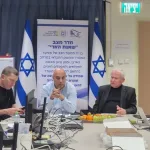
All resilience centers currently operating across the country – in the Gaza Envelope communities, Judea and Samaria, Ashkelon, Netivot, the Eastern Galilee, the Western Galilee, as well as the Bedouin center and the national center – will continue to operate throughout 2026. The government approved today (Sunday) the proposal of the Ministry of Health, aimed at strengthening the civil resilience of Israel’s residents and emergency preparedness. The proposal was submitted by Prime Minister Benjamin Netanyahu, Health Minister Haim Katz, and Minister in the Ministry of Finance and Minister responsible for the rehabilitation of the north and south, Ze’ev Elkin.
The Ministry of Health will allocate NIS 33.6 million in 2026 for the continued operation of the resilience centers. Part of the budget will be transferred to the Ministry of Health from the budgets of other ministries, including the Ministry of Welfare and Social Security, the Ministry of Education, the Ministry of Defense, the Ministry of Interior, the Ministry of National Security, the Prime Minister’s Office, and the Ministry of Aliyah and Integration. These budgets are in addition to funds already approved under previous government decisions, such as the program for the development and rehabilitation of the city of Ashkelon and the program for the development and rehabilitation of the western Negev.
In addition, the Ministry of Health will allocate NIS 30 million to further expand the activity of the resilience centers, in accordance with the centers’ approved annual work plan. An additional NIS 15 million will be allocated through the Tnufa Administration to advance a program for the rehabilitation and development of the north following the War of Revival, in order to reinforce the activity of the resilience centers in the north, which are part of addressing the return of northern residents to their homes.
In the proposal submitted to the government, the Ministry of Health noted that Israel’s ongoing security challenges affect, among other things, the mental resilience of the population. Under these circumstances, a professional methodology was developed in Israel to strengthen mental and community resilience, focusing on the human and psychological aspects arising from emergency situations and what is defined as an “emergency routine.” This methodology includes the provision of trauma-focused mental health care, aimed at helping individuals, families, and groups return to emotional balance and functioning, and preventing the development of chronic post-traumatic stress.
The resilience centers also work to strengthen community resilience, enhance municipal coping resources, and prepare for emergency situations. As part of this effort, the centers maintain active collaboration with education and welfare professionals regarding work with youth and other populations, under structured intervention programs and joint policy documents developed by the relevant professional bodies in the partner government ministries.
The Ministry of Health states that the resilience centers are a highly significant component in strengthening the capacity of local authorities to support population resilience at all stages of emergency response. This requires organizational structures and models adapted to different regions, the size of local authorities, and various sectors of Israeli society.
Currently, 15 resilience centers operate in Israel: five municipal centers serving the Gaza Envelope communities; four regional centers in judea and Samaria; one regional center serving the Bedouin community in the south; municipal resilience centers in Ashkelon; a regional center in Netivot, Bnei Shimon, and Merhavim; a center in Ofakim; and the national resilience center. In addition, two centers operate under agreements with local authorities: a resilience center in the Eastern Galilee cluster and a resilience center in the Western Galilee cluster.
The government decision that was approved states that the operation of the resilience centers will be carried out in accordance with the policy of the inter-ministerial steering committee, led by the Ministry of Health and including representatives of the partner ministries.
Health Minister Haim Katz said: “The resilience centers provide professional and accessible mental health support to the population and constitute vital infrastructure for strengthening community resilience and maintaining continuity of care. Continuing their operation and expanding their activity in 2026 will ensure the availability of high-quality treatment on the ground, strengthen the coping capacity of communities and local authorities in areas that have been persistently affected, and help the population return to full functioning, in routine times and in emergencies.”
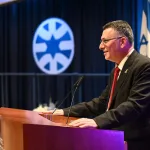
Minister in the Ministry of Finance responsible for the rehabilitation of the north and south, Ze’ev Elkin, said: “Continuing the expanded operation of the resilience centers in the north is an integral part of national rehabilitation and restoring the sense of security of area residents. Therefore, the Tnufa Administration mobilized to bring a dedicated budget of NIS 15 million to strengthen the activity of resilience centers in northern Israel. After long months of fighting and security challenges, we are committed not only to rebuilding homes and infrastructure, but also to strengthening the mental and community resilience of citizens. We will continue to work together with the Ministry of Health and local authorities to ensure that Israeli citizens receive professional support, both in routine times and in emergencies.”
Director General of the Ministry of Health, Moshe Bar Siman Tov, said: “The resilience centers are vital national infrastructure for strengthening the mental and community resilience of Israel’s citizens and are a central component of public preparedness for coping with emergency situations. Their continued operation in 2026 reflects the commitment of the Ministry of Health and the entire government to provide professional and accessible support to populations dealing with complex mental challenges following the war, in full cooperation with government ministries and local authorities. This investment is a direct investment in our national resilience and in strengthening our preparedness for emergencies.”
