
By Pesach Benson and Omer Novoselsky • March 11, 2026
Jerusalem, 11 March, 2026 (TPS-IL) — A revolutionary cancer treatment is showing promise in the fight against Alzheimer’s disease, offering hope for millions worldwide affected by neurodegenerative brain disorders such as Parkinson’s disease, ALS, and multiple sclerosis, a team of Israeli and U.S. scientists said.
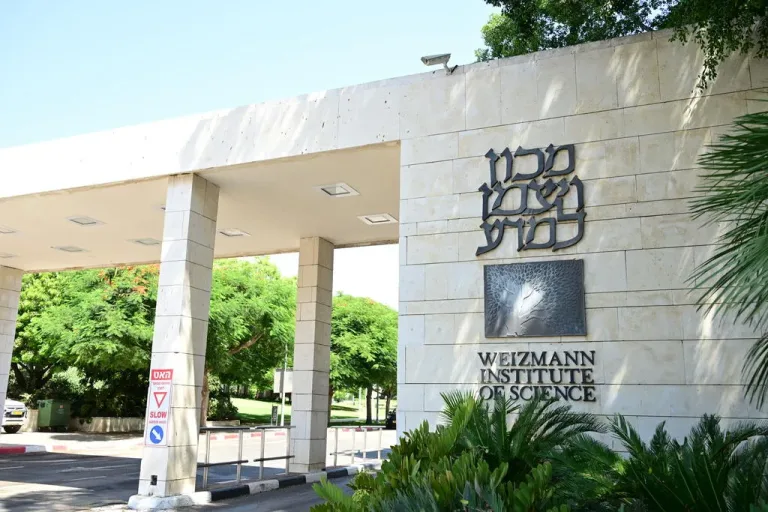
Researchers from the Weizmann Institute of Science in Israel and Washington University in St. Louis adapted a medical treatment called Chimeric Antigen Receptor T‑cell therapy (CAR-T therapy) to target harmful protein deposits in the brain, marking a potential breakthrough for patients. CAR-T therapy involves extracting and genetically reprogramming a patient’s own immune cells to recognize and attack specific harmful targets in the body, such as cancer cells or toxic proteins. The T cells, once reprogrammed, are referred to as CAR T cells.
The approach was pioneered more than three decades ago by the late Prof. Selig Ashhar, who transformed leukemia treatment. The new adaptation represents the first attempt to apply CAR-T to a neurodegenerative disorder.
The scientists removed T cells from healthy mice, engineered them to recognize amyloid-beta proteins, and injected them into animals already exhibiting brain deposits characteristic of Alzheimer’s. The results were striking: amyloid plaques decreased significantly, alongside a reduction in markers of inflammation in brain tissue.
To better understand the implications, TPS-IL spoke with Rotem Shalita, a graduate student in the Systems Immunology department at Weizmann, who was involved in the research.
“Alzheimer’s disease is one of the biggest unmet medical challenges today,” Shalita told TPS-IL. “Millions of people are affected worldwide, yet most treatments only modestly slow progression. In our study, we explored a completely different strategy: harnessing the power of the immune system. CAR T cells are engineered to recognize and respond to specific targets. Our work shows these cells can enter the brain, remove harmful protein deposits, and reduce inflammation—opening the door to a new type of therapy for neurodegenerative diseases.”
She added that while reductions in amyloid plaques were significant in the mouse model, the ultimate goal is halting or reversing cognitive decline.
“We’re now studying how CAR T cells interact with other immune cells in the brain,” Shalita said. “We hope to show the therapy doesn’t just remove plaques but reprograms the brain toward a healthier, more reparative state.”
Unlike existing treatments, which rely on antibodies to clear amyloid plaques, CAR T cells are living drugs capable of actively seeking targets and responding dynamically. “They may even infiltrate the brain and release molecules that repair tissue or reduce harmful inflammation,” Shalita explained. “This flexibility could allow CAR T cells to address multiple aspects of the disease simultaneously.”
The research team is also exploring applications for stroke, multiple sclerosis, and other neurological conditions, highlighting the potential of CAR-T as a versatile platform for brain therapies. The next phase aims to enhance CAR T cells’ ability to deliver therapeutic molecules directly inside the brain and ultimately demonstrate meaningful improvements in brain function and cognition.
Prof. Ido Amit, who heads Weizmann’s Department of Systemic Immunology, stressed that the potential of CAR-T therapy extends beyond Alzheimer’s.
“In future studies, we expect to demonstrate the use of engineered immune cells in rehabilitation from acute brain injuries and in promoting neural repair and regeneration,” Amit said. “This could position CAR-T technology as a broad platform for brain disease treatment—from cancer to stroke to chronic degenerative disorders.”
The study was published in the peer-reviewed journal PNAS.