

















Breaking Update
Ministry of Health Guidelines and Health System Preparedness for Extreme Weather
Israel's Ministry of Health issues guidelines and ensures health system preparedness for extreme weather, urging public precautions.
Due to the winter weather from the incoming “Byron” weather system, which brings wind gusts, rain, and cold, the Ministry of Health has instructed hospitals and HMOs to prepare to continue providing medical services as needed.
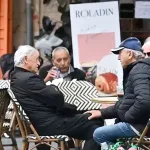
In addition, the Ministry of Health reminds the public of its guidelines and recommendations and urges older adults, as well as parents of infants and young children, to take precautions and follow several key steps to prevent health risks.
- At home—stay active to improve blood circulation and maintain body warmth.
- Heating—maintain indoor temperatures around 24°C, not below 21°C, and ensure proper humidity to prevent dry air.
- Ensure proper sealing of windows, doors, and other openings.
- Hydration—drink enough fluids (8–10 glasses per day unless medically restricted). Limit excessive caffeine and alcohol intake.
- Meals—eat smaller, frequent meals (5–6 per day) and avoid heavy meals. Warm food and drinks help maintain body temperature.
Consult a doctor if taking medications that increase sensitivity to cold (e.g., sedatives, antidepressants, certain pain medications) or if you have health conditions that increase cold risk (heart or lung diseases, cognitive decline/dementia, etc.).
Older adults living alone: maintain daily contact and ensure visits from family, friends, neighbors, or volunteers at least once a day.
To detect hypothermia in older adults, check if the home is cold and if the person is less active than usual. Early stages of hypothermia may be hard to notice:
- The person may not shiver or report feeling cold.
- Thermometers may not detect hypothermia, as they are designed to measure fever.
If hypothermia is suspected—signs include cold skin, pale or bluish skin, reduced alertness, confusion, or changes in breathing—seek medical help immediately.
More information on the Ministry of Health website
