
By Pesach Benson • March 16, 2026
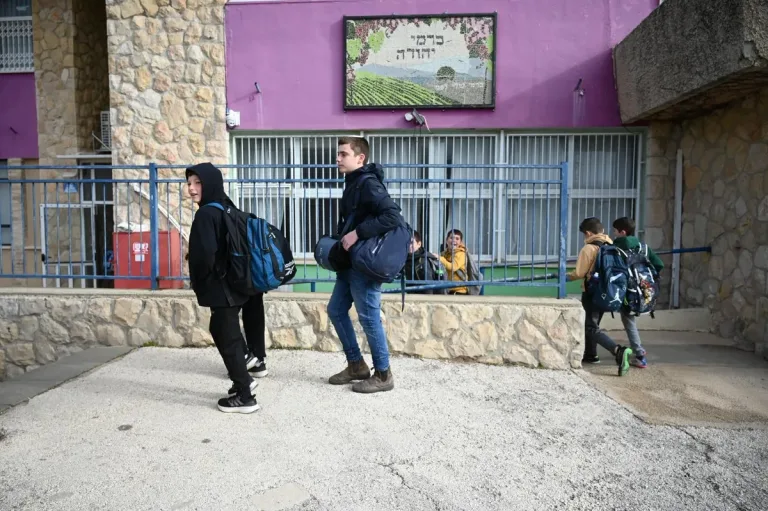
Jerusalem, 16 March, 2026 (TPS-IL) — After more than two weeks of nationwide closures triggered by Iranian missile attacks, Israeli students began returning to classrooms as the school system partially reopened on Monday.
Schools were shut across Israel on March 1, a day after Israel and the U.S. launched coordinated strikes on Iran. Israel’s Home Front Command simultaneously imposed emergency restrictions on public gatherings.
Authorities introduced a revised set of civil defense rules allowing limited educational activity in certain regions assessed as facing a lower risk of attack. Under Israel’s color-coded emergency system, these areas have been classified as “yellow,” indicating that some daily activities can cautiously resume. Those areas included the Beit Shean Valley in northern Israel, parts of southern Israel including communities near the Gaza border, and schools in Judea and Samaria.
Schools in those locations may reopen only if they have adequate protected spaces capable of sheltering all students and staff during a missile alert.
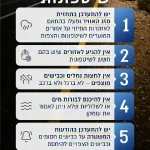
Under the updated guidelines, schools that do operate must be prepared to respond immediately if air-raid sirens sound. Teachers are required to escort students to designated shelters and remain with them there until authorities determine it is safe to resume activities. Educational institutions are also expected to rehearse the routes students must follow to reach protected spaces quickly, ensuring that children know exactly where to go if a missile warning is issued during the school day.
The revised rules also permit limited gatherings in these lower-risk areas. Outdoor events of up to 50 people and indoor gatherings of up to 100 people are allowed, provided participants have access to a nearby protected shelter.
The reopenings will be brief, however, as schools are scheduled to close for the annual Passover break.
However, schools remain closed in Jerusalem, Tel Aviv and Haifa, which are considered more exposed to potential missile fire.
The continued closure of schools in major cities drew criticism from some parents and local officials, particularly because many workplaces have already resumed operations in parts of the country. Critics argue that the situation places a heavy burden on families who must balance work with supervising children at home.
Government officials say the staggered reopening reflects security assessments and is intended to reduce risk while restoring some level of routine.
Even in areas where the Home Front Command has authorized schools to reopen, several municipalities decided to delay in-person classes, saying the security situation remains unpredictable.