















By Pesach Benson • February 15, 2026
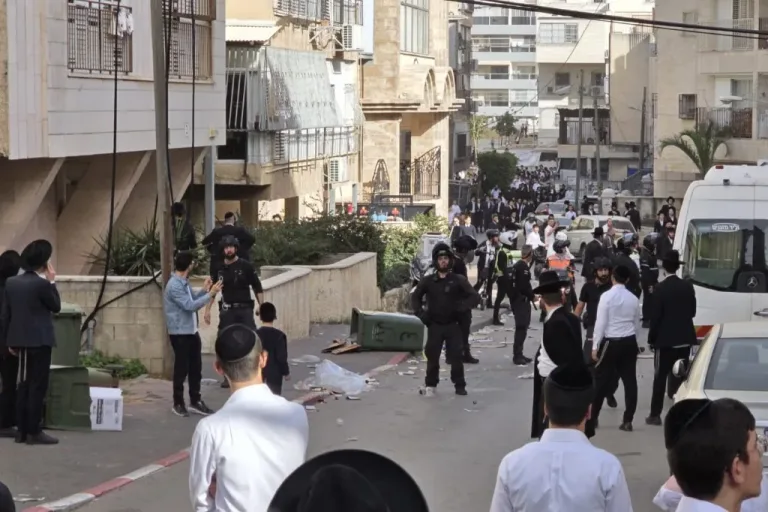
Jerusalem, 15 February, 2026 (TPS-IL) — A mob of Orthodox (Haredi) men chased two female Israel Defense Forces servicewomen through the streets of Bnei Brak on Sunday, overturning trash cans and a police vehicle before officers managed to extract the soldiers to safety. The incident, which was captured on video and widely circulated on social media, sparked fierce condemnation across Israel’s political spectrum.
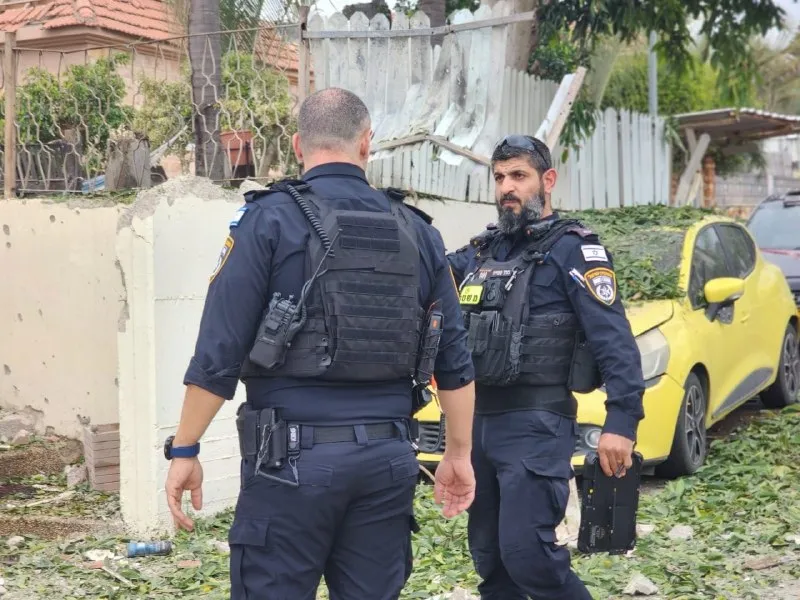
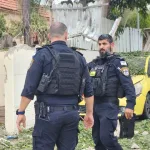
According to police, the two soldiers, who serve in the IDF’s Education and Youth Corps, were in Bnei Brak as part of a welfare home visit to one of their soldiers. They were not military police, despite claims circulating online, the IDF said. Footage shows the women running alongside police officers as a crowd of men follows, shouting and blocking the street. At one point, rioters overturned trash cans and damaged a police car as officers attempted to clear a path.
Police said the situation was brought under control within a short time and confirmed that the two servicewomen were not physically harmed. The police said 12 people were arrested.
prime minister Benjamin Netanyahu denounced the violence.
“I strongly condemn the violent riots in Bnei Brak against female IDF soldiers and Israel Police officers,” Netanyahu said. “This is an extreme minority that does not represent the entire Haredi society. This is serious and unacceptable. We will not allow anarchy, and we will not tolerate any harm to IDF and security forces personnel who do their jobs with dedication and determination.”
IDF Chief of Staff Eyal Zamir also issued a sharp rebuke. “Any harm to IDF soldiers committed by Israeli civilians is a serious crossing of a red line, and the attackers must be dealt with severely.”
Defense Minister Yisrael Katz echoed those remarks, calling the incident a criminal act. “Anyone who raises a hand against the security forces, IDF soldiers and women, and Israel Police officers crosses a red line,” Katz said. “Violence against uniformed personnel is a criminal act for all intents and purposes, not a protest.” He called on Haredi leaders to publicly condemn the attack.
Opposition figures were even more scathing, accusing the government of enabling an atmosphere of incitement. Opposition Leader Yair Lapid asked, “Who is Netanyahu more worried about: our soldiers or his coalition partners?” Lapid called for immediate arrests, saying it “cannot be that in the State of Israel, IDF soldiers and the police are being attacked,” and demanded that anyone involved in the violence be jailed.
National Unity chairman Benny Gantz described the images as a “moral low point,” saying they had “nothing to do with Judaism.” He warned that failure by Haredi lawmakers to condemn the attack could lead to further violence.
Integrating Haredi Jews into military life is one of Israel’s most politically sensitive issues, as the army faces manpower shortages.
In early February, IDF Chief of Staff Lt. Gen. Eyal Zamir signed a landmark order establishing formal guidelines for integrating Haredi Jews into military service. It marked the first time such arrangements were codified in an official General Staff order.
Haredi military service has long been contentious in Israel, where most Haredi men have traditionally been exempt from the mandatory draft to pursue religious studies. The issue has intensified since Hamas’ October 7, 2023, attack on southern communities. Strained by two years of war and extended reserve duty, the army projects it will lack 17,000 soldiers starting in 2027, as troops who enlisted for shortened 30-month terms begin completing service.
The military began making plans to draft yeshiva students after Israel’s High Court of Justice ruled in 2024 that exemptions for the Haredi community were illegal.
Military service is compulsory for all Israeli citizens. However, Israel’s first Prime Minister, David Ben-Gurion, and the country’s leading rabbis agreed to a status quo that deferred military service for Haredi men studying in yeshivot, or religious institutions. At the time, no more than several hundred men were studying in yeshivot.
Related Topics