
























By Pesach Benson • January 28, 2026
Jerusalem, 28 January, 2026 (TPS-IL) — A new international study reveals that a wave of sea urchin mass mortalities sweeping across the globe may be driving local extinction in some regions, Tel Aviv University announced. Alarmingly, scientists found that one species is no longer producing offspring.
The study, conducted by an international consortium including scientists from Tel Aviv University, Spain, and the Canary Islands, was published in the peer-reviewed Frontiers in Marine Science. Prof. Omri Bronstein of Tel Aviv University, who leads the global effort to study sea urchin die-offs, said the findings are unprecedented in the Canary Islands.
“The die-off of the adult urchins has been so widespread that the species is no longer able to produce a next generation,” he said. “If no recruitment occurs, the species may disappear from the region’s ecosystem.”
Sea urchins reproduce by releasing eggs and sperm into the water, where fertilization produces planktonic larvae that eventually settle on the seabed and develop into juveniles. In the Canary Islands, this process has stopped entirely, marking an unprecedented stage in the species’ decline.
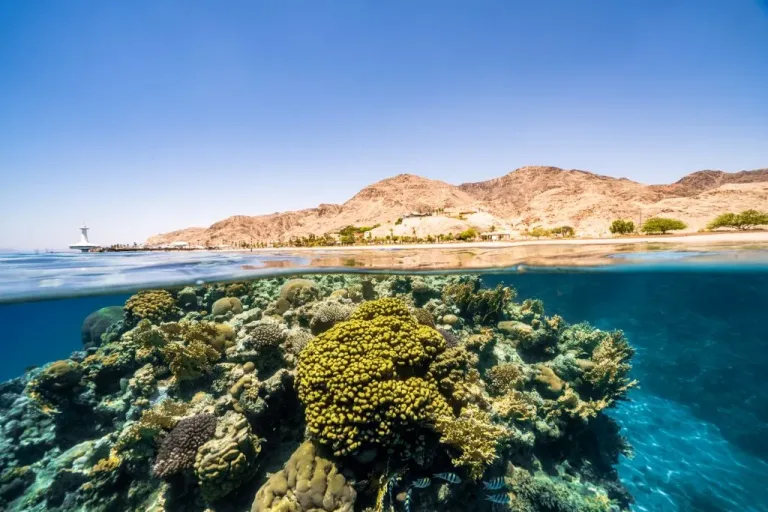
Sea urchins play a vital role in maintaining the balance of coral reef ecosystems by feeding on algae that compete with corals for sunlight. Their rapid decline poses a serious threat to reefs worldwide, which serve as nurseries and habitats for countless marine species, provide coastal protection, and help mitigate climate change by capturing carbon.
Mass Mortalities Highlight Global Threat
“In 1983–84, a mass mortality event of Diadema sea urchins was recorded in the Caribbean islands. With the sea urchins gone, vast algal fields spread, causing severe, irreversible damage to coral reefs. In 2022, another mortality event struck the Caribbean, and for the first time, the pathogen responsible was identified. This epidemic spread to the Red Sea by 2023 and reached the Western Indian Ocean, off Reunion, by 2024,” he said.
The Canary Islands event, researchers say, may represent a “missing link” in the disease’s global spread. Analysis of observational data, citizen science contributions, satellite imagery, and seafloor samples revealed that the die-off occurred as early as mid-2022, and the complete halt in reproduction distinguishes this episode from typical population fluctuations.
“The situation is far more severe than a transitional decline,” Bronstein said. “This appears to be an extinction event rather than a temporary dip in population. Algae could proliferate uncontrollably, potentially reshaping the entire ecosystem.”
The researchers warn that similar patterns may emerge elsewhere. Mass mortalities have already been observed along the Red Sea coast and the Gulf of Eilat. “We are concerned that what we see in the Canary Islands may be a precursor of wider ecological disruption,” Bronstein said.
Bronstein said the team is continuing to monitor populations and study the disease responsible for these mass mortalities. “Without urgent attention, the loss of Diadema sea urchins could trigger cascading effects across marine ecosystems, altering habitats that support countless other species,” he said.
Related Topics