


























Today, for the second time, the Ministry of Health is publishing the results of the service and care quality scores for internal medicine departments. The scores are designed to improve the quality of care and hospital services in these departments and encourage hospitals to keep improving.
The publication of the service and quality score model for internal medicine departments, which aims to incentivize hospitals to continue improving these departments, is also part of implementing the recommendations of the Tor Caspa Committee, established to enhance inpatient care.
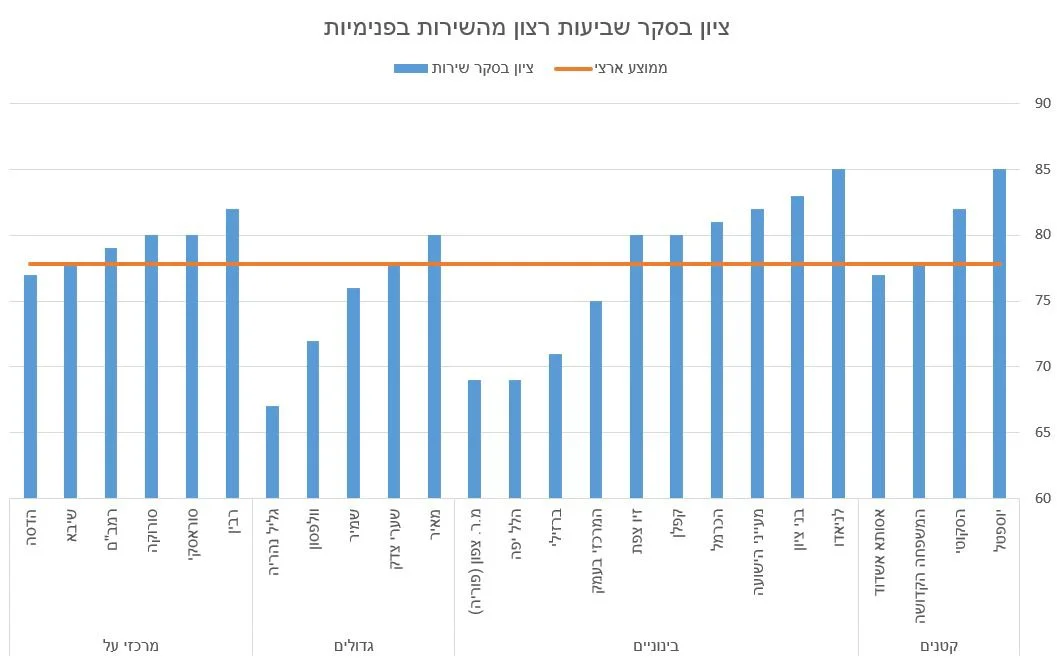
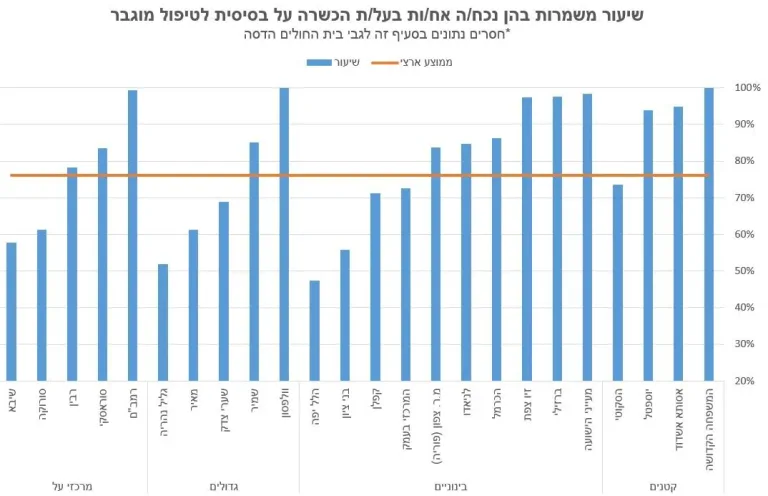
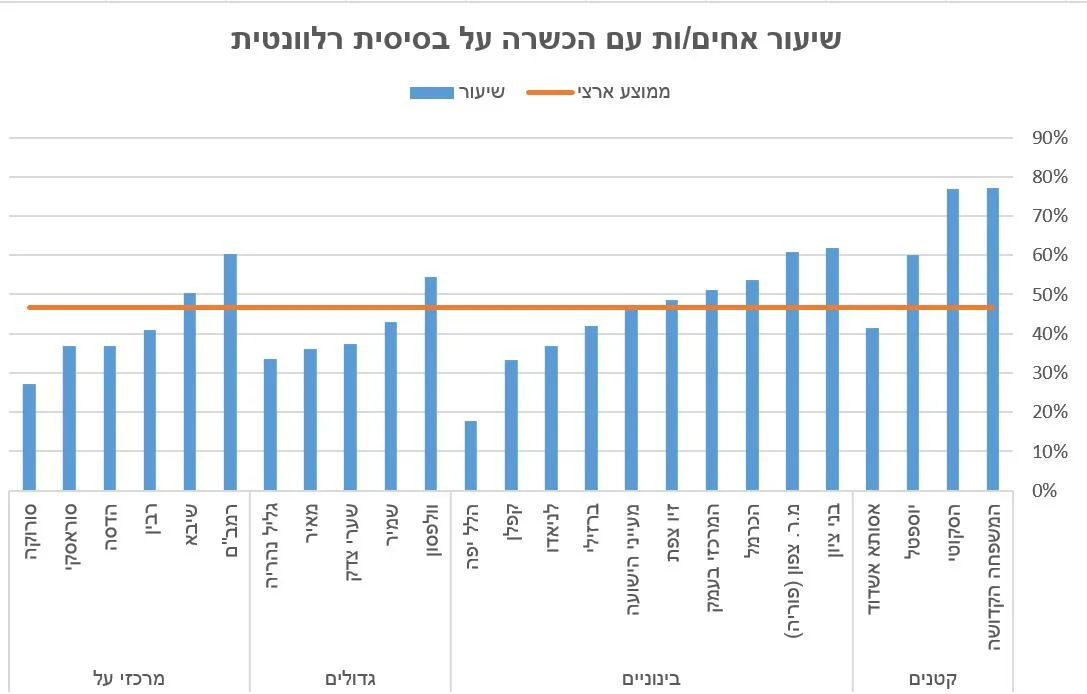
The published scores reflect hospitals’ performance on the following measures, each weighted according to its relative importance. The first four measures are based on 2024 data, and the last two on 2025 data.
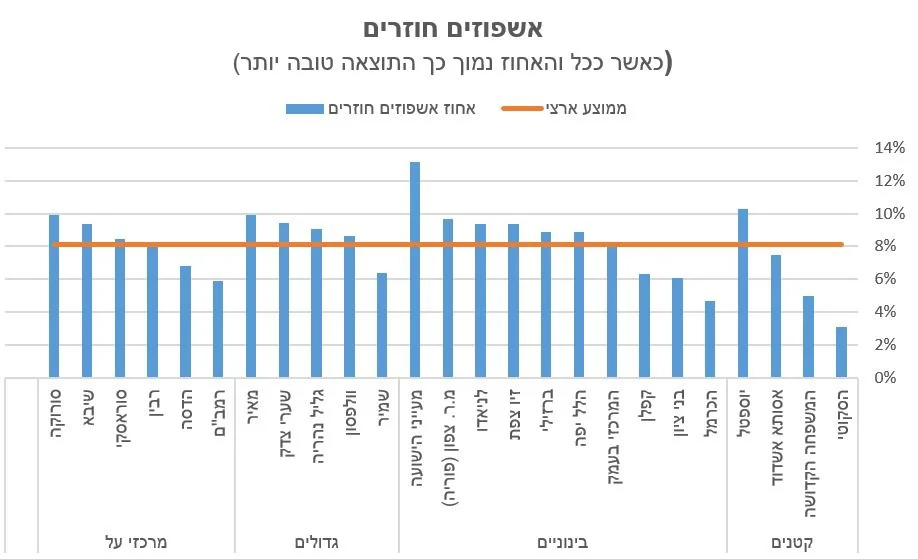
The goal of publishing hospitals’ performance on these measures is to show the public the quality of care and service in internal medicine departments. It also forms the basis for hospital rewards, totaling 90 million ILS this year.
The six measures used to calculate the scores are: Percentage of beds staffed by specialist and resident physicians (10% of the score); Shifts staffed by a licensed nurse trained in relevant basic courses (7.5%); Percentage of nurses who completed relevant basic courses for internal medicine departments overall (7.5%); Patient readmission rate within seven days of discharge from internal medicine, with lower rates considered better (25%); Patient satisfaction survey results conducted by the Ministry of Health, following last year’s pilot survey (35%); and Internal hospital processes to improve patient service (15%).
Dr. Hagar Mizrahi, Head of the Ministry of Health Medical Division: “Internal medicine departments are a central pillar of hospitals, playing a key role in treating complex patients and addressing challenges from an aging population. Each year, hundreds of thousands of patients are treated in these departments for a variety of medical conditions. High-quality care and service availability are critical for the health system’s ability to respond in both routine and emergency situations. The Ministry of Health will continue leading initiatives to expand and improve internal medicine services across the system.”
Neriya Stauber, Acting VP of Budgeting, Pricing, and Planning at the Ministry of Health: “The internal medicine score, which involved an investment of about 90 million ILS in internal medicine departments, reflects the Ministry of Health’s commitment to continuous investment and systematic improvement in care quality, hospital conditions, and strengthening these departments. The score is a key tool for incentivizing hospitals to continue improving service and quality, benefiting both patients and staff.”
Related Topics