























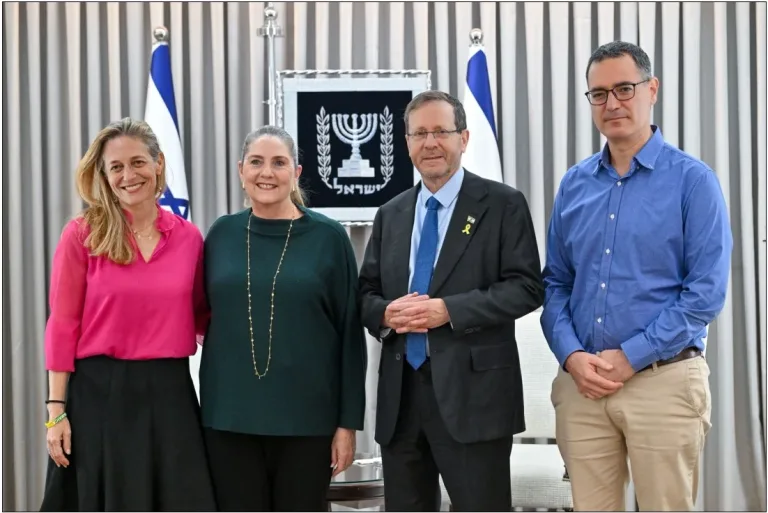
The event was attended by the Director-General of the Ministry of Health, Moshe Bar Siman Tov, Head of the Public Health Division at the Ministry of Health, Dr. Sharon Elroy Price, Deputy Director-General of the Administration for Strategic Planning and Economics at the Ministry of Health, Ayelet Greenbaum Arizon, Chairman of the Israeli Climate Forum, Dr. Dov Khenin, senior officials in the Israeli healthcare system including hospital and HMO directors, Ministry of Health district physicians, institutional climate officers, fellows of the “Shahar” program, and representatives of the Israeli Climate Forum.
The national program is designed to strengthen the resilience of the healthcare system, ensure functional continuity and optimal medical response even under changing conditions, and lead long-term systemic change for the health of the public and future generations. *The program’s main points address preparedness for extreme climate events and emergencies, protection of at-risk populations, training of medical teams, promotion of a green healthcare system and reduction of greenhouse gas emissions, strengthening food security, development of data infrastructure, monitoring and research, and increasing public outreach and awareness.*
Additionally, the “Shahar” program was launched for the first time, a unique climate leadership training program for the healthcare system, developed in collaboration with Ben-Gurion University and the Shael Center. It is intended for climate officers and managers leading the field in healthcare institutions. The program will commence next week with the participation of 25 representatives from across the healthcare system involved in public health. The training will provide scientific and practical knowledge on health and climate issues, including heat stress, zoonotic diseases, food security, water risks, sustainability, and emissions reduction, while simultaneously focusing on developing leadership skills, policy building, crisis management, and institutional change leadership.
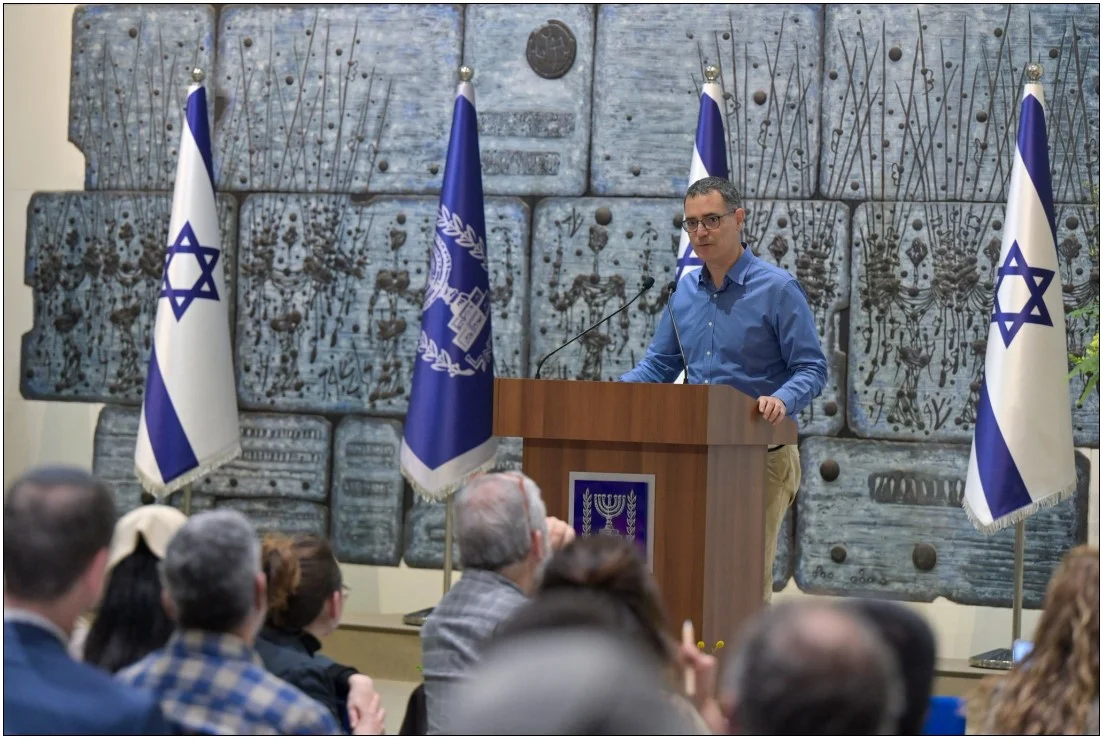
President of the State Isaac Herzog opened his remarks and addressed the departure of Dr. Elroy-Price: “Yesterday we were informed that Sharon plans to end her tenure as Deputy Director-General responsible for public health. This is an opportunity to thank you, and to bid you farewell – Michal and I have seen firsthand your exceptional work, your good citizenship, your leadership, and your courage to stand against critics and against people who dismiss and slander when you and your family are subjected to many harassments and threats. I want to thank you for your leadership and your professionalism and wish you great success in the next chapter of your career, thank you very much.”
The President of the State added: “It is not by chance that the World Health Organization has chosen to define the climate crisis as the greatest challenge to health in the current century. Two figures, perhaps more than any other, reflect the magnitude of the challenge: Firstly, according to the organization, between 2030 and 2050, an estimated 250,000 deaths worldwide are expected annually due to the effects of climate change. A quarter of a million people per year! It’s simply unbelievable.
And the additional, even more concerning figure: The number of people who could be affected by heatwaves worldwide, by the end of the century, stands at three billion people!

This requires all of us, including here, in our healthcare system, to promote early and broad preparedness to minimize harm to human life, to our quality of life, and to address all the factors that improve and enable our quality of life.“
Director-General of the Ministry of Health, Mr. Moshe Bar Siman Tov: “Climate change is a threat with a real impact on public health, on human lives, and on the ability of the healthcare system to cope with emergencies that are at the core of its work. Even in a small country with a healthcare system facing numerous challenges, we are not helpless; we have a real ability to influence, and above all, a duty to prepare and adapt the system to the changing threats.
The national program we are launching provides a comprehensive and long-term framework for action to strengthen the resilience of the healthcare system, ensure functional continuity under extreme conditions, and protect at-risk populations. The ‘One Health’ approach emphasizes that what is good for human health is also good for the environment and in general, and through investment in infrastructure, knowledge, people, and leadership, we can lead systemic change that will strengthen a prepared, resilient, and advanced healthcare system, for the health of the public and future generations.”
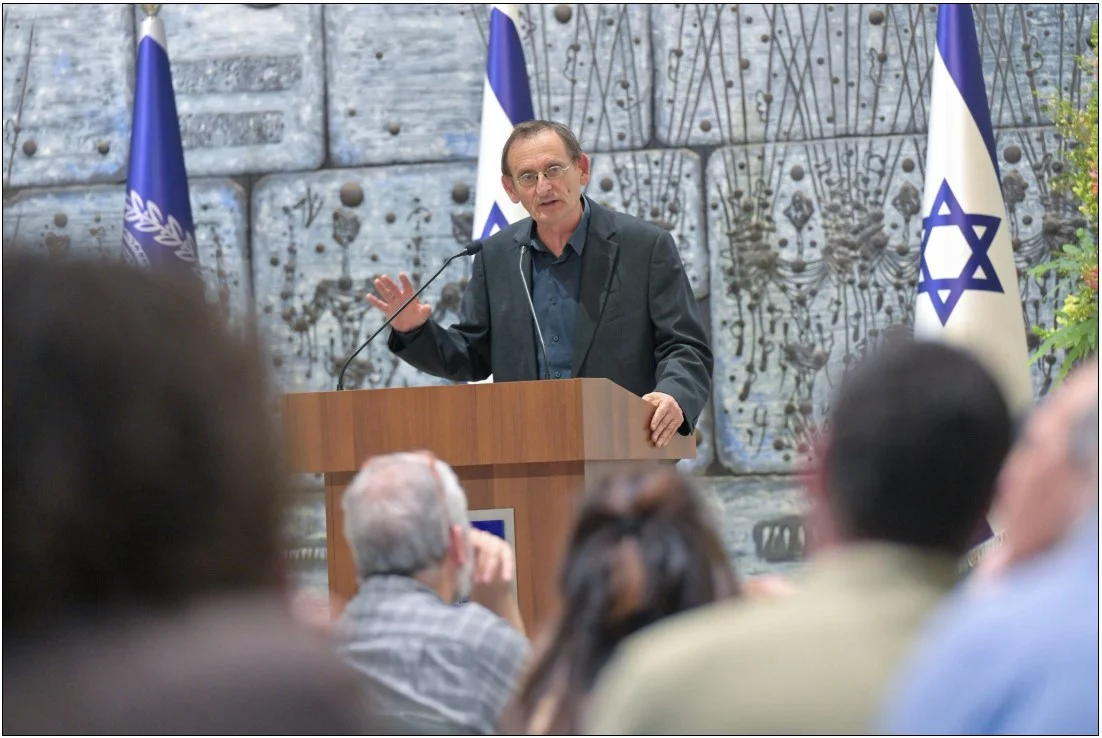
Head of the Public Health Division at the Ministry of Health, Sharon Elroy Price: “The Ministry of Health has a deep responsibility and commitment to protect public health and safeguard the citizens of Israel from one of the most significant threats to the healthcare system and to society as a whole, a threat that is no longer theoretical but is materializing before our eyes daily. Addressing it requires a transition from a reactive approach to proactive, planned, and long-term action. Only by building an organized national infrastructure, led by the Ministry of Health and in collaboration with all relevant government bodies, local authorities, and the healthcare system, can an effective, responsible, and life-saving response be ensured, which will protect public health and human lives.”
Deputy Director-General of the Administration for Strategic Planning and Economics at the Ministry of Health, Ayelet Greenbaum Arizon: “The climate crisis is no longer a future forecast, but a present health challenge that requires a managerial paradigm shift. The national program we are implementing is our strategic compass: it transforms the healthcare system into a system that actively leads preparedness for climate change. The combination of professional staff work and expert committees, unprecedented public participation of thousands of participants, and determined field leadership is what will enable us to ‘move the needle’ and ensure functional continuity so that even at the peak of a heatwave or an extreme climate event, every person will receive optimal medical care.
To succeed, we have engaged the entire management cadre of the system – from HMOs to hospitals – in a long-term commitment. My deep gratitude to the professional ministry team leading this issue – Adi Ben Mordechai, Dr. Isabella Karkis, and Dr. Adi Maimon, and to all the partners on the path who are leading this initiative with determination and professionalism.”
Dr. Dov Khenin, Chairman of the Israeli Climate Forum: “Like health crises, the climate crisis will hit us with immense force in the coming years. The healthcare system’s preparedness to protect our lives and health is essential and urgent. This includes both responding to protect people from extreme heat conditions, and changing the operations in hospitals and healthcare institutions to reduce emissions and pollution. I hope the conference at the President’s Residence marks the beginning of a genuine commitment to the great work required of all of us in this field.”
Related Topics