



















Knesset Press Release • August 5, 2025
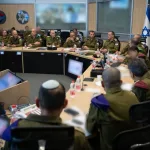
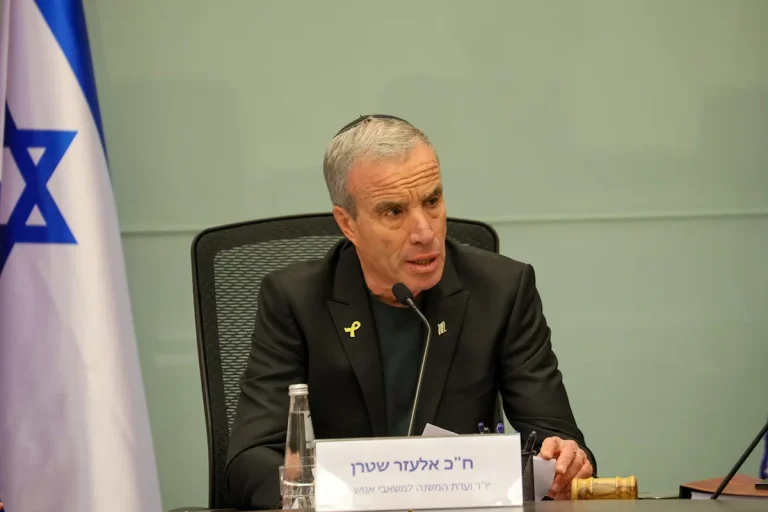
The Subcommittee for IDF Human Resources, chaired by MK Elazar Stern (Yesh Atid), convened on Tuesday to discuss the army’s efforts to prevent suicidality among service members.
Subcommittee Chair MK Stern opened the meeting, saying “What drew [our] attention was the unusual number of suicides recently. We’ve dealt with this issue in the past, but it resurfaced more intensely following the return of soldiers from the fighting in Gaza.
“With regards to this issue, there are two goals: The first is how to reduce the phenomenon. The IDF has experience with this issue. When taskforces had been formed in the past, the IDF managed to reduce the number of suicides by tens of percent. We must continue exploring what steps can be taken and how much space they are given within their families, society, and workplaces. The second goal is to offer a bit of comfort to the bereaved families, in terms of partial or full recognition of the deceased as fallen soldiers. If the defense establishment finds a way to do that, we would of course welcome it,” he said.
Neta, twin sister of Air Force navigator Maj. (res.) Asaf Dagan, who took his own life, said “I came to speak for those who do not seek help. I am not here to point fingers, but to be heard, so that we can learn from Asaf’s case and bring change. Asaf requested to see a mental health officer several times during his service. My mother called his commanders after noticing symptoms of PTSD. They responded empathetically but not professionally. They did not recognize that there was a wounded soldier before them—mentally wounded. A month before he died, my mother warned a senior Air Force officer that Asaf was going to commit suicide. All his commanders were aware, but there was no coordination between them. Those around Asaf understood and reported concerns. I ask the system to do everything possible to identify those who do not ask for help, and dedicate all the necessary resources for treatment. Awareness and institutional recognition can save lives. Suicide is not fate—[we have the power] to make a change. They were there for us, now it’s our turn to be there for them.”
Brig. Gen. Amir Vadmani, chief of staff for the IDF Personnel Directorate, presented data showing that 16 service members have taken their lives since the beginning of the year; 21 service members committed suicide in 2024; in 2023, there were 17 cases of suicide among IDF soldiers, and 14 cases in 2022. While the number of suicides among compulsory service soldiers hasn’t changed significantly, there has been a significant increase among reservists, he said, noting that the years 2024 and 2025 saw the mobilization of hundreds of thousands of reservists who had not served prior to the events of October 7.
Brig. Gen. Vadmani also stated that the number of mental health officers had increased to about 200 in regular army service and 800 in the reserves, and that a special committee had been established—under orders from the Defense Minister, Chief of Staff, and head the Personnel Directorate —to assess support for discharged soldiers not currently in active duty.
Brig.-Gen. Vadmani added” :The IDF takes the issue of suicidality very seriously and has worked systematically and continuously over the years to reduce and prevent such cases through a variety of tools and processes. Since October 7, our personnel have operated in various combat zones, and our support systems are being adapted accordingly—expanding, improving, and deepening in line with the times. We work in many ways to raise awareness in the army and to make support centers accessible. We’ve also established a dedicated committee to examine support for those leaving regular or reserve service. The reality is changing, and we must adapt. Every suicide case is one too many. Though overall numbers are rising, it is important to note that when examining individual cases, we cannot yet say that it is a wave. Still, we will keep monitoring—because this is about human life.”
Lt. Col. Dr. Carmel Kala, head of the Clinical Branch in the IDF Medical Corps, said “In light of the unique challenges emerging from the war, support services were expanded even before the war and continue to be developed. A 24/7 helpline has been established for service members. The Combat Response Unit, which provides support for reservists who are not in active service, has been expanded. The unit now includes dozens of professionals—therapists, psychologists, social workers, counselors—offering psychiatric services, group therapy and assistance with official recognition processes.
“The unit was significantly expanded during the war. Wait times are relatively short—around one to two weeks. A new branch has been established for soldiers with PTSD symptoms, and the permanent center for soldiers in standing army service was expanded. The number of mental health officers in both regular and reserve forces has increased considerably during the war. They are deployed widely in all IDF units, and even enter combat zones when necessary, particularly in Gaza,” Dr. Kala said.
MK Kathrin Shitrit (Likud) said, “As someone who has been exposed to troubling data and the expected trends, [as a members of the] Caucus for Mental Health and Suicide Prevention, I warn that we are facing a tsunami. It is unacceptable that we do not receive concrete data from the army regarding the number of referrals to military mental health assessment committees. Our best sons and daughters carry a heavy burden even after leaving the battlefield. We do not have the privilege or time to wait. I demand that the army establish a committee with authority and clear goals—with full transparency.”
Subcommittee Chair MK Stern concluded: “There is an impressive system we weren’t fully aware of—but there is still room for improvement. I was glad to see the IDF representatives listening closely. Sadly, we cannot prevent trauma, but we can ensure no one faces it alone. Psychological support is a moral duty. It literally saves lives.”