
The Labor and Welfare Committee held a discussion on the IDF’s handling of individuals with mental health challenges. The discussion focused on two main areas: firstly, the IDF’s treatment of prospective recruits with mental health challenges, and secondly, the automatic freezing of reserve service for soldiers recognized as suffering from post-traumatic stress disorder (PTSD).
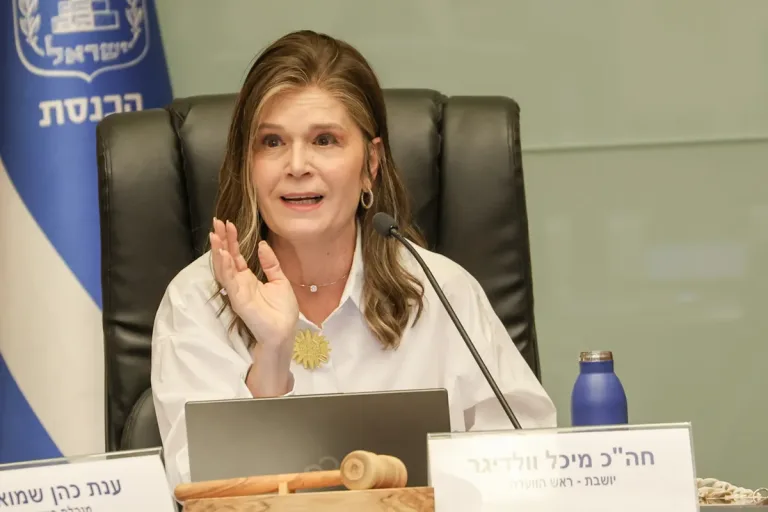
At the beginning of the discussion, Committee Chair MK Michal Waldiger stated: “We are in a complex period where it is clear that the IDF must utilize all its available human resources and act wisely regarding the enlistment or release of soldiers. Nevertheless, I am receiving inquiries that indicate problematic conduct in two opposing areas. On one hand – prospective recruits who are dealing with mental health issues, some already recognized by the National Insurance, who are forced to undergo numerous bureaucratic hurdles and ordeals during the recruitment and absorption processes. Sometimes they are enlisted despite it being clear to everyone that they are not suitable and may find themselves in military prison or classified as deserters or draft dodgers, a process that harms them and also leads to a great and unnecessary waste of army resources. On the other hand, inquiries are coming from experienced and determined reservists who want to continue serving in the reserves, but their service has been frozen because they were recognized as having PTSD, even though no one has determined that they cannot serve, or that they endanger themselves or others. Such a situation not only harms the army’s manpower but may also prevent soldiers experiencing emotional difficulties from seeking treatment in the future for fear they will not be able to continue serving. The combination of these two issues creates a feeling that some things are being done perhaps ‘automatically’ and that changes or improvements are needed, all with the aim of assisting the IDF in fulfilling its sole and central mission – to protect the State of Israel and its citizens, and if possible, alongside this, to continue to be a unifying body that leads to social equality, empowerment, and integration into society.”
Brigadier General Amir Vademani, Head of the Manpower Directorate’s Planning Division and Head of Personnel in the IDF, stated regarding the treatment of prospective recruits with mental health challenges: “The IDF’s goal is, of course, to enlist as many people as possible and to do so with the wisdom and sensitivity required for various populations. We receive data from the National Insurance and the Ministry of Health, and we allow prospective recruits to upload or present relevant documents and information themselves. In recent years, we have significantly expanded the presence of mental health officers in units and recruitment offices to provide a response and reduce waiting times for those slated for enlistment, as well as for active-duty, career, and reserve soldiers. These matters are forwarded for professional review, and they determine, based on a medical assessment, whether a person is fit for enlistment or not. Things are very organized. If there are irregular cases, we would be happy to receive their details to investigate and provide answers.” Regarding the freezing of reserve service, he explained: “We are not preventing people from performing reserve duty. Anyone with over 30% disability enters a freeze, understanding that these are significant disability percentages and that an examination is necessary. Many of the soldiers who have been ‘frozen’ are undergoing the required examinations and return to service within a short period.”
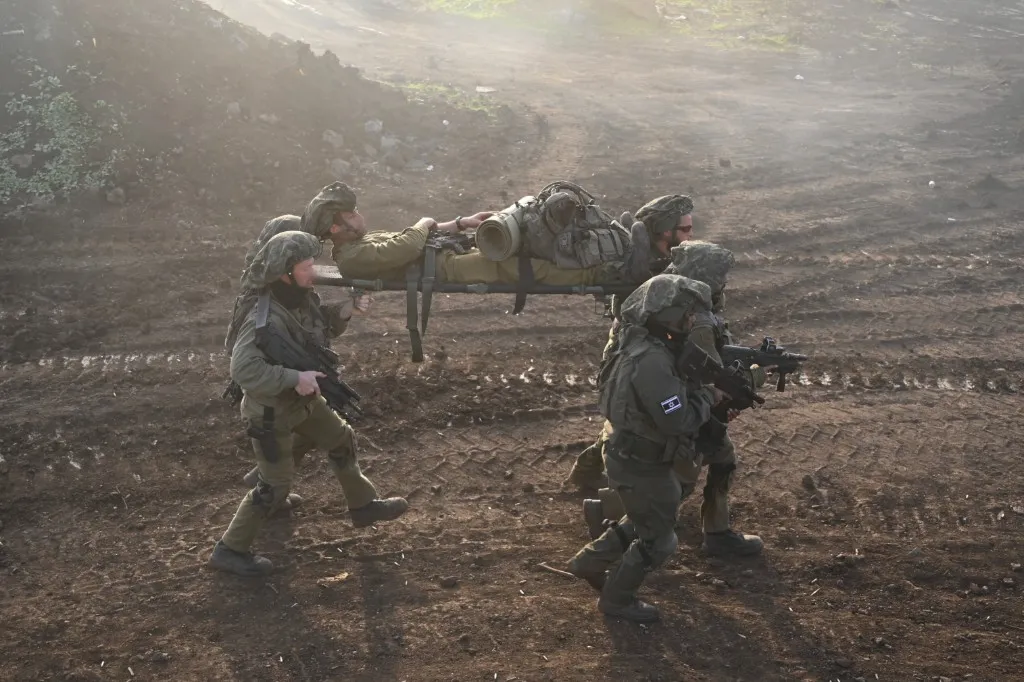
Several reserve soldiers who attended the discussion described emotional difficulties resulting from the freezing of their service, as well as the manner of notification – via SMS. Amit Maoz, a disabled IDF veteran, recounted: “I was severely wounded in Lebanon almost 20 years ago, and the most important thing to me was to return to my friends, to who I was before. This happened after 3 months. I returned to the army, went to officers’ course, and to this day I serve in the reserves despite all the difficulties. I work full-time, and simultaneously manage an NGO, living a full life with PTSD. I am exceeding 400 reserve days in this war, so I am trying to understand how, after 20 years, you remember to tell me via SMS on Memorial Day eve that I can no longer serve? I returned after people I served with fought for me. We are disabled, but we are not volunteers. We are fighters who come when needed, ready and willing to fight. Our commanders are willing to accept us, and there is no reason in the world why we should not serve.”
Avichai Levi, a combat-traumatized soldier: “The State of Israel has failed in the rehabilitation of combat-traumatized soldiers, but we are not here to beg for charity. I have completed 370 reserve days since October 7th. In Gaza and Lebanon, I sleep better than I do at home. There, I can talk to other soldiers with my eyes, without speaking, because they know what I went through. So how do you take this treatment away from me? I submitted a request to return two months ago. My friends are now in Lebanon. My body itches every night, and I want to be there with them.”
Professor Eyal Frochter, Chairman of the National Council for Post-Trauma, stated: “30% disability is an indicator of significant functional impairment. There are those who can serve, and it can even save them, but the sweeping decision to automatically freeze service is made for the benefit of the disabled and those with challenges, not against them, because previously, individuals who should not have been enlisted were enlisted. There are those who, upon encountering trauma in the field, could freeze and endanger themselves and the unit, or whose repeated exposure to trauma could worsen their condition, so it is right to examine these matters.”
Shamir Benita, Forum of Combat-Traumatized Soldiers: “We try to return to life every day, all the time. The army is also part of our rehabilitation. It sent us to combat, and it also has responsibility. I stand behind the decision to implement the freeze and return people. I have returned, and I know many who have returned. It is a correct and welcome step, but it must be combined with knowing how to talk to people. You explain everything here logically and frankly, but your NCOs and commanders in the field are 19-year-olds, some of whom lack the life experience, education, and sensitivity to talk to disabled soldiers and combat-traumatized individuals, and they treat us shamefully.”
Rivka Leon Zada, from the Social Workers’ Union, stated regarding prospective recruits: “We are aware of quite a few cases in the field of young men and women with a clear medical diagnosis of mental illness or severe anxiety, where it is very clear to professionals that their place is not in the IDF, but sometimes, even after a long process, they do not receive a mental health exemption. They enlist, sometimes are discharged shortly after, sometimes end up in prison because they are not suitable. They are required to provide more and more approvals. I understand that the IDF is a large organization and has system needs, but this process causes psychological damage to these young people.”
In conclusion of the discussion, Committee Chair MK Waldiger requested that the army re-examine the procedures regarding both the treatment of prospective recruits with mental health challenges and reserve soldiers, with an emphasis on the method of notification and explanation of the service freeze and its implications.
Reserve soldiers whose service was frozen due to PTSD recognition request to return to service: “I sleep better in Gaza and Lebanon than at home”
Topic dossiers
Related Topics