















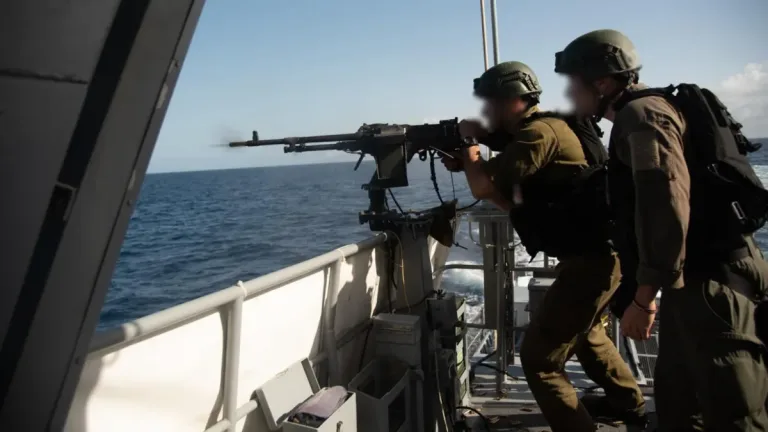
A number of naval patrol boats depart from Ashdod base, sailing along the southern coastline through Israel’s territorial waters. The crews on board practice a variety of drills: securing, launching and retrieving inflatable boats, towing, and more. This tranquility is interrupted by a radio call: “A number of enemy boats have breached the maritime border, and your mission is to stop the attack.”
This is how the training of the fighters of the ‘Trigon’ commando unit began last week. It was designed to simulate an emergency scenario and ensure high readiness to deal with it – which was, of course, tested with complete surprise. “Our mission as commanders is to train the crew and refine procedures in real-time,” but even we were surprised by the simulation, and didn’t know where the enemy would sail from or to,” admits Captain Sh’, commander of a patrol boat in Flotilla 916, who participated in the exercise.
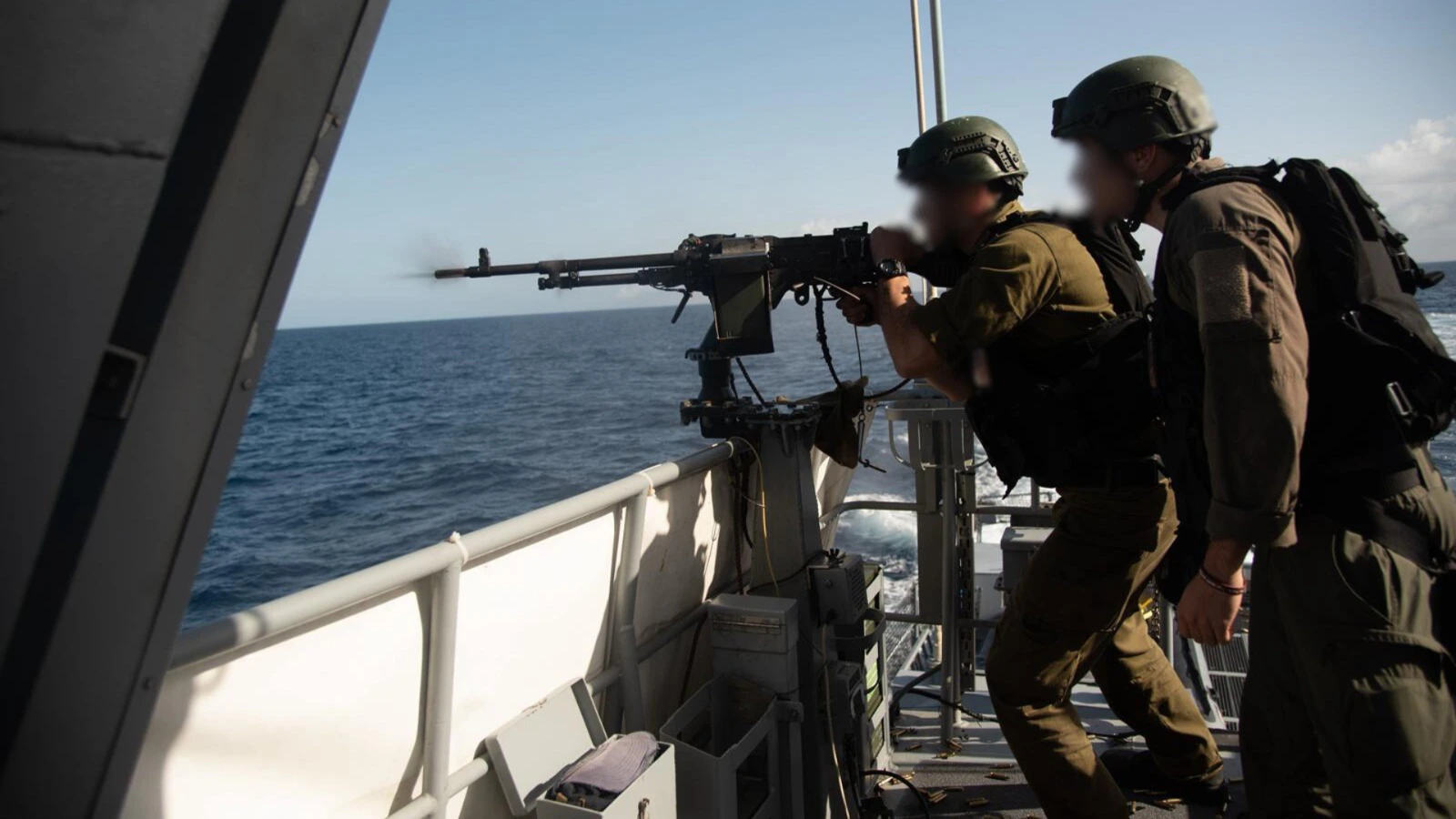
Remember the small boats that were launched into the sea before the incident? They also had a unique role in the commando unit’s exercise. “These boats simulated the ‘red team’ that infiltrated our territorial waters,” she explains.
This part of the exercise focused on identifying and reaching a target, as well as hitting a moving target. “In reality, almost no target stays in place – so shooting at a moving object vividly illustrates the operational reality. This is a challenging capability that we emphasized strongly in training,” explains Sergeant A., a fighter in Flotilla 916.
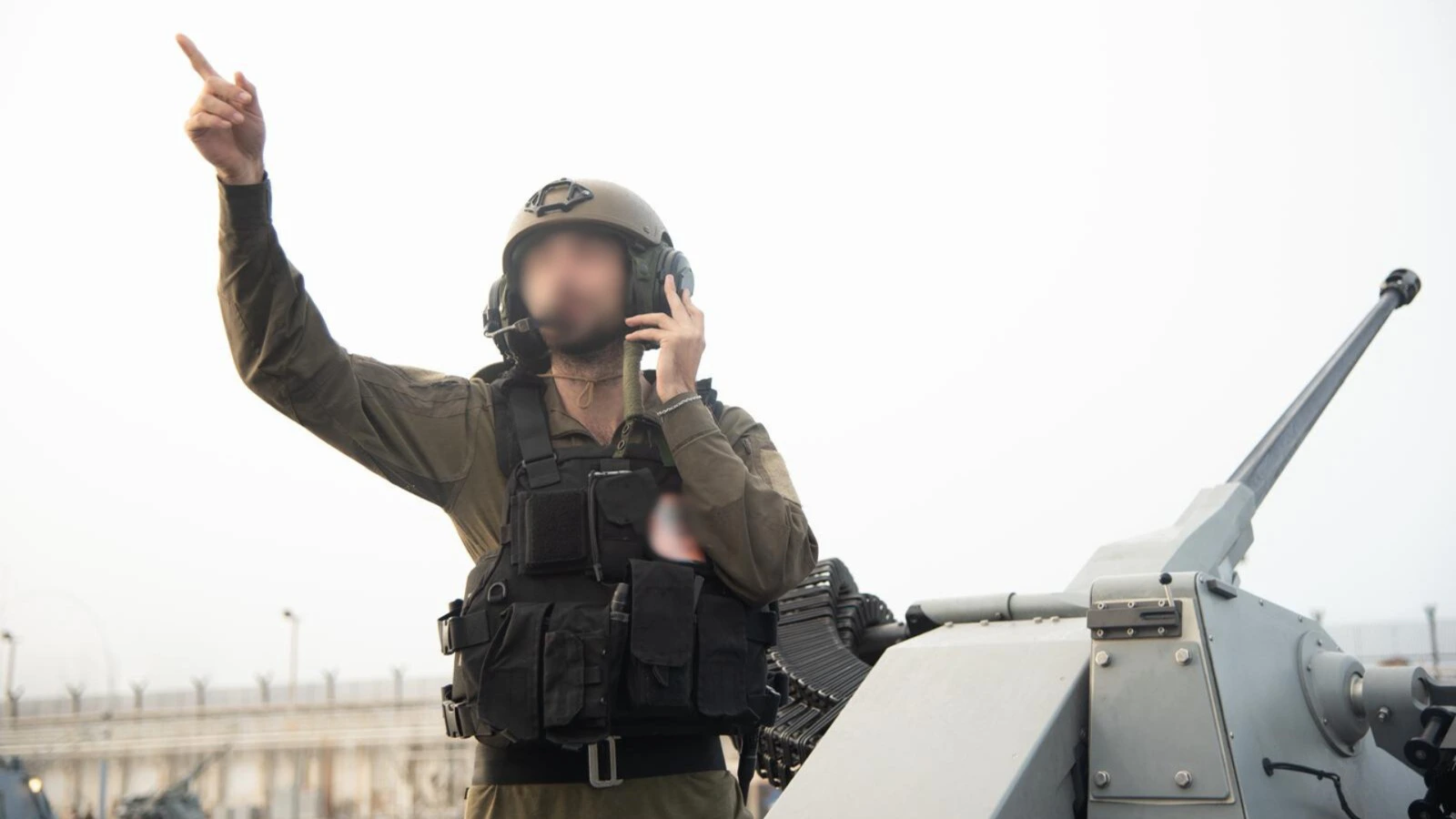
The shooting practice continued later in the exercise when information was received about a threat on the coast – which the crews were required to neutralize. “To approach something like this requires rapid intelligence coordination (Combat Intelligence Center) that synchronizes all the assets,” explains the commander.
Training of this kind does not happen in a vacuum, but receives support from all relevant units. Among them is the control unit, which directed the assets and oversaw all the engagements and emergent events. Just as the female and male fighters on the ships were trained, so too were the control capabilities of the controllers at Ashdod base sharpened.
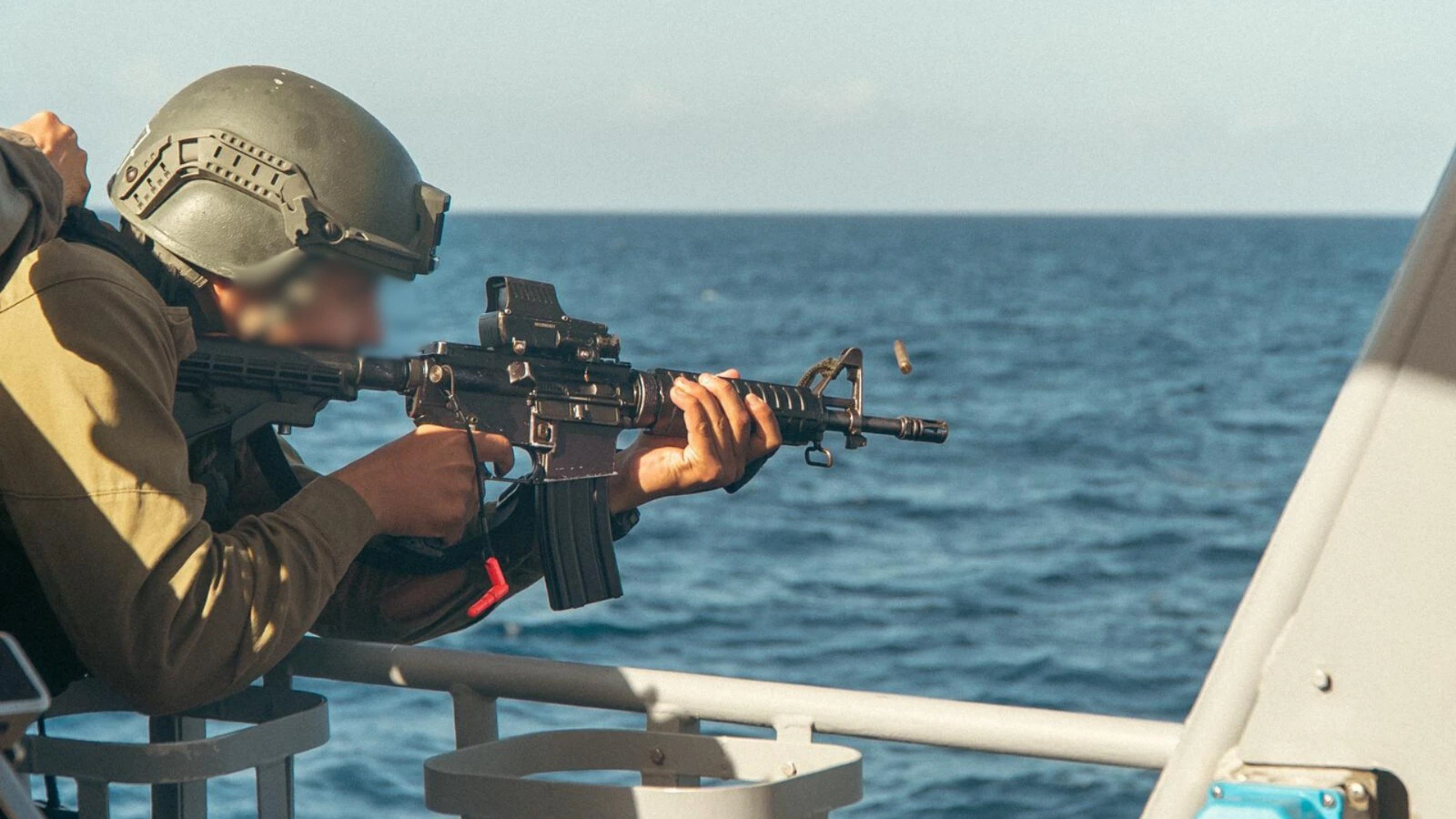
I catch the patrol boat commander and her soldiers just as they are returning from an educational day in the Gaza envelope. When I ask them about the importance of maintaining their fitness, they find the answer quite easily: “When we spoke with one of the survivors of the massacre at Zikim beach, and with residents of Kibbutz Kfar Aza, we understood that we are facing those we are protecting. When you identify small boats sailing north, even when you know it’s ‘just’ a drill, it affects you mentally.”
Indeed, a significant part of the exercise is working on mental readiness for such events. “We work a lot on the sequence of actions in the operational procedures for hostile events, this creates rapid responsiveness which is what we aim for,” states Captain Sh’. “Thanks to such training, I can understand the professional level of each fighter on the team, and how we will all function together in real-time. Fortunately, drill after drill – I have seen that we have someone to rely on.”
Related Topics