














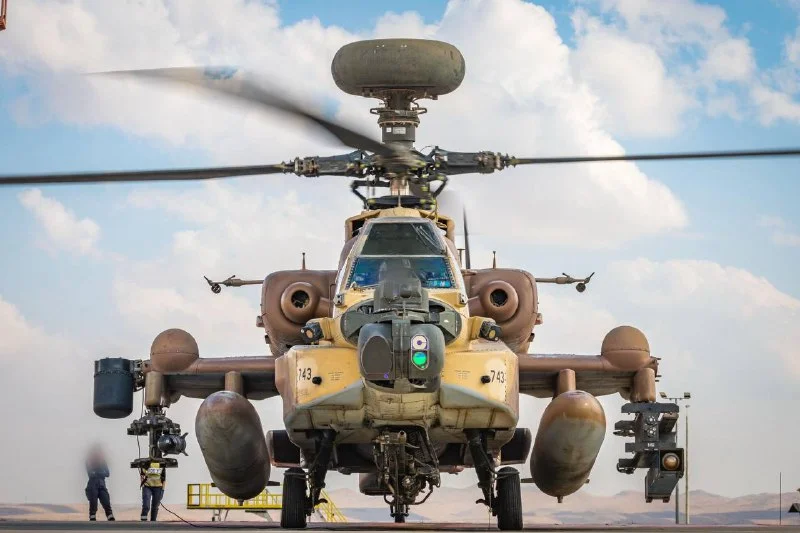
When the ‘Apache’ helicopter takes off during the ‘Air Week’ of the Multi-Dimensional Warrior training, only one ground combatant communicates everything happening in the field to the helicopter crew, acting as the eyes and ears for his comrades on the ground. Around him, the rest of the combatants operate quietly: lying low, observing, and ensuring that everything said over the radio is based on an accurate situational picture. These crucial minutes are just the tip of the iceberg – behind them stand 5 full days, built step by step.
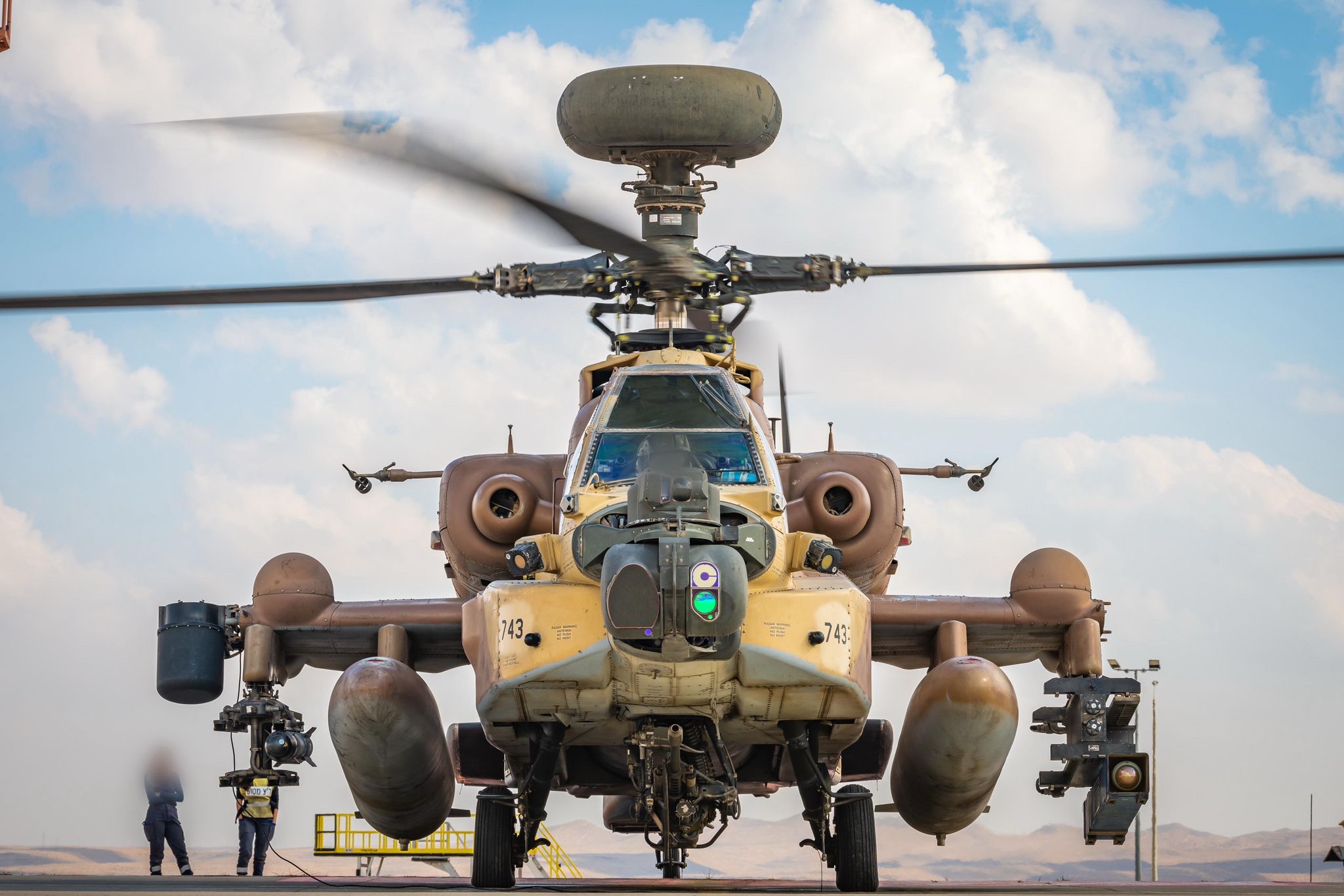
To begin, the ‘Ghosts’ and ‘Wasps’ of the 113th Battalion met at the Ramat David base – not in the field for training, as you might expect. According to Sergeant Major A., a combatant and instructor in the Multi-Dimensional Warrior program and one of the organizers of the concluding week, the goal is simple: to align and understand the operational language of each team. “We want to have clear communication with the helicopter – to understand what the pilot needs from me, and to explain to him what I need from him in return.”
Lieutenant E., a dedicated combat officer at the unit’s school, also explains that the first day forms a professional foundation before descending into the field: “They arrive at the squadron itself, undergo theoretical lessons, learn how to work with the various technologies, and then the pilots show them the helicopters and systems.”
From there, the forces move to where their abilities are truly tested – in the field. “Throughout this week, we are constantly training, simulating scenarios, and conducting exercises, until the moment of linking up with the helicopter – when the pilot comes on the radio, and a combatant from the company picks him up,” says Sergeant Major A.
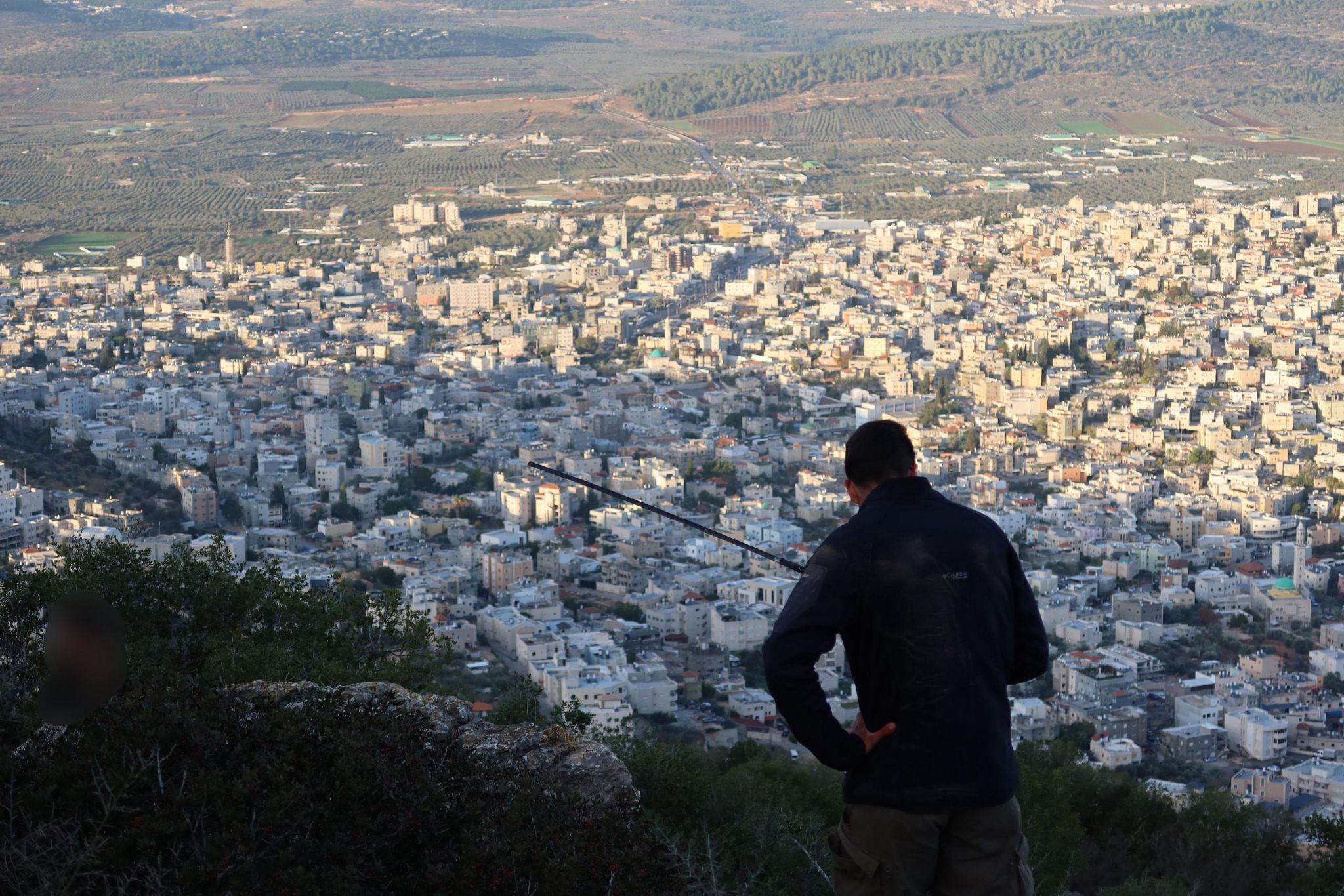
The ‘moment of truth’ is an event lasting a few short minutes – and it seems precisely because of this, it requires meticulous and rigorous preparation. “The biggest exercise with the aircrew took place on Tuesday,” shares Lieutenant E. “It lasted about half an hour, after we had been engaged in ‘simulated’ preparations and training throughout the day.”
It may sound short, but these are 30 very unusual minutes, as Lieutenant E. emphasizes: “During this time, the command staff and I check if everything we’ve worked on throughout the week is being expressed in the moment of truth. We practice a different situation each time, and rotate the combatants – so that everyone has the opportunity to play multiple roles.”
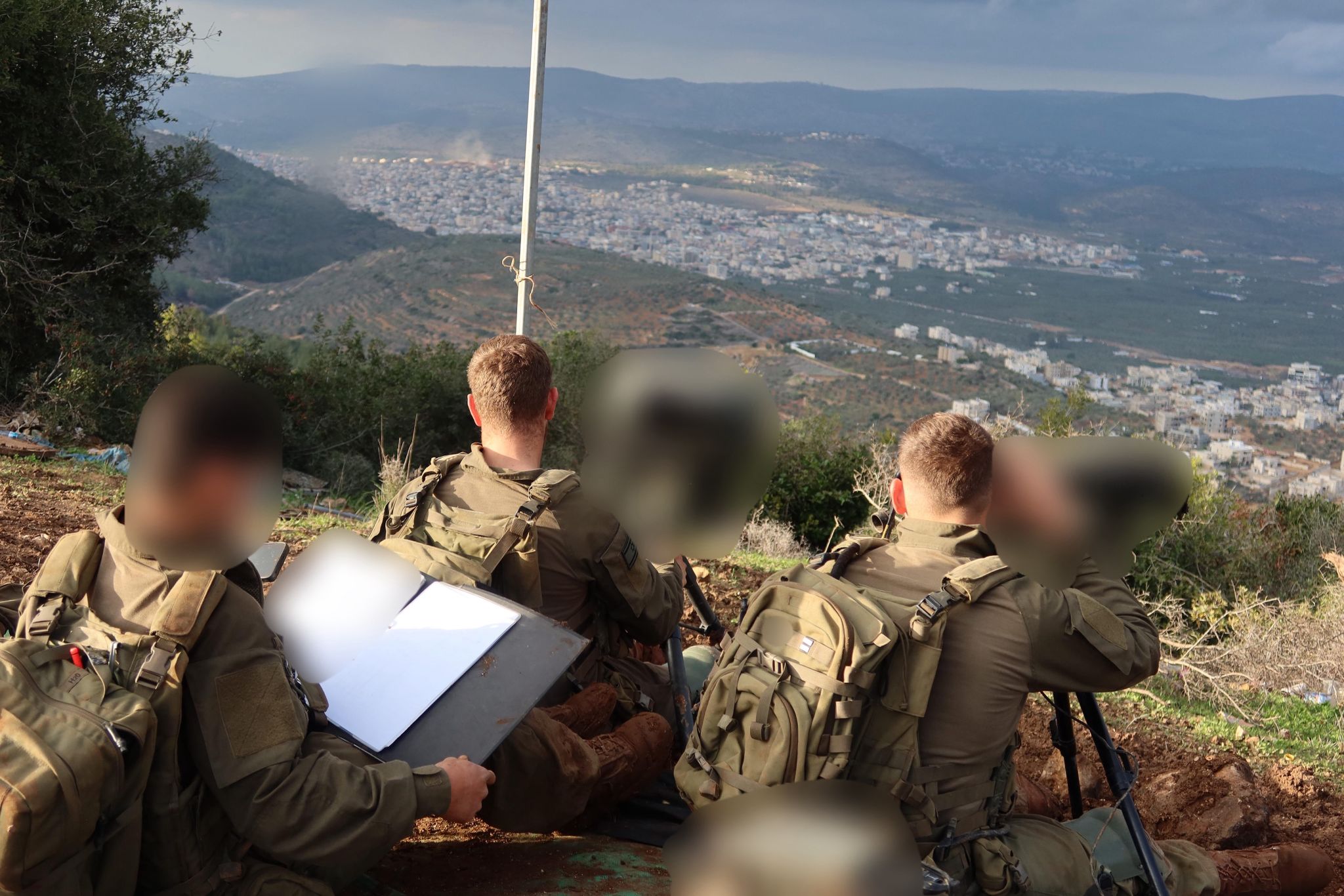
The scenarios they practiced were built from the unit’s combatants’ past experiences – with an emphasis on the experience accumulated in the last two years, during which they fought with high intensity in multiple sectors simultaneously. “All these exercises essentially simulate events that happen in the operational world,” adds Lieutenant E. And indeed, as in reality, in the exercise before us, the pilots attack from above, while the combatants blend into the depth of the field – guiding those in the air to targets that change on the move.
To manage the maneuvers effectively, extremely high-level coordination is naturally required. “One of the lessons these two years have taught us is to prevent as much as possible the overload and confusion of aircrews,” adds Sergeant Major A. “Therefore, a ‘spotter’ is a permanent role for one soldier in the team – a standard operating procedure for all intents and purposes. This way, we create uniform and clear communication.”
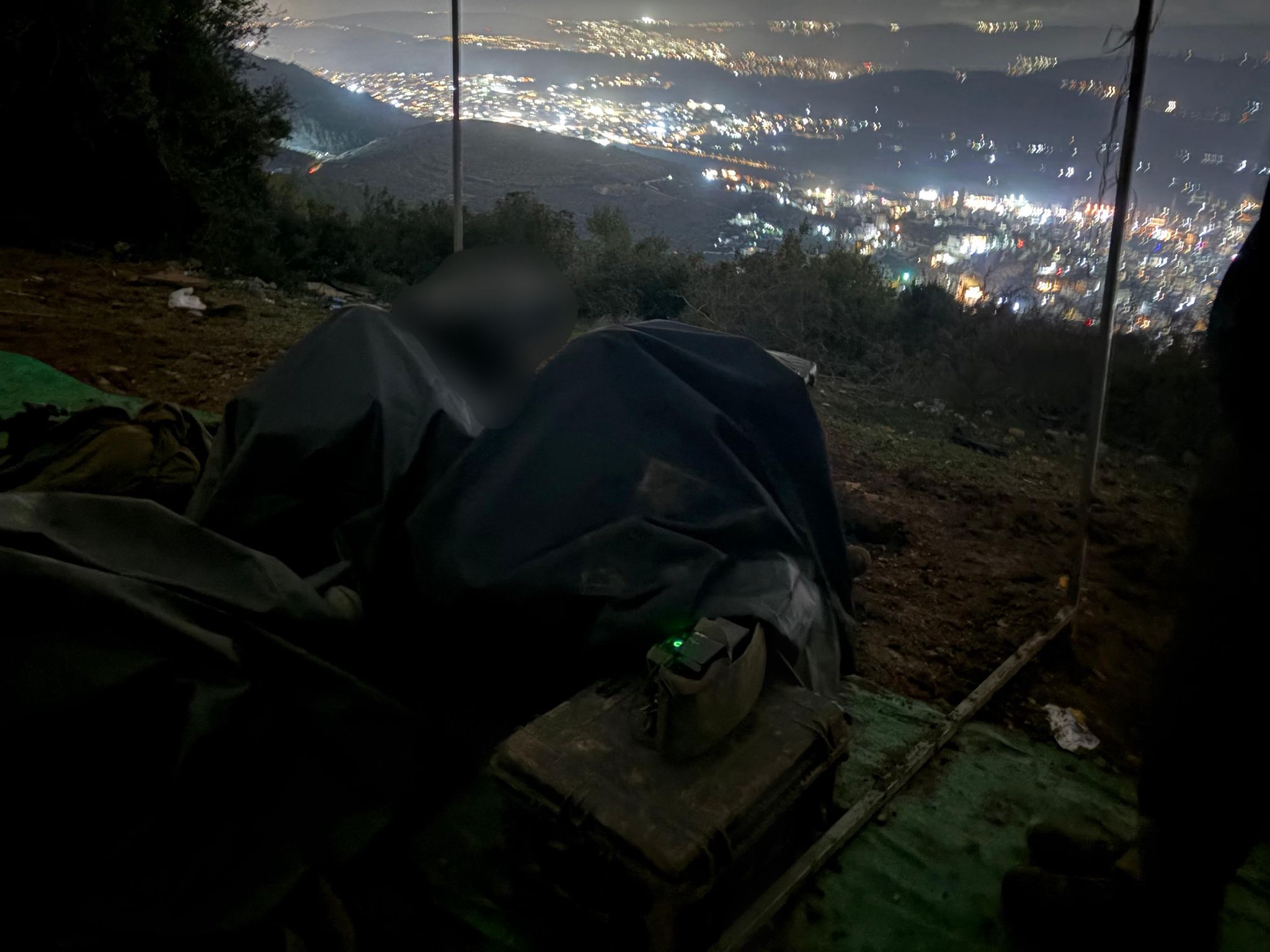
And even after the helicopter lands, signaling the end of the main exercise, the week is far from over – it moves to the next phase. The commanders analyze the performance, so that the next training session will be sharper and more precise. “We immediately conduct a debriefing and summary phone call of the event, to understand what we did better and what we did less well,” says the combat officer.
Behind the scenes, to ensure that such a week can be organized and run properly, the work begins months before the exercise. It defines what the required achievements are first and foremost, and deduces what the combatants are expected to know how to do by the end of the specialized training. “This week comes about a year into the course, right before the final assessments begin,” says Sergeant Major A. “They have already received the field they will focus on when they join the unit, and this is the time to dive deep and specialize in it.”
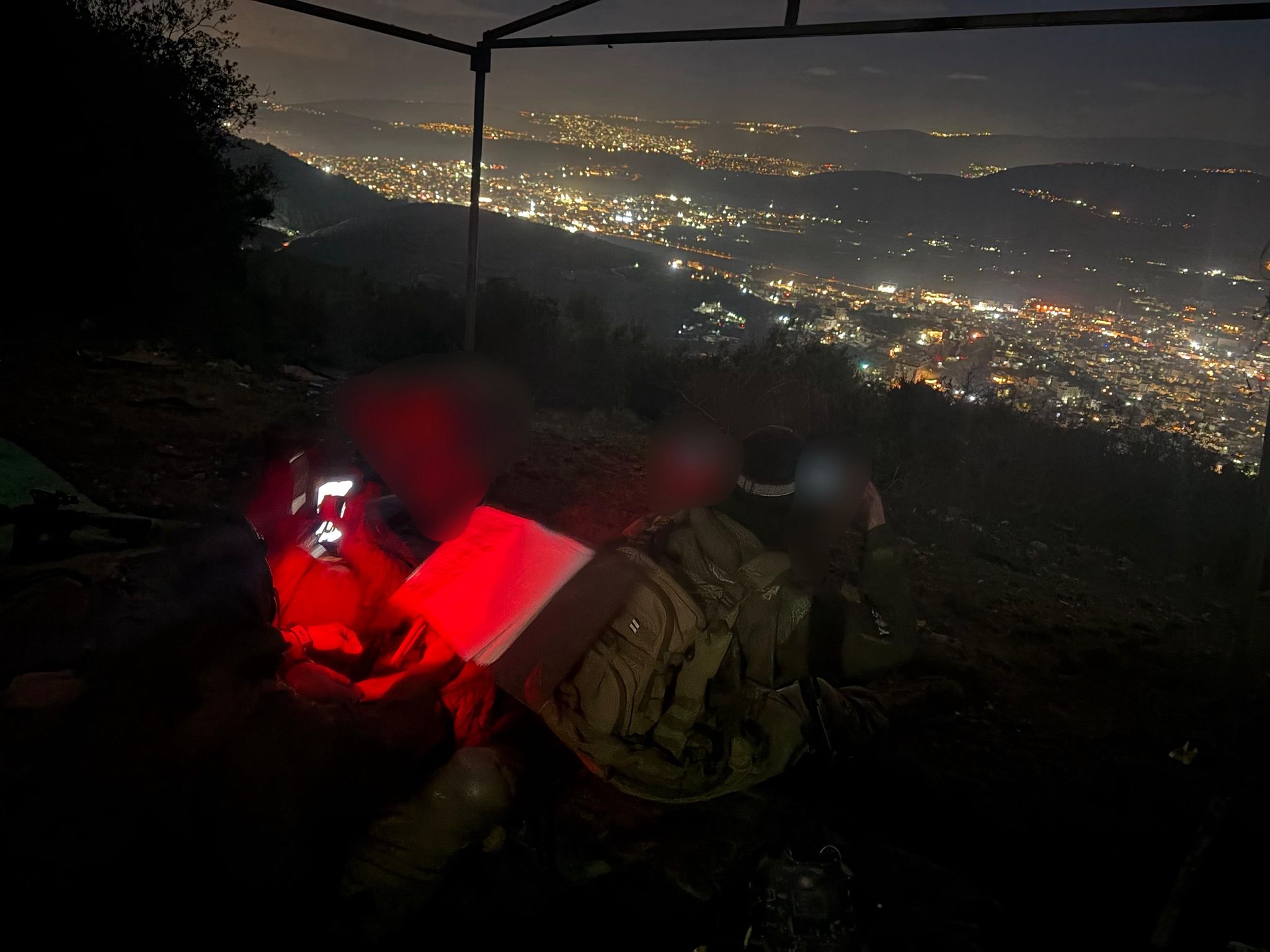
Beyond the essential training, one of the achievements of this week is also a challenge for the combatants – one that takes them out of their operational routine. “They are in a period where few things truly excite them,” admits the instructor, “but these days, and the unconventional cooperation with the Air Force, make them not only much more prepared – but also understand their uniqueness, and what it truly means to be a ‘multi-dimensional warrior’.”
Related Topics