










In the Alpine Unit, where ice and storms are part of the daily routine, a team-building and selection process for the next snow instructors was held last week. During this process, they assessed not only physical abilities but primarily mental, professional, and command suitability for the training team of this exceptional reserve unit.
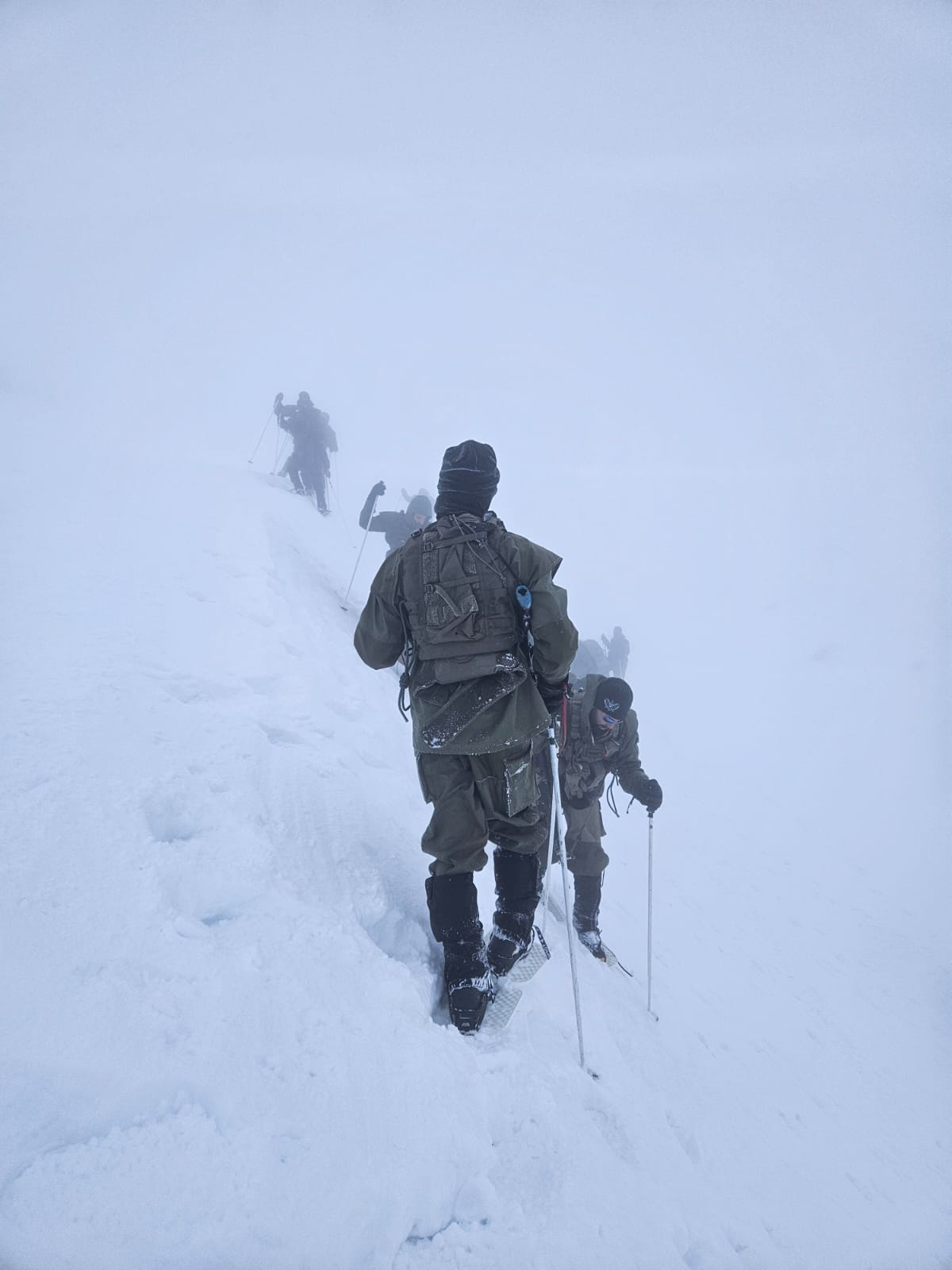
“These training personnel are responsible for training the alpinists,” explains Master Sergeant (Res.) T., commander of the Alpine Unit’s training team. “Various teams come to us, usually combat soldiers who served in the Golani Reconnaissance Unit. We take the ‘greens’ and turn them into ‘white’ combat soldiers.”
The training team itself is comprised of instructors of various ages, from 28 to 50. Some are former alpinists, and others are dedicated instructors who have undergone a five-year training course to command the training. “These are guys who come from infantry units, reconnaissance units, and other combat units, with very high field capabilities,” he says.
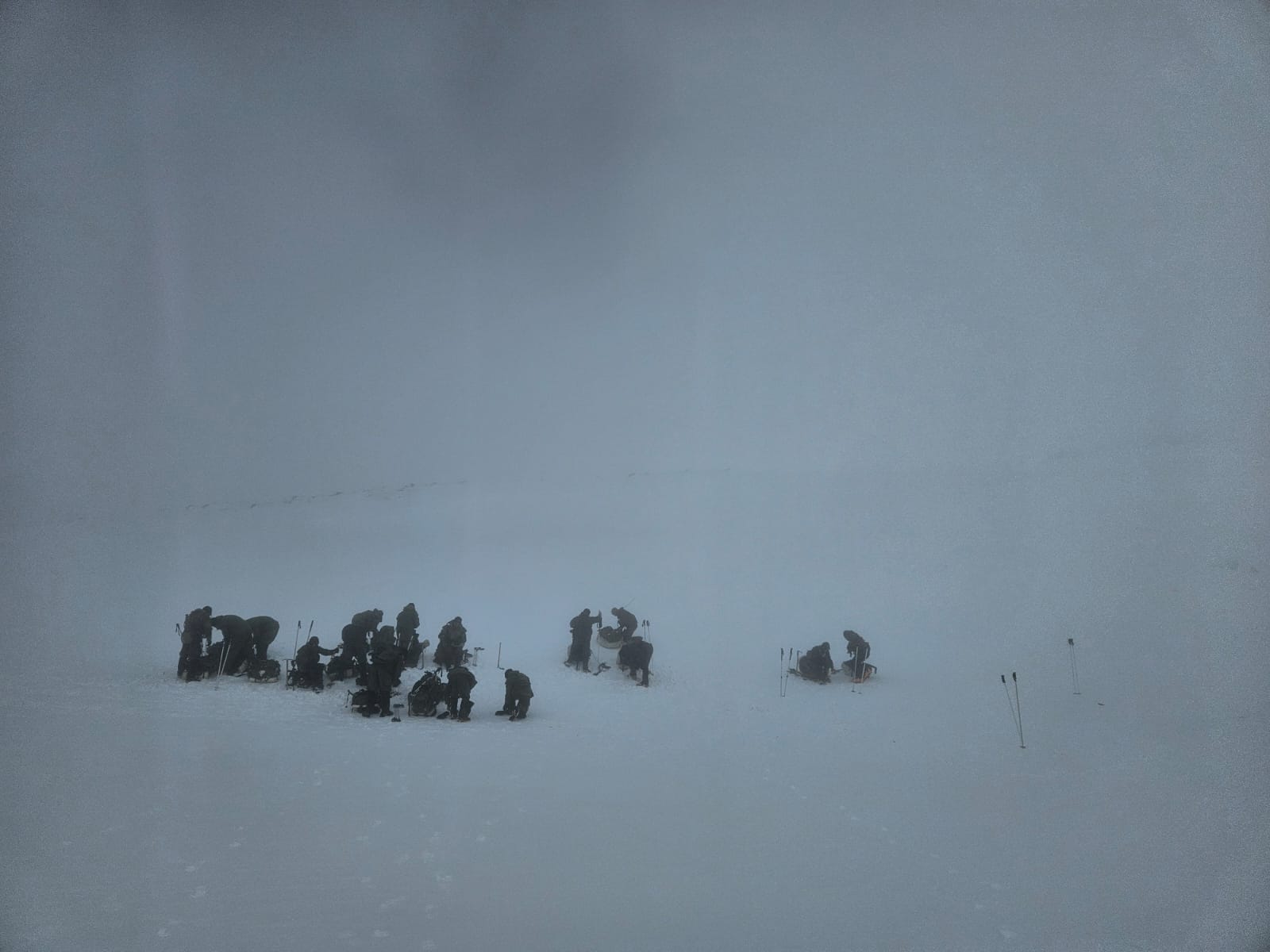
To find new talent for the team, a call for reservists with combat, command, and training backgrounds, as well as relevant field experience – including in hiking and ice climbing groups – was published. Approximately 150 resumes were submitted, and some of the interested candidates underwent interviews. Finally, 12 candidates arrived for the selection process itself.
The team-building exercise lasted four days and, as expected, took place on Mount Hermon. After onboarding, signing documents, and an explanation of the nature of the activity, the candidates received specialized equipment: snowshoes, thermal clothing, coats, shovels, and additional equipment adapted for activity in extreme cold conditions.
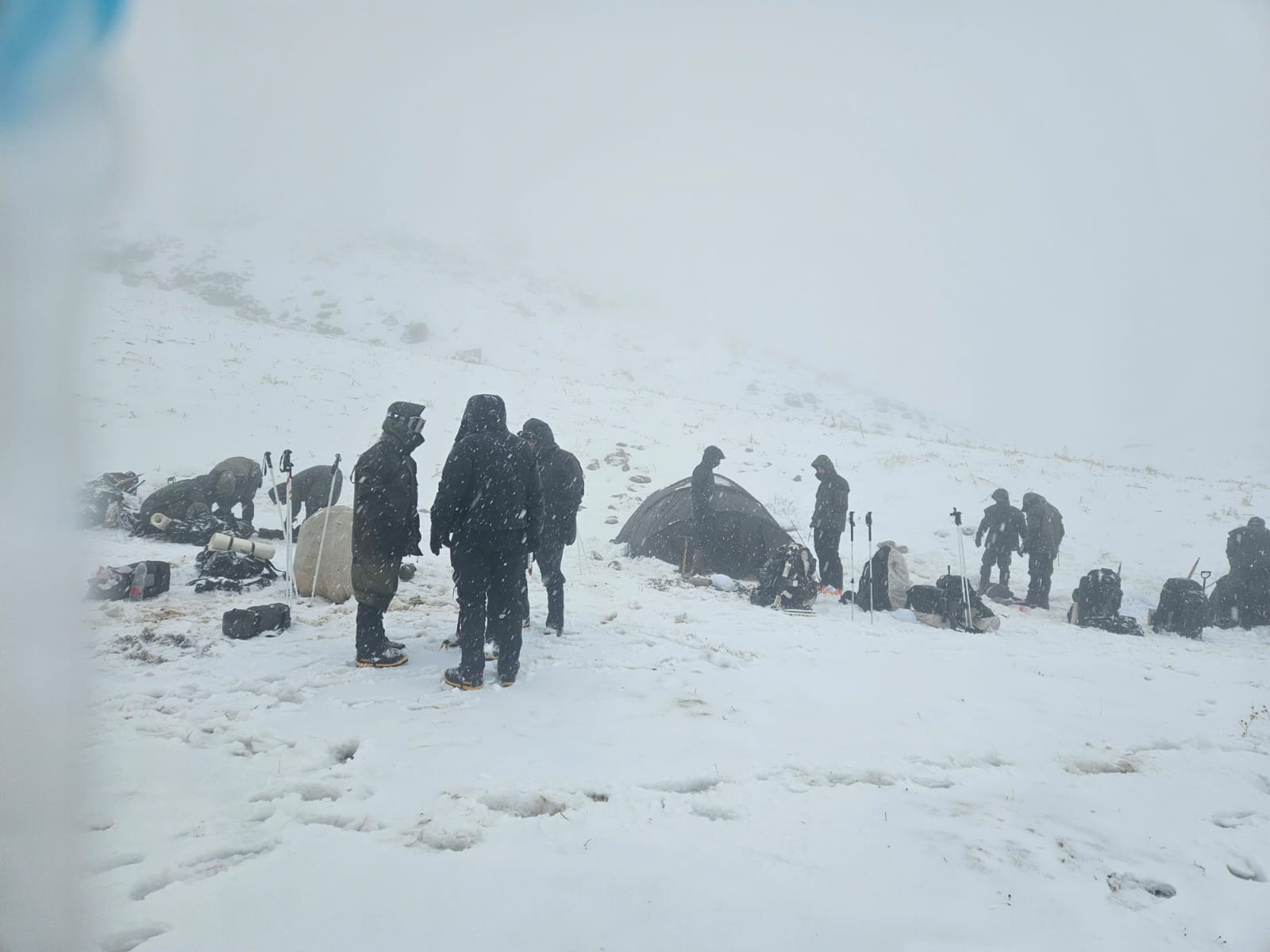
On the very first night, they went on a march in the area of the site and outposts, as part of getting acquainted with the mountainous environment and movement in snowy terrain. Simultaneously, they received medical briefings on dealing with frostbite and hypothermia.
The next day, the main journey began: three days outside the outposts, in extremely harsh weather, carrying all their food, snow gear, and combat equipment on their backs. “The complexity manifested in all sorts of situations,” clarifies Master Sergeant T. “For example, the candidates carried the water for the first day with them. When it ran out, they were required to melt snow using specialized kits to obtain drinkable water – just like in operational activity.”
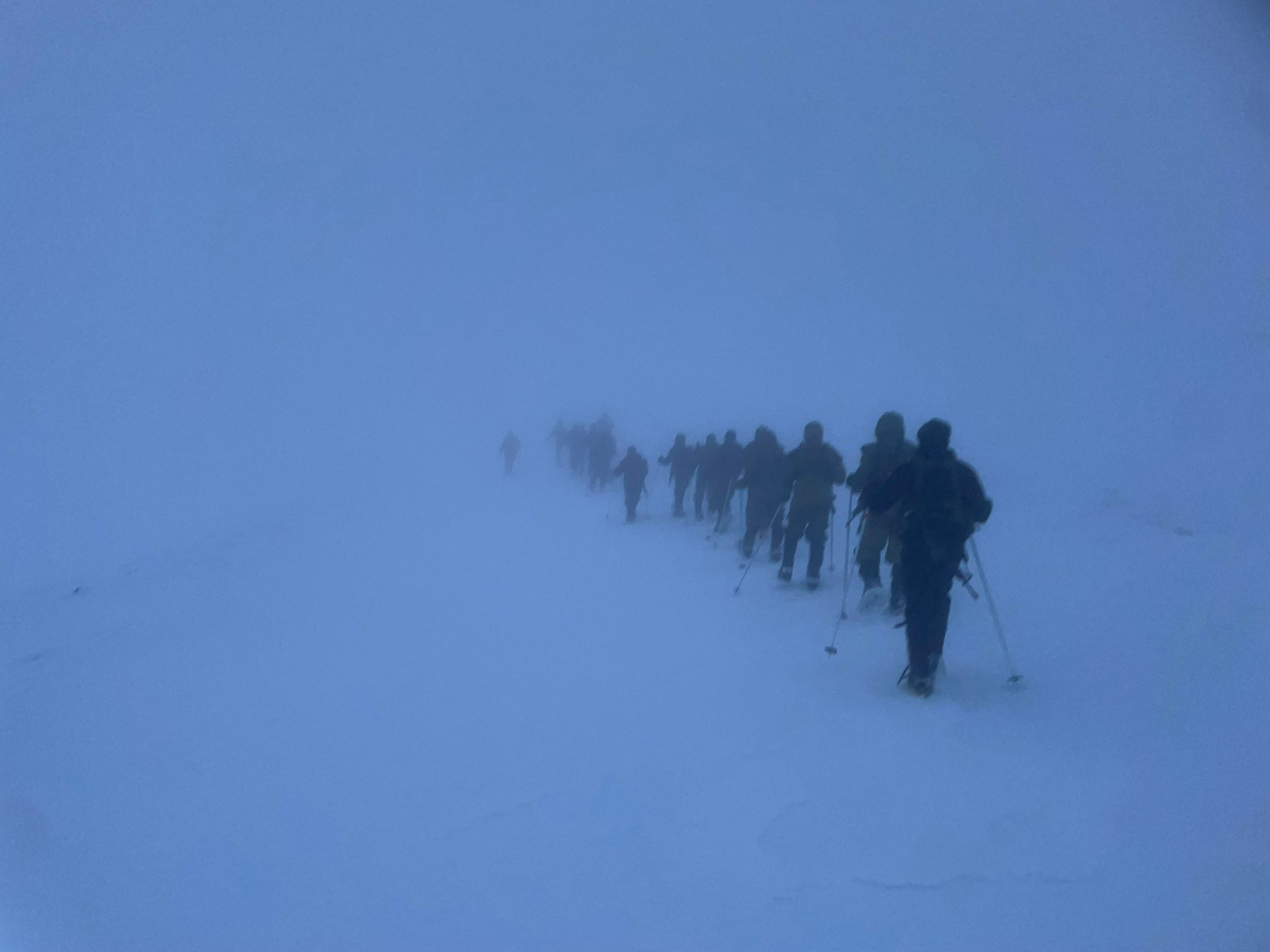
Using ‘snow cats’, the special vehicles for operational movement in snow, the 12 ascended towards the ‘Fortress of Wind’ outpost, at the crown of Mount Hermon – where they established a camp. “Just like an ambush in dense forests, building a camp in winter weather also has standard operating procedures (SOPs).”
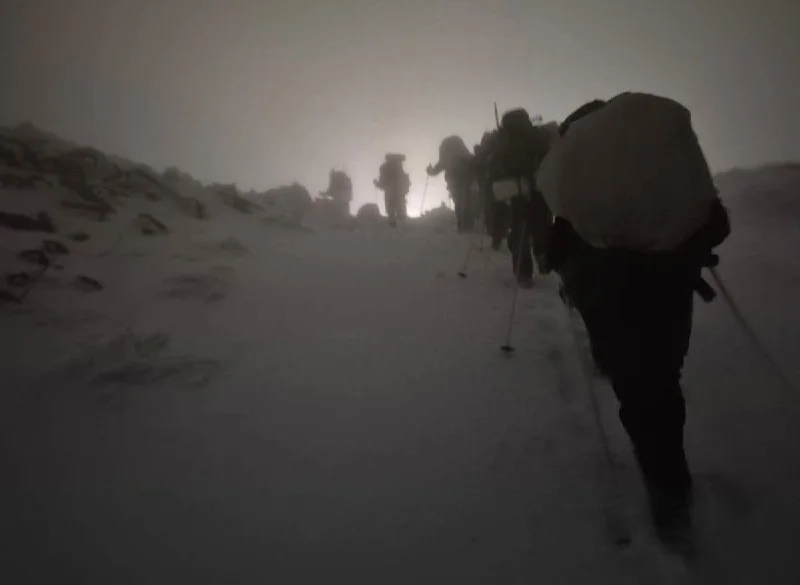
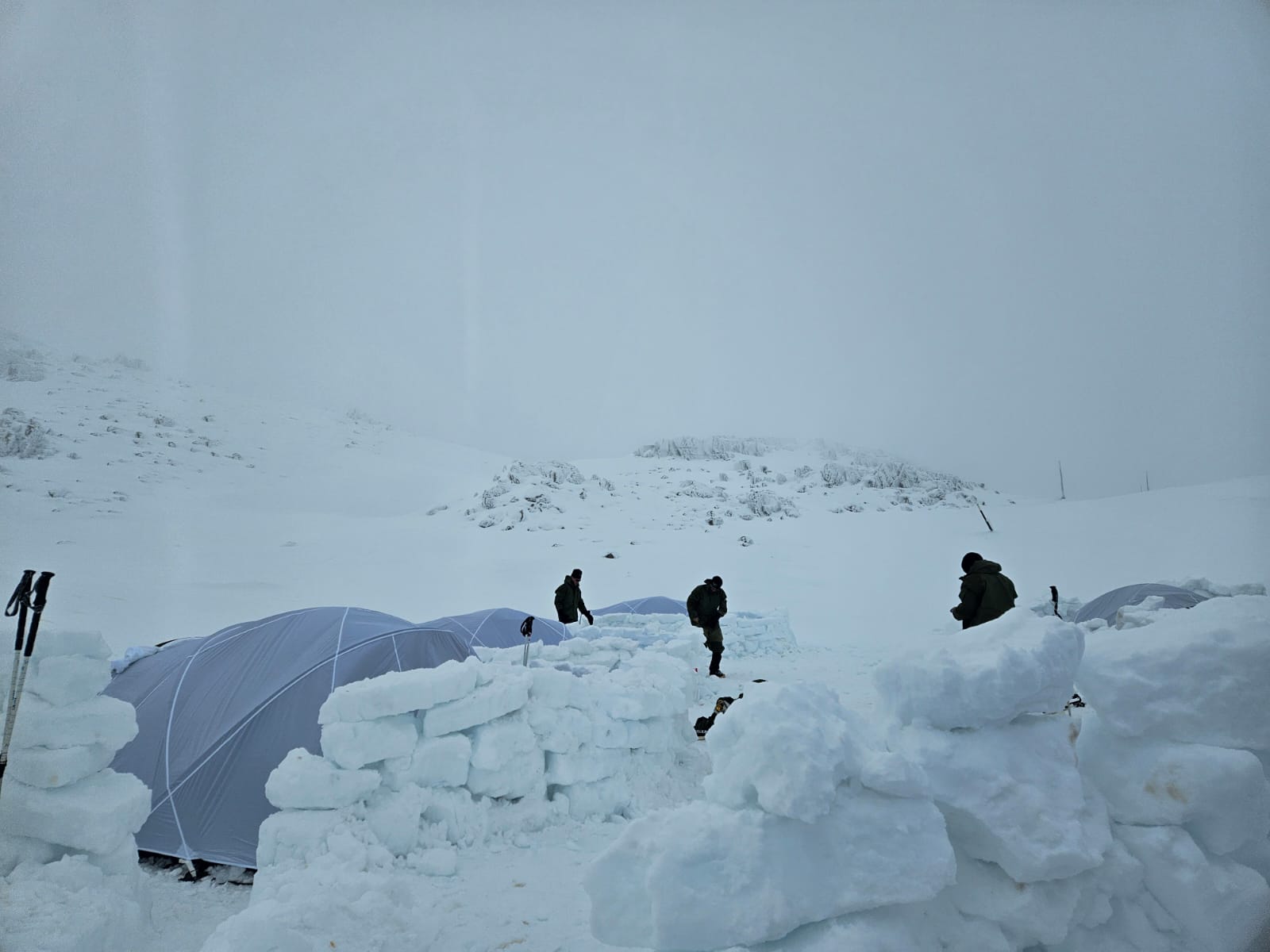
Six tents were erected, with each functioning as an independent unit. Subsequently, walls were built from ice, blocks dug from the snow itself – to protect the camp from the strong winds. And then, in winds of approximately 96 km/h and minus 7 degrees Celsius, they went out on a perimeter patrol, and later also on a night navigation exercise.
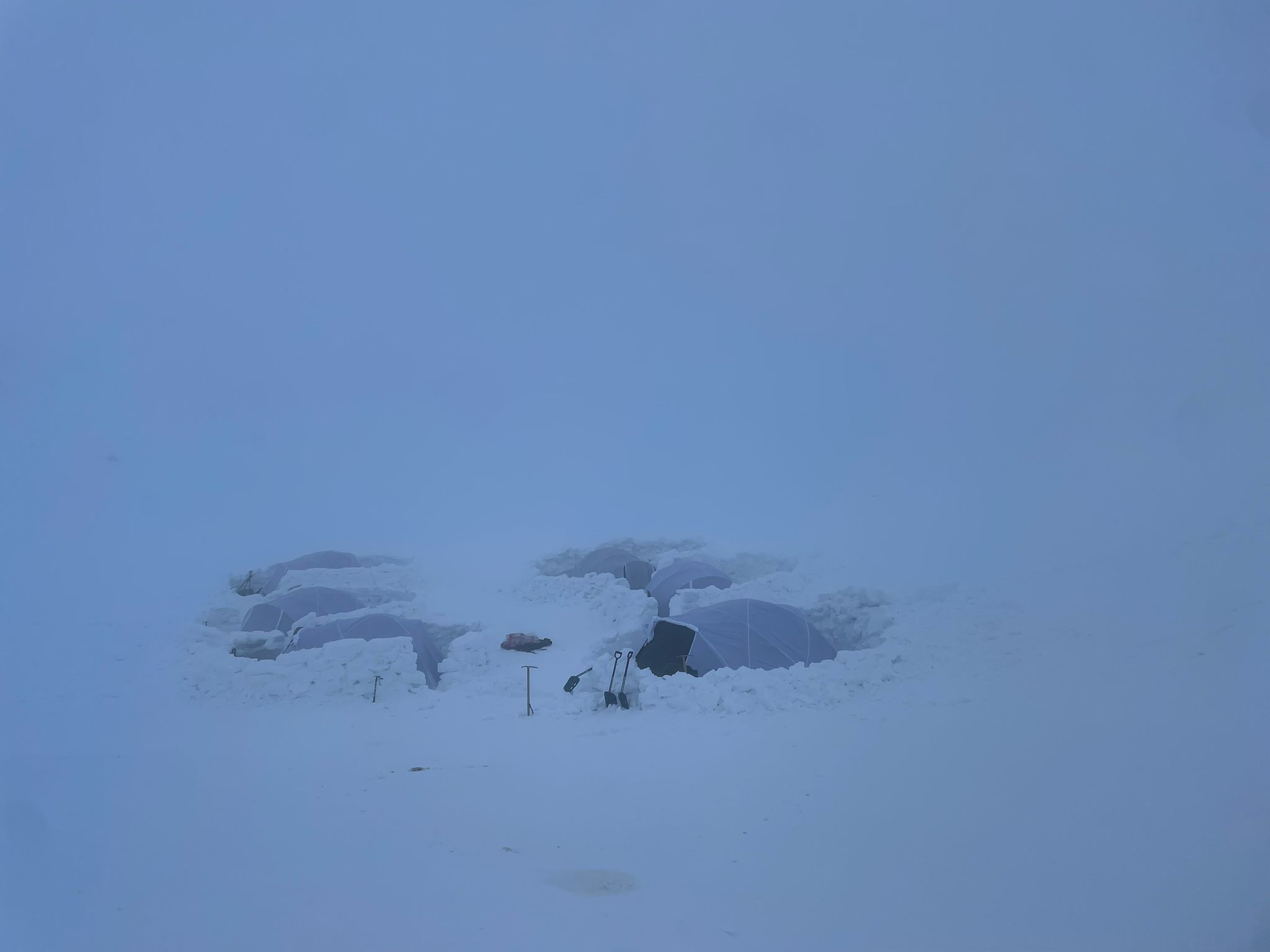
The camp established in the field
“When you navigate in ‘closed’ weather, meaning you can’t see more than 10-15 meters ahead – it’s very complex to advance,” he explains. “This is a skill we learn during our long training, which is why we led the navigation, but we let them experience it.”
The next day, the force descended to the upper level area of the Israeli Mount Hermon, where they established another camp under extremely strong winds, and from there began a march along a route of about 9 kilometers, a route that included an accumulated climb of nearly a thousand meters. “The distance itself isn’t particularly large,” clarifies Master Sergeant T., “but when it’s done in snow – it takes much longer.”
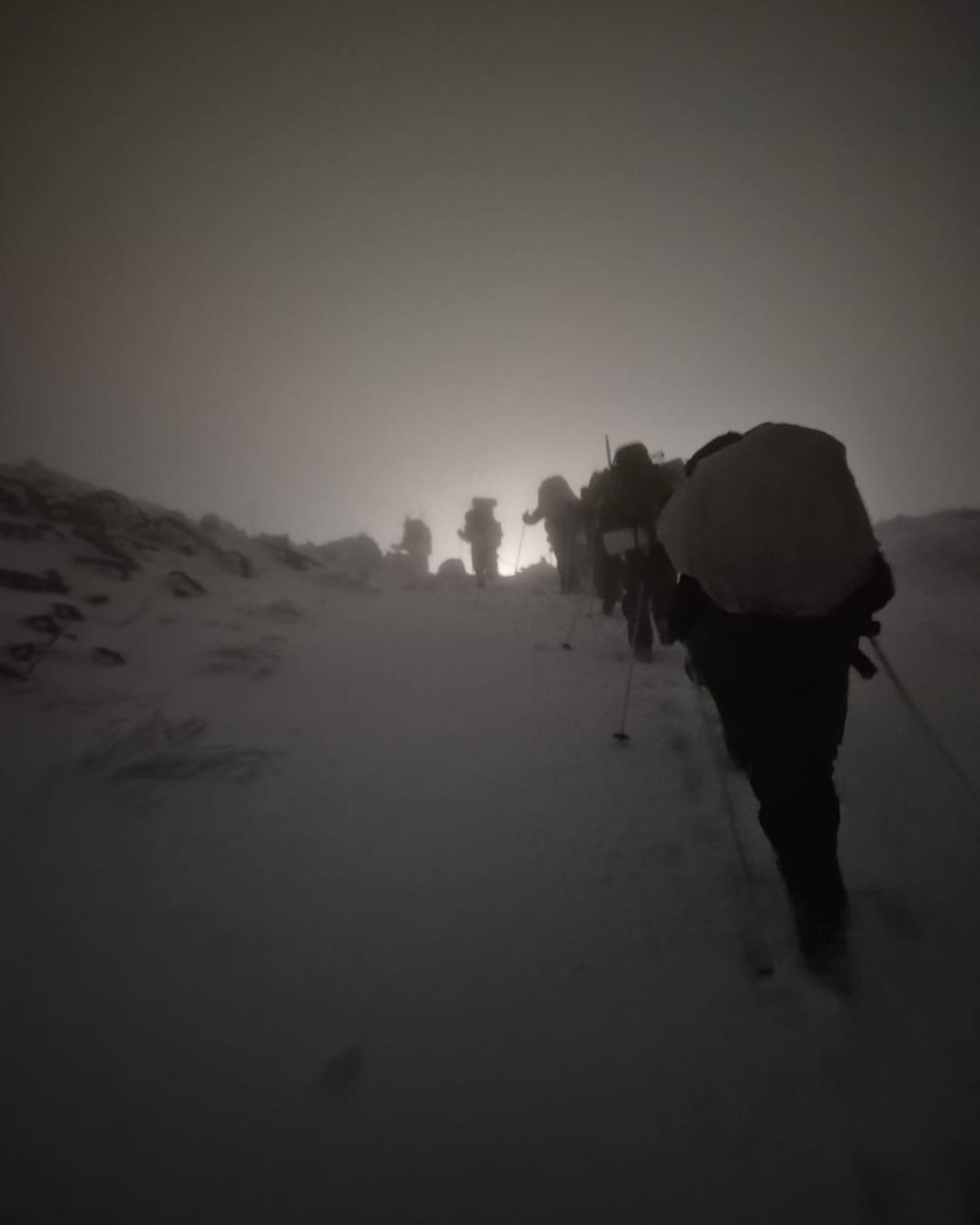
Night navigation
During the night, a storm occurred, including rain, graupel, and hail. At dawn, the candidates folded the camp while heavy precipitation continued to fall around them. “It’s not easy to work at such a time. But that’s exactly the point of the team-building; you can’t stop. You have to maintain body heat even when you get wet.”
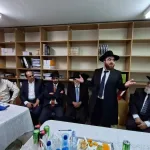
From there, they continued on another route that included an ascent to the ridge and a return to the outpost, including movement through mud. At its conclusion, they were asked to give a lecture to the staff and their peers – an element that tested their training and public speaking abilities. And there the selection concluded.
Out of 12 candidates, 7 passed successfully. And this winter, they will begin their basic training as snow instructors in the Alpine Unit. Their training, as mentioned, lasts about five years and includes an annual stay of several weeks on Mount Hermon, field courses, and in-depth study of equipment, doctrine, and training skills.
“It’s not just about knowing how to fight, use equipment, and cope with field conditions,” concludes Master Sergeant T. “It’s the ability to train reservists, to integrate operational aspects with learning, and to maintain training in conditions that most people only encounter at the edge of their capabilities.”
Related Topics