









By Pesach Benson • January 28, 2026
Jerusalem, 28 January, 2026 (TPS-IL) — Israel’s health system treated over 24,000 war casualties and is implementing sweeping reforms to prepare for future conflicts, according to a comprehensive Health Ministry review released on Tuesday.
The findings revealed both the system’s resilience under unprecedented pressure and critical gaps that required real-time improvisation. Among the most striking statistics: approximately 435,000 people received mental health treatment in 2025, representing a 30% increase since 2022, while some 1,600 soldiers and terror victims required hospitalization for rehabilitation.
“A good and excellent system is not a perfect system,” Health Ministry Director General Moshe Bar Siman Tov said at a briefing. “It is a system that knows how to identify where it needs to improve.”
The review, conducted by six teams beginning in March 2025, examined command and control, logistics, rehabilitation, evacuation procedures, community care for evacuees and mental health services. The findings come as Israel remains on alert for potential escalation with Iran, though Bar Siman Tov emphasized that alert levels have not been raised and hospitals have not been evacuated.
One of the war’s most revealing measures of medical preparedness came in the immediate aftermath of the October 7 attack. Among wounded evacuated to hospitals that day, the mortality rate was just 0.6%, rising only to 0.4% the following day. For the seriously wounded, death rates stood at 6.9% and 6.8% respectively on those two critical days, figures the ministry described as remarkably low by international standards.
The system benefited from fortunate timing at two southern hospitals. “The start of the war coincided with the change of shifts at Soroka and Barzilai hospitals, where two shifts and reinforced teams were in place at the same time, which expanded response capabilities,” the ministry reported. On the first day alone, approximately 150 wounded were transferred to hospitals in central Israel as secondary regulation was activated.
But Bar Siman Tov acknowledged the crisis exposed fundamental weaknesses. “This event was not in our reference scenarios,” he said. “The entire mechanism on which the work of the health system in an emergency is based simply did not work as we are used to.”
The National Institute of Forensic Medicine identified and determined the circumstances of death for approximately 1,765 murdered and kidnapped victims, including 87 hostages killed in captivity. Prof. Arnon Afek, who coordinated the review teams, called it “a sacred work” conducted “with sensitivity, humanity, and extraordinary professionalism.”
Mental health emerged as a critical concern. Dr. Gilad Bodenheimer, head of the Mental Health Division, described how the system was forced to expand services at unprecedented speed and scale. “We have victims with bereavement, injury and destruction, kidnapped, evacuated from their homes, soldiers and reservists and their families, first responders and care workers,” he said, adding that ultimately “the entire Israeli public is exposed to ongoing danger.”
Emergency response included proactive outreach, with everyone who visited emergency rooms at Barzilai and Soroka hospitals on October 7 and 8 receiving follow-up calls from the ministry asking a simple question: Do you need emotional support? The ministry established 362 service points for more than 200,000 evacuees and recruited some 700 new therapists through improved wage agreements.
Key recommendations include establishing a central coordinating body to manage rehabilitation placements based on bed availability, increasing emergency stockpiles to cover two months of operations, and creating formal procedures for treating detained terrorists. The latter issue proved particularly contentious, with Afek noting he had “the dubious honor to stand in front of activists and give them explanations why we are treating terrorists in the hospitals.”
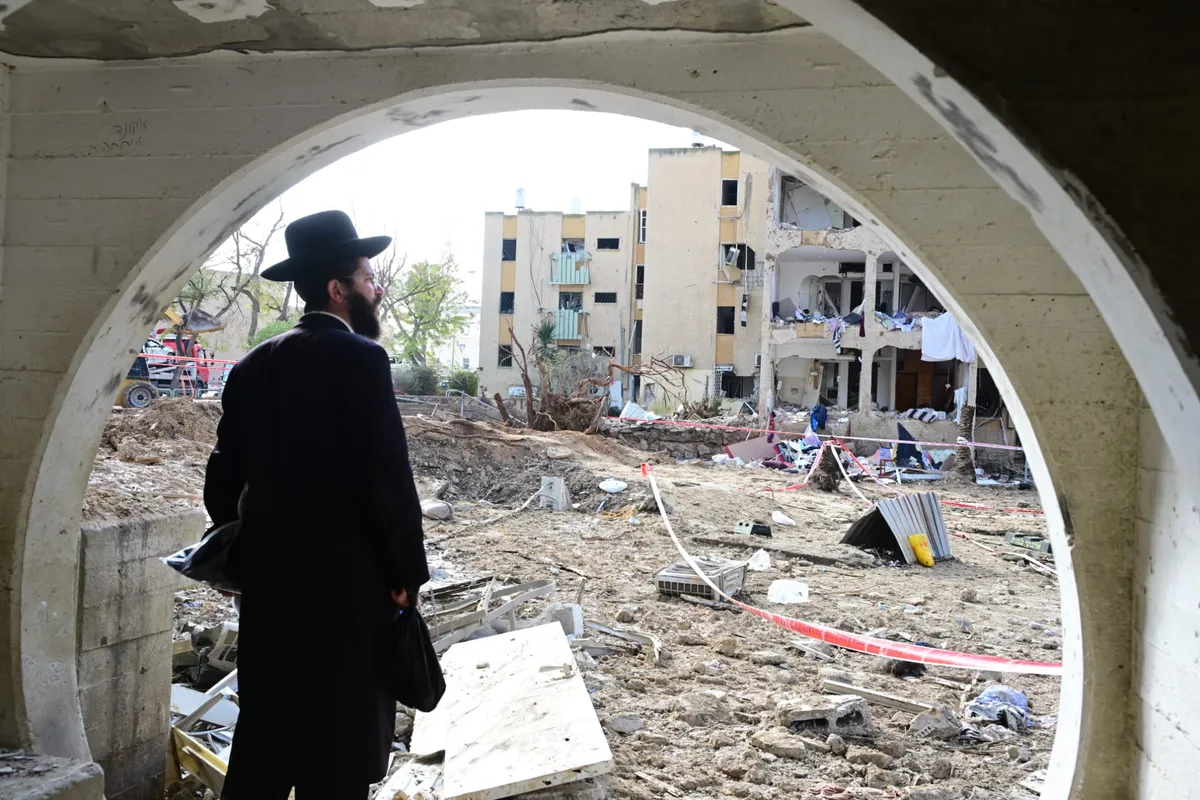
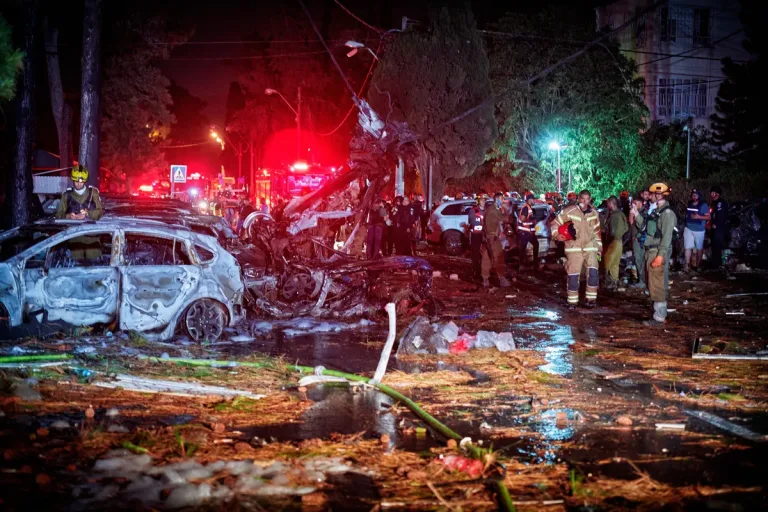
Hospital fortification has become a priority following an Iranian missile strike that damaged Soroka Medical Center. Over the past two years, 3,642 protected hospital beds have been added, with more than 100 million shekels allocated for 2026 fortification projects.
In a sobering personal reflection, Afek added: “We are all, to one degree or another, in post-traumatic stress disorder. One day everyone will understand how this will affect them. Routine will not return to normal.”
Related Topics