























By Pesach Benson • December 16, 2025
Jerusalem, 16 December, 2025 (TPS-IL) — Two years after the war, Israeli exports are on a strong recovery, approaching pre-crisis peak levels. The Ministry of Economy forecasts total exports for 2025 at nearly $160 billion, a 3% increase from 2024 and close to the 2022 record of $165 billion.
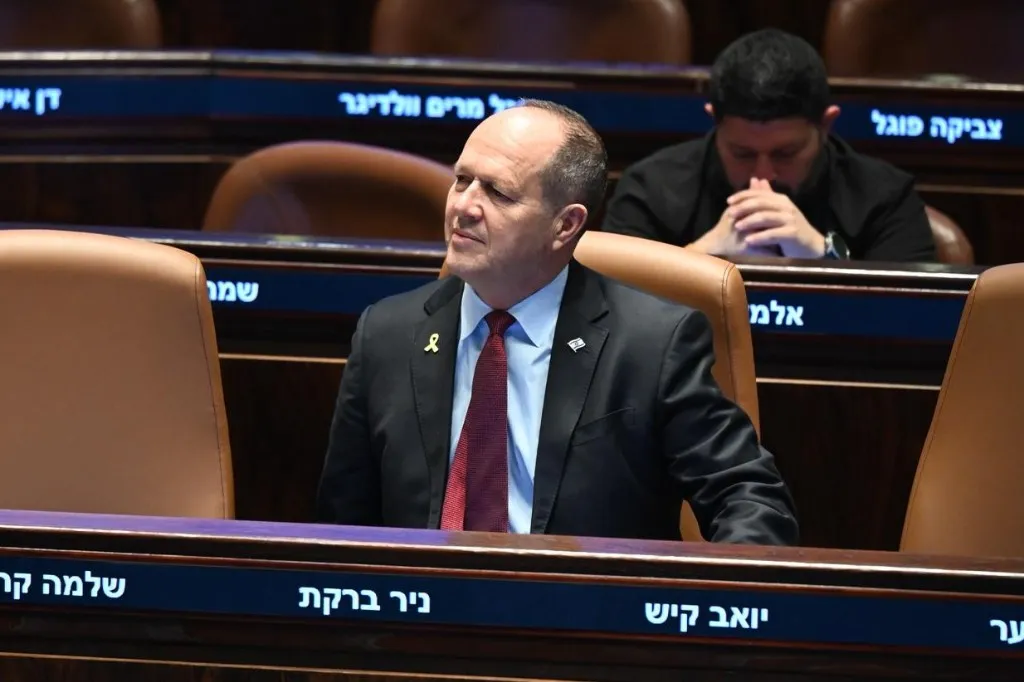
Economy and Industry Minister Nir Barkat announced the figures on the second day of the Foreign Trade Administration’s annual annexes conference. “Upon taking office, I made increasing exports a top priority, and set a clear strategic goal—leading Israel to a trillion-dollar export within 20 years. Already during the war, we were preparing for the day after, and today we are beginning to see the results on the ground,” Barkat said.
“Expanding exports to new markets around the world is the key to Israel’s economic resilience. I thank the men and women of the Foreign Trade Administration and the Economic Attachés for their professional, determined, and daily work that brings real achievements to the Israeli economy,” he added.
Director General of the Ministry of Economy and Industry Moti Hagay said the forecast reflects Israel’s economic strength. “The expected data for 2025 show the economy’s ability to recover, grow and innovate, even after a complex security period. The rise in exports, especially in the services sector, is the result of consistent government work, investment in human capital, and opening new markets,” he said.
Services exports, which account for more than half of total exports, are expected to grow 9% to $101 billion, up from $92.7 billion in 2024. Growth is driven by high-tech services such as software, computing, and research and development, underscoring the sector’s importance to Israel’s economic stability.
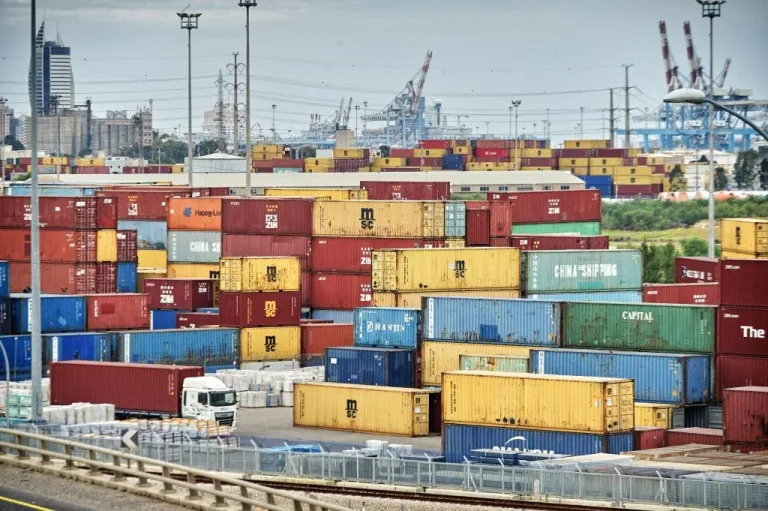
Goods exports, which make up roughly 48% of total exports, are projected to fall about 5%, to $57 billion from $60.3 billion. The decline reflects weaker demand in key markets, including the European Union, the United States, and China. Exports to Asia, Africa, the Middle East, and Oceania are rising moderately, with Asia expected to grow around 3.5%.
Director of the Foreign Trade Division Roy Fisher said the recovery is the result of sustained, coordinated effort. “The trend in Israeli exports is not accidental. It reflects intensive activity by the economic attachés and assistance programs for exporters, working to open doors, create partnerships and bring Israeli companies to new opportunities worldwide,” Fisher said.
“The Foreign Trade Administration focuses on expanding activity, accompanying companies closely, and targeting markets with growth potential to strengthen Israeli industry, attract investment, and reinforce Israel’s position as a global economic player,” he added.
The Foreign Trade Administration manages Israel’s foreign trade policy, the Economic Attachés’ Network in over 55 trading capitals, exporter assistance programs, and free trade agreements. In 2025, the aid budget totaled roughly NIS 34 million ($10.5 million). In recent months, Israel hosted a high-level Indian business delegation, signed a free trade agreement with Costa Rica, and concluded an agricultural agreement with the United States as part of a broader tariff deal.
Related Topics