






















By Pesach Benson • November 24, 2025
Jerusalem, 24 November, 2025 (TPS-IL) — After nearly two years, the Bank of Israel lowered its interest rate, cutting it by a quarter of a percentage point to 4.25% on Monday. This marks the first reduction since January 2024, ending a stretch of 14 consecutive decisions in which the rate remained unchanged at 4.5%.
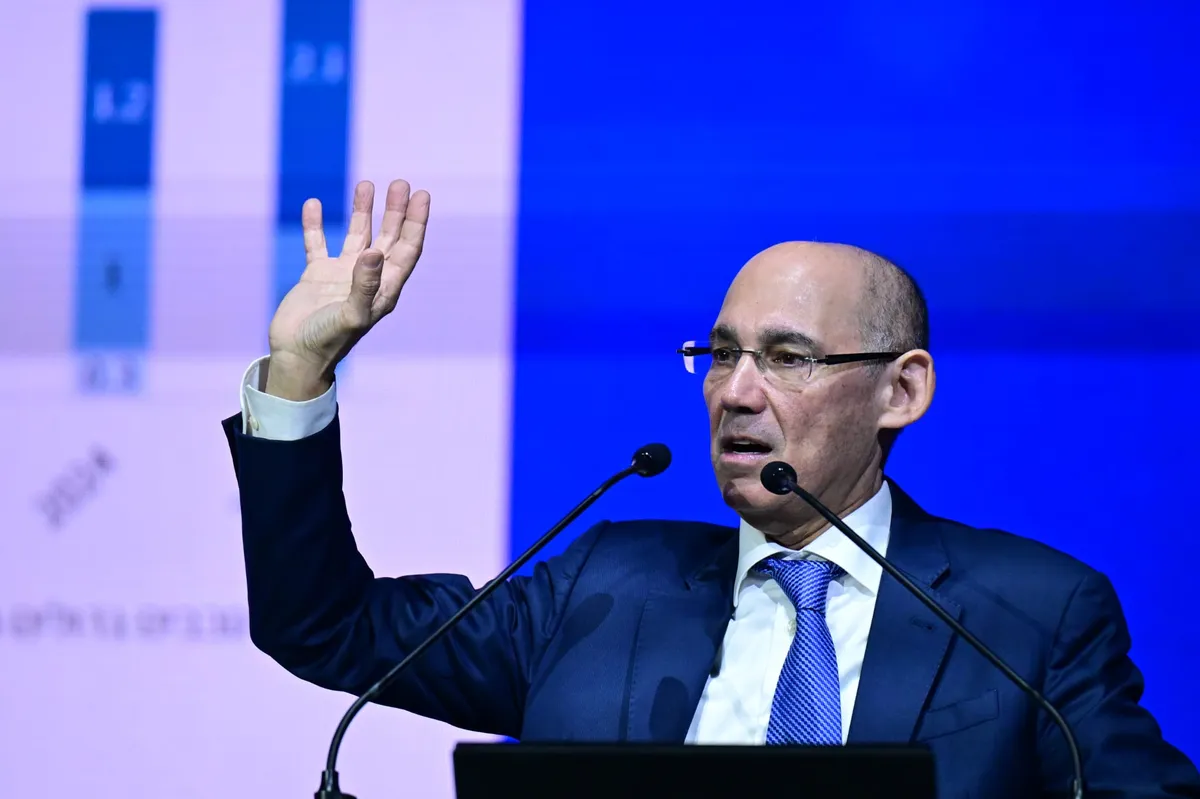
The Monetary Committee, led by Governor Professor Amir Yaron, made the decision amid months of inflation running below the target range and ongoing political pressure.
Inflation currently stands at 2.5%, comfortably within the Bank’s 1%-3% target, and has remained below the center of that range for several months. An initial cut had long been expected.
The reduction is expected to directly impact families and mortgage holders across the country. For an average mortgage of NIS 1 million ($310,000) over 25 years, monthly repayments will initially drop by around 70 shekels ($21), translating to over NIS 20,000 ($6,100) in savings across the life of the loan. Estimates from the Mortgage Advisors Association suggest annual savings for mortgage holders will range from NIS 720-2,300 ($220-$700).
The new interest rate will take effect Thursday, allowing banks time to adjust.
Economic activity in Israel has shown signs of recovery. GDP expanded at an annualized rate of 12.4% in the third quarter, though the overall level remains below the long-term trend. The labor market continues to be tight, with a high ratio of vacant jobs to unemployed individuals, and wage growth remains strong. Apartment prices have declined for seven consecutive months, with fewer purchase transactions, while local stock indexes have risen relative to global markets.
The shekel has also strengthened, appreciating 1.3% against the dollar and 2.9% against the euro since the last interest rate decision. The capital market had largely anticipated a rate cut, with stock and bond markets already reflecting the change. Analysts point to a combination of global interest rate declines, reduced risk premiums following a ceasefire with Hamas, and moderated inflation as key factors behind the timing.
Related Topics