






















By TPS-IL • March 16, 2026
Jerusalem, 16 March, 2026 (TPS-IL) — Archaeologists excavating the ancient site of Nessana in Israel’s Negev Desert have uncovered the remains of a 1,400-year-old church whose elaborate mosaics and surrounding structures suggest the settlement once served as a major hub for Christian pilgrims traveling toward Mount Sinai.
The discovery at Nitzana National Park, led by researchers from Ben Gurion University of the Negev, provides new evidence that the desert settlement played a central role in the international pilgrimage networks connecting the Holy Land with the Sinai Peninsula during the Byzantine and early Islamic periods.
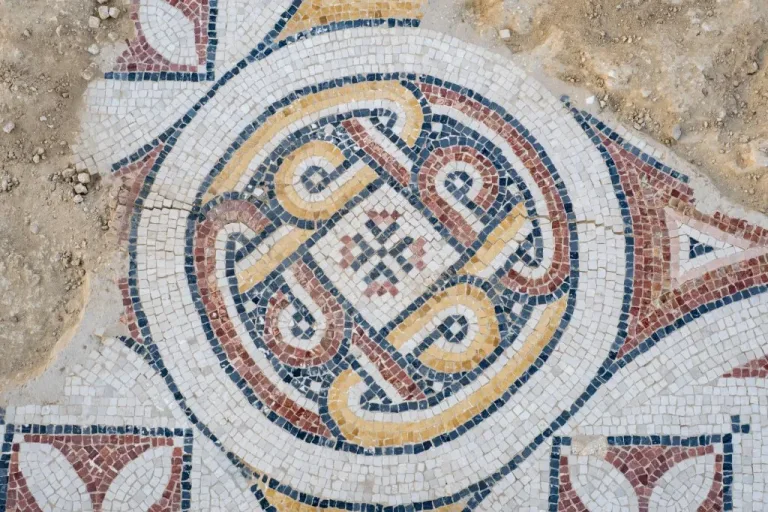
“We managed to expose, assisted by modern technology and digitization, the location of the church and its mosaic floor,” Prof. Yana Tchekhanovets of Ben Gurion University told the Press Service of Israel. “The mosaic is the only thing that survived from the church. The rest was covered in concrete when the Ottoman rulers used the site as a logistical hub during World War I.”
The newly exposed mosaic floor features colorful geometric patterns, floral designs and decorative medallions created from small stones arranged in intricate designs. According to the research team, the level of craftsmanship indicates that the building belonged to a wealthy religious complex that likely served both local residents and travelers passing through the desert.
According to Tchekhanovets, excavations also revealed a large hospitality complex near the church, including a hospice and a bathhouse with marble-lined tubs. These structures point to organized services for visitors arriving at the settlement, she said.
“We have been studying the site of Nessana as a key site of ancient Christian pilgrimage,” Tchekhanovets said. “It was a hub for pilgrims, the last point inside the Holy Land before the beginning of the desert road to Saint Catherine Monastery at Sinai, and it was flourishing in the 6th and 7th centuries A.D.”
The site lies along the main route connecting the Holy Land with Saint Catherine Monastery, one of the most important Christian pilgrimage destinations in the region, at the foot of what is traditionally identified as Mount Sinai, the site revered in biblical tradition as the place of divine revelation.
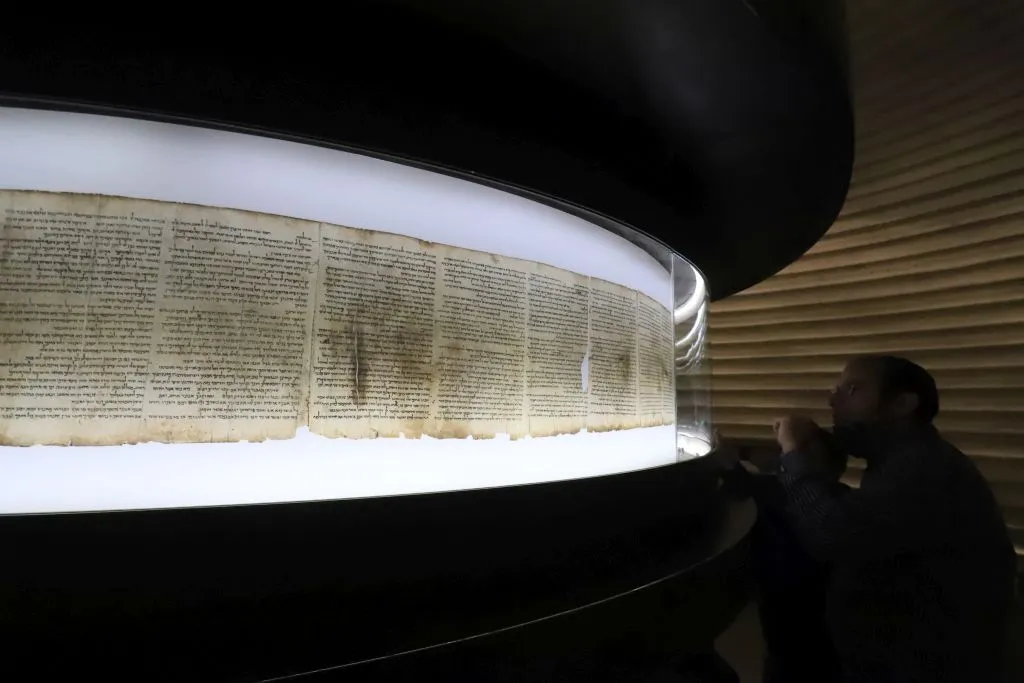
The new findings build on earlier discoveries from the site, including the Nessana Papyri, a collection of ancient documents found there about a century ago.
Tchekhanovets said combining the historical texts with the newly uncovered archaeological remains helps researchers reconstruct how people lived and traveled through the Negev more than a thousand years ago. Ancient graffiti discovered at Nessana suggests that travelers reached the settlement from distant regions including Georgia and Armenia, Tchekhanovets said.
Among the most significant discoveries from the latest excavation season was a Greek inscription embedded in the church that dates the construction of the building to the early seventh century. According to the researchers, this period corresponds with the height of activity at the settlement before political and economic changes altered the region’s role as pilgrimage declined under Muslim rule.
Related Topics