
By TPS-IL • April 15, 2026
Jerusalem, 15 April, 2026 (TPS-IL) — Israelis significantly reduced physical activity, slept less and shifted toward less healthy diets during the war with Iran, with similar patterns observed among children, according to a Hebrew University of Jerusalem survey.
The findings suggest that wartime conditions are not only disrupting daily routines but driving a broader deterioration in health behaviors across households, affecting both adults and young children.
Professor Nadav Davidovitch, chair of the Israeli Health Forum and a member of the Israeli Health Council, who was not involved in the survey, told The Press Service of Israel that the findings point to what he described as a “silent epidemic” that could have long-term consequences for Israel’s resilience.
According to Davidovitch, the deterioration in health behaviors reflects an “acute-on-chronic” effect, as the population entered the current war already strained by the COVID-19 pandemic and prolonged instability from the war with Hamas.
“When you layer 30 months of trauma and disruption on top of a population that was still recovering its routine, the elasticity of health behaviors begins to snap,” he said.
Dr. Roni Lotan, of the university’s School of Public Policy, who led the survey, told TPS-IL that the changes tend to cluster, with declines in sleep linked to poorer diet and reduced physical activity, pointing to a compounding effect rather than isolated lifestyle shifts.
“We wanted to quantify this phenomenon. And we came to the conclusion that there is not enough emphasis on public health during wartime. The emphasis is on security and protection, which is important, but there is no emphasis on how to keep healthy habits at home,” Lotan explained.
The survey, conducted among 485 adults between the ages of 20-70 shortly after the outbreak of the war, examined changes in behavior compared to the two months prior. Researchers found that nearly two-thirds of respondents reported a decline in daily steps, with an average drop of about 30 percent. Weekly exercise also fell sharply, from an average of 3.8 sessions to 2.6.
Sleep patterns were similarly affected. About 60 percent of participants reported sleeping less, with an average decline of more than 13 percent.
Dietary habits also worsened. Just over half of respondents said they increased consumption of ultra-processed foods such as snacks, sweets and pastries. At the same time, 44 percent reported eating fewer fruits and vegetables.
Alcohol consumption rose by an average of 31 percent, though fewer than one in five respondents reported drinking more. Among smokers, about one-third said they increased cigarette use.
Exposure to air raid sirens emerged as a key factor shaping behavior. Individuals who experienced more frequent alarms reported greater declines in sleep and physical activity. Women were more likely than men to report worsening dietary habits, including higher consumption of ultra-processed foods.
The study also examined the impact on children, finding similarly widespread changes.
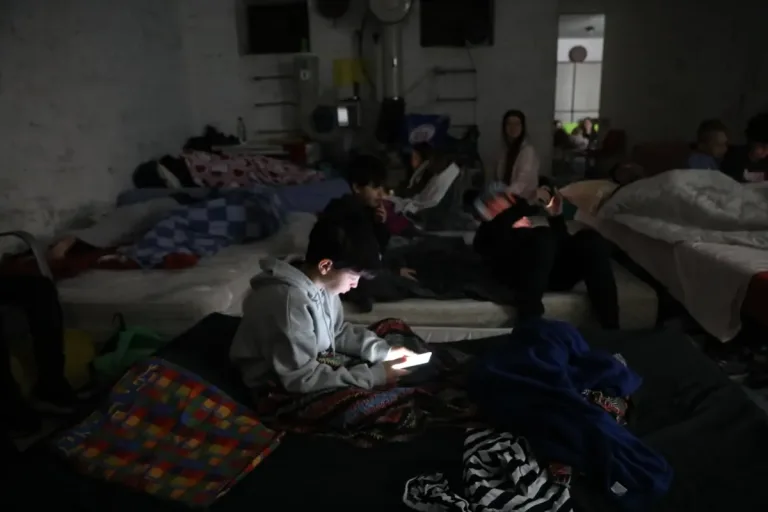
Among parents of children aged 2 to 10, 85 percent reported increased screen time. More than half said their children consumed more snacks and sweets, while nearly half reported increased fast food intake and higher consumption of sugary drinks.
Physical activity and sleep among children also declined, with more than half of parents reporting reduced movement and over 40 percent reporting shorter sleep duration.
The survey’s findings, according to Lotan, point to a broad impact of war conditions on daily routines, affecting both adults and children across multiple areas of health, and highlighting the extent to which prolonged stress reshapes everyday behavior.
“It is not clear whose responsibility it is: the public health sector, local councils, schools. Someone needs to understand how to help people keep healthy habits even during wartime, because they are clearly deteriorating,” Lotan said.
Asked whether the government should take responsibility moving forward, Lotan said the answer remains unclear. Drawing a comparison to the COVID-19 pandemic, she said multiple actors could play a role, including schools and media outlets, which could introduce initiatives such as at-home exercise programs and structured daily routines.
A follow-up survey is planned for after the end of the war to assess whether these behavioral changes persist or reverse over time.