
By Pesach Benson • April 20, 2026
Jerusalem, 20 April, 2026 (TPS-IL) — Israeli authorities exposed on Monday a covert Iranian-run apparatus directed by the Islamic Revolutionary Guards Corps that targeted senior Israeli officials and strategic infrastructure abroad.
The Mossad, Israel Security Agency (Shin Bet), and the Israel Defense Forces (IDF) said the exposure follows a series of operations in March in which Israeli airstrikes eliminated key Iranian leaders. The joint announcement cited cooperation with foreign security services that led to arrests and interrogations of suspected cell members in multiple countries.
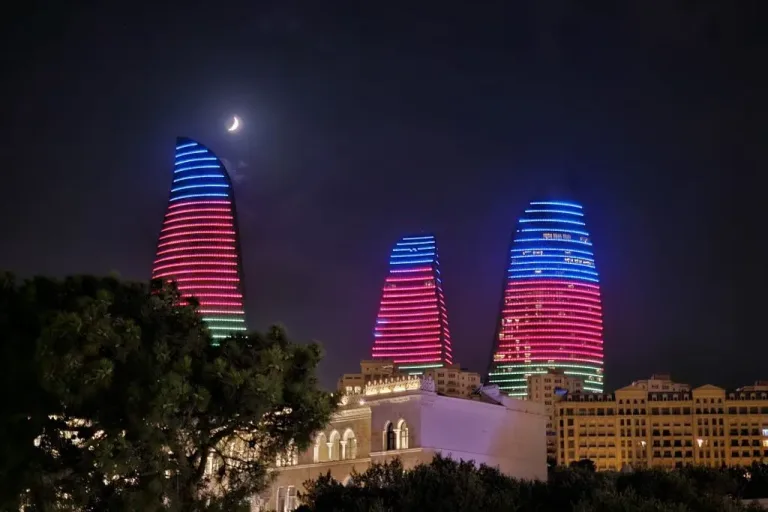
One of the most significant cases highlighted was in Azerbaijan, where local authorities said they foiled plots targeting both Israeli-linked and Western interests. These included the Baku-Tbilisi-Ceyhan oil pipeline, which transports energy through Georgia and Turkey, as well as the Israeli embassy in Baku, a synagogue, and individuals connected to the local Jewish community.
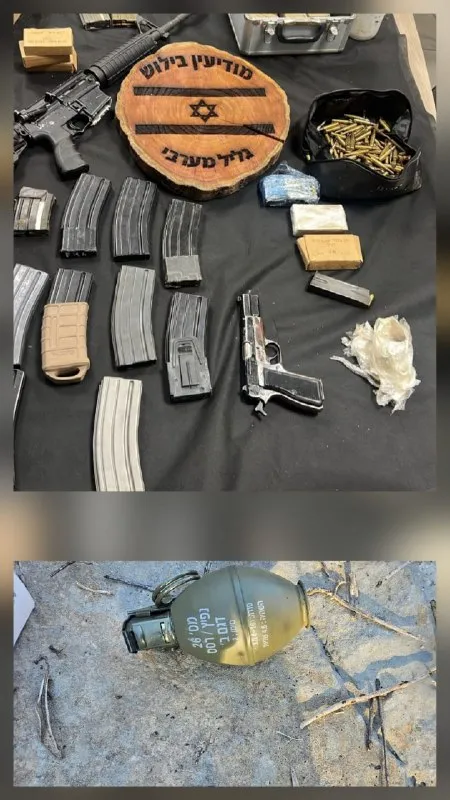
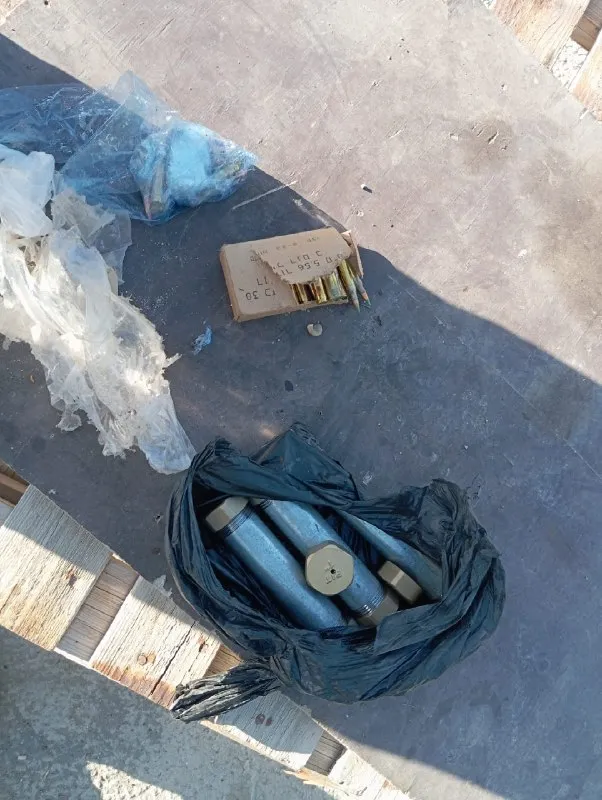
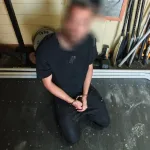
Azerbaijan’s state security service said it had “prevented terrorist acts and intelligence operations in Azerbaijan organized by Iran’s Islamic Revolutionary Guard Corps (IRGC).” Authorities said suspects were detained with explosive drones and other materials allegedly smuggled into the country, and that they had been conducting surveillance on potential targets under instructions from handlers in Iran.
According to the Israeli statement, the arrests helped uncover a wider structure operating under IRGC intelligence. At its centre was Rahman Moqadam, identified as head of the Special Operations Division 4000, which Israel says is responsible for external operations and weapons smuggling. Moqadam was killed in an Israeli strike early in the campaign, according to the statement.
The IRGC intelligence chief Majid Khademi is also named as having overseen the unit before being killed during the same period. Israeli officials say the apparatus recruited and trained operatives both inside and outside Iran, with instructions to collect intelligence on Israeli political figures, security officials, military sites, ports, and Israeli commercial and naval assets abroad.
Another figure named in the statement is Mohsen Suri, described as a senior operative within Division 4000. He allegedly coordinated with field cells outside Iran and was later killed in an Israeli strike after being located through joint intelligence efforts by the Mossad and Shin Bet.
The statement also refers to Mehdi Yekeh-Dehghan, known as “the Doctor,” who is described as having led operations linked to Azerbaijan and other regions. He is accused of directing the movement of explosive drones from Iran through Turkey toward Cyprus, and of overseeing intelligence collection on the U.S. Incirlik Air Base in Adana. Turkish authorities have previously reported arrests tied to suspected Iranian-directed espionage activity involving similar methods.
Israeli security officials say the network is part of a broader Iranian effort in recent years to establish covert cells targeting Israeli, Jewish, and Western interests overseas. The statement also refers to cooperation with aligned regional actors, including pro-Iranian militias in Iraq, as part of Iran’s external operations strategy.
The agencies say the dismantling of parts of the network highlights both its operational scope and its vulnerability once exposed. According to the statement, Iran’s use of third-country operatives is intended to preserve deniability, but “the exposure of these mechanisms repeatedly undermines that objective and limits their ability to operate covertly.”
The authorities added that investigations are continuing in several countries and that further arrests are expected.