














By Pesach Benson • February 10, 2026
Jerusalem, 10 February, 2026 (TPS-IL) — Israeli authorities at Ben-Gurion Airport prevented what they called a “national disaster” for the agricultural industry after intercepting an infected lemon tree sapling, the Ministry of Agriculture announced on Monday.
“The introduction of the lemon seedling could have led to a national disaster, destroying the entire citrus industry, harming food security and causing severe economic damage,” said Shlomit Zioni, Director of Plant Protection and Inspection Services at the Ministry of Agriculture and Food Security.
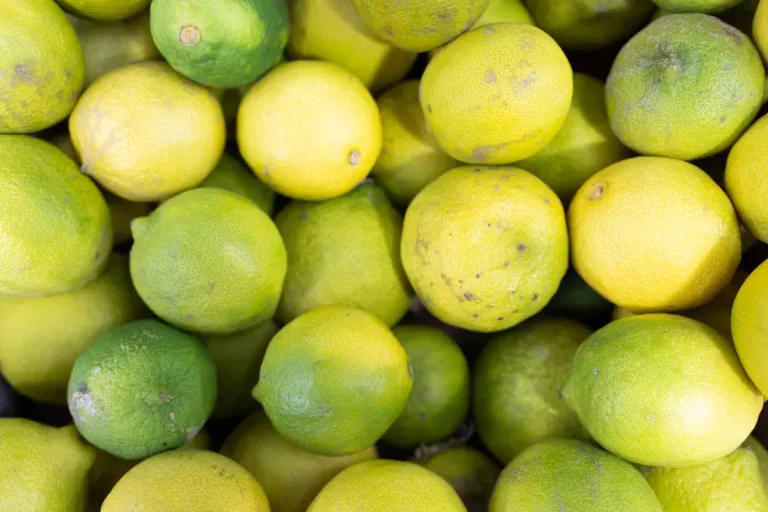
The smuggling attempt was uncovered at Ben-Gurion Airport, where customs inspectors and the Plant Protection and Inspection Services stopped a passenger in his 70s returning from Thailand. A scan of his suitcase revealed a shipment of plant materials, including a one-meter-tall lemon tree sapling. A random inspection confirmed the sapling, along with exotic fruits, vegetables, and root crops, had been brought into Israel without a license.
Tests conducted by the Plant Protection Services confirmed the sapling was infected with citrus greening disease, also known as Huanglongbing. Caused by the bacterium Candidatus Liberibacter, the disease attacks the tree’s nutrient-transport system, slowly starving the tree. It spreads primarily through a tiny insect called the Asian citrus psyllid (Diaphorina citri), which feeds on infected trees and carries the bacteria to healthy trees.
Citrus greening is considered one of the most destructive citrus illnesses worldwide. In countries where it has spread, including the United States and Brazil, greening has destroyed entire orchards and caused economic losses estimated in the billions of dollars globally. The disease had a catastrophic impact on Florida’s citrus industry after it was first detected in the state in the mid‑2000s. According to the University of Florida’s Emerging Pathogens Institute, U.S. Department of Agriculture data show that Florida’s citrus production dropped by about 94 percent between the 2003 and 2023 seasons.
Israel’s citrus industry is an important part of the country’s agricultural landscape, with planted citrus area at around 15,850–16,200 hectares in the 2022/23 and 2023/24 marketing years, according to U.S. Department of Agriculture estimates. Israel’s citrus groves produce large quantities of fruit, including oranges, mandarins, grapefruits, and lemons, and historical data point to annual yields of several hundred thousand tons, with roughly one‑third of that crop reaching export markets. In 2023, the value of citrus fruit production was estimated at about $543 million at export-equivalent prices.
Smuggling plants or seeds without a license — even at small scale — is a criminal offense, carrying fines and possible prosecution.
The seized sapling and all other plant materials were immediately destroyed to prevent any potential outbreak.
Related Topics