
















By Pesach Benson • April 3, 2026
Jerusalem, 3 April, 2026 (TPS-IL) — Recordings released on Friday from Israeli interrogations of captured members of Hezbollah’s elite Radwan Force indicate sharply falling morale and further confirm that the terror group renewed fighting on orders from Iran.
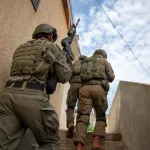
The suspects, detained during an Israeli Military operation, were reportedly preparing to launch an anti-tank missile against Israeli Forces. Once in custody in Israel, one terrorist openly described Hezbollah’s ties to Tehran, saying the group went to battle “under Iran’s guidance.”
The statements also revealed waning morale among fighters. One terrorist admitted that many were reluctant to fight, describing a sense of exhaustion after prolonged conflict. “Morale is at the bottom,” he said. “No one wants to go out anymore. After a year and a half of war, people come only because they are forced. You never know when the next shell will fall.”
Earlier in the day, the Israel Defense Forces said it had killed approximately 1,000 Hezbollah terrorists and struck more than 3,500 targets in Lebanon, along with key Hezbollah financial assets, during the past month.
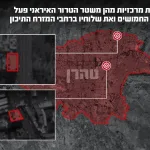
In addition, Israel has been systematically striking key assets and cash depots of the Al-Qard Al-Hassan Association (AQHA), a financial network through which Hezbollah deposits and stores funds, manages salary payments, and even makes money transfers from Iran.
The AQHA “operates as a parallel mechanism to the banking system in Lebanon, exploits citizens’ money, and receives money from Iran to finance the terrorist organization Hezbollah,” the IDF said.
In comments to The Press Service of Israel after Israel struck 20 AQHA branches in 2024, a senior figure in the Israeli intelligence community described AQHA as “one of the largest centers of economic power for the Iranian proxy.”
She also suggested that its competition with the Lebanese banking sector contributed to the country’s economic instability, while Hezbollah benefited from a parallel, unregulated financial system.
Related Topics