
















By Pesach Benson • February 18, 2026
Jerusalem, 18 February, 2026 (TPS-IL) — Israel will allow 10,000 Palestinians from Judea and Samaria to enter Jerusalem for Friday prayers at the Al‑Aqsa Mosque during the Muslim holy month of Ramadan, authorities announced Wednesday.
The Defense Ministry’s Coordinator of Government Activities in the Territories (COGAT) said the decision mirrors the criteria applied last year: men aged 55 and older, women aged 50 and older, and children aged 12 and under accompanied by a first-degree relative will be permitted to pray at the Temple Mount holy site.
“This is intended to allow and facilitate freedom of worship and religion for the public, subject to maintaining security stability,” COGAT said in a statement. The body added that “all permits are conditional upon prior security approval by the relevant security authorities.” Residents traveling to prayers will be required to undergo digital documentation at crossings upon returning to Judea and Samaria.
During Ramadan, Friday prayers are the most crowded because Friday is the holiest day of the Islamic week.
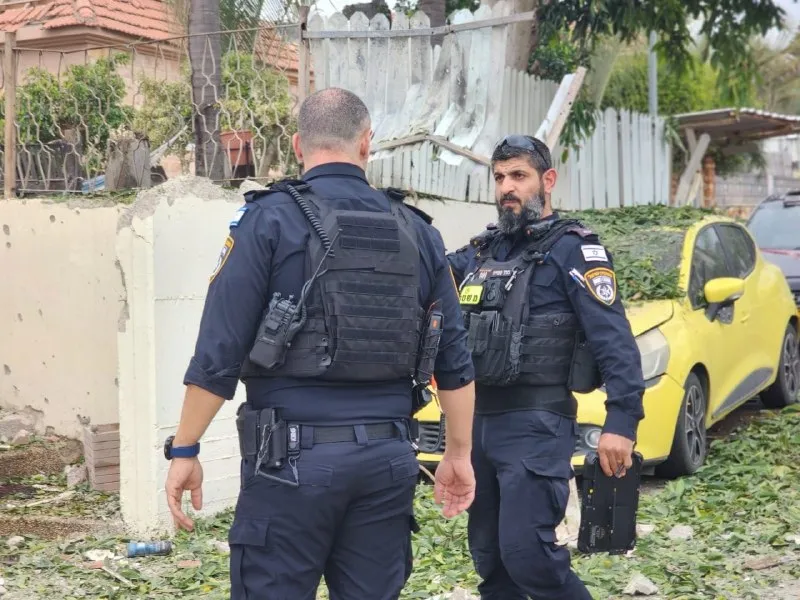
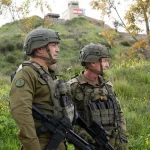
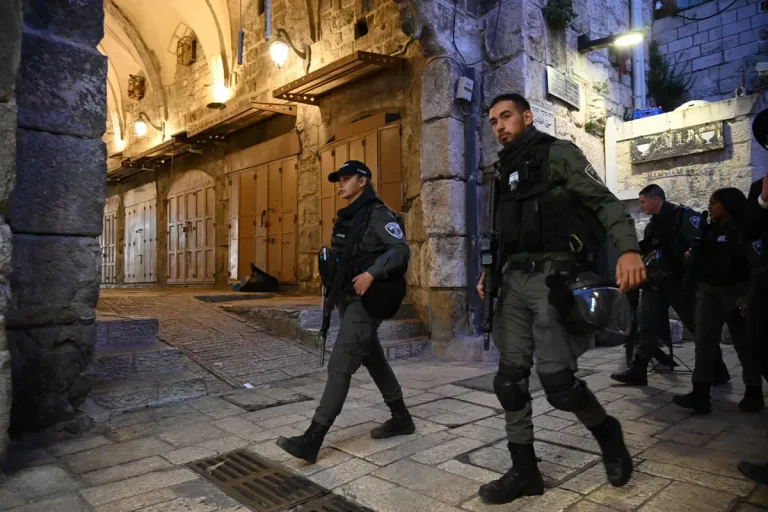
Ramadan began at sundown on Tuesday night. Israeli security personnel were deployed in Jerusalem and across Judea and Samaria. Security officials said the alert level has been raised in key hotspots, including the Old City, the Temple Mount, and the Green Line between Jerusalem and Judea and Samaria. Roads in northern Jerusalem near the security barrier were recently closed to reduce infiltrations. At the same time, police have boosted their monitoring of social networks for incitement.
In recent years, terror attacks have surged during Ramadan.
A particularly sensitive issue is the potential pilgrimage of Jewish visitors to the Temple Mount during the last ten days of Ramadan. In previous years, temporary restrictions have been applied to reduce friction, though no official decision has yet been announced for this year. For the first time in years, police began loosening restrictions on Jewish prayer on the Temple Mount. According to the status quo, non-Muslims are allowed to visit the Temple Mount, but not pray there.
The Temple Mount, where the First and Second Jewish Temples were built, is the holiest site in Judaism.
The delicate status quo over the Temple Mount goes back to 1967. Its day-to-day affairs are administered by the Islamic Waqf, a Muslim trusteeship overseen by the Jordanian monarchy, while Israel maintains sovereignty and security responsibility.
Related Topics