


















By Pesach Benson • December 2, 2025
Jerusalem, 2 December, 2025 (TPS-IL) — Israel’s State Comptroller on Tuesday accused the country’s defense and national security bodies of failing, for years, to protect some of the state’s most sensitive civilian and strategic facilities from missile, rocket, and UAV threats — even as dangers escalated dramatically during two years of war.
The report, prepared by State Comptroller Matanyahu Englman, reviewed steps taken since a 2020 audit and concluded that despite repeated warnings, two major wars, and tens of thousands of aerial attacks, core deficiencies remain largely unaddressed. The Comptroller regularly reviews Israel’s preparedness and the effectiveness of government policies.
“Not one of the major shortcomings identified in the previous audit was corrected,” the report said, warning that critical infrastructure was left vulnerable at moments of unprecedented escalation.
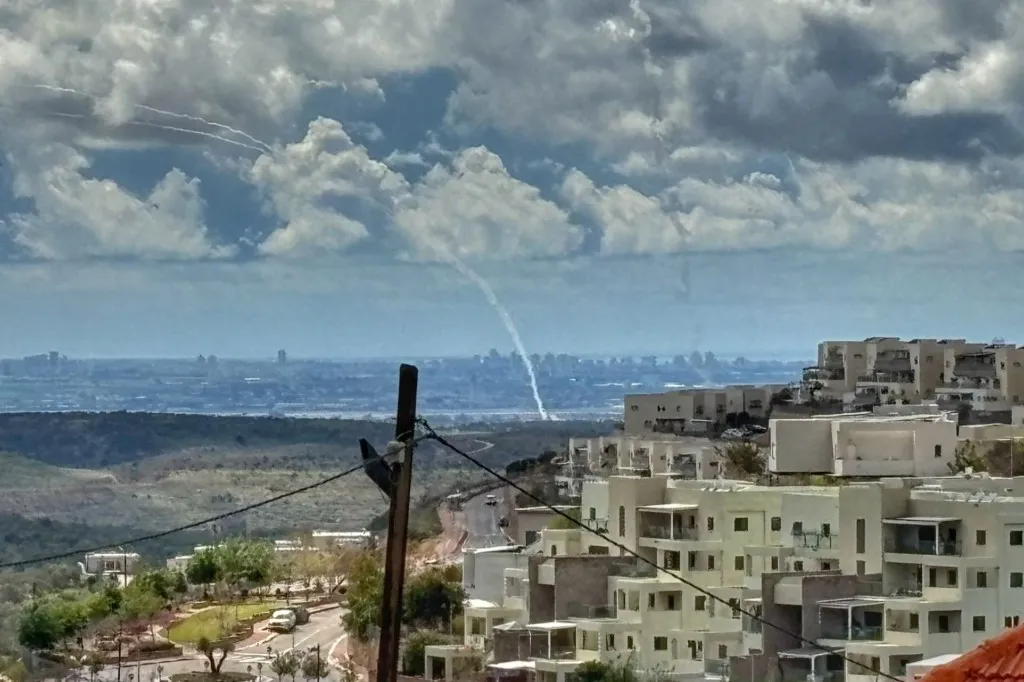
The audit highlights the scale of the threat Israel has faced since October 7, 2023. From the start of that war until October 2024, more than 26,000 rockets, missiles, attack drones, and explosive UAVs were launched toward Israel. The danger increased further during Israel’s June 2025 operation against Iran, when Tehran fired more than 500 ballistic missiles and nearly 1,000 UAVs.
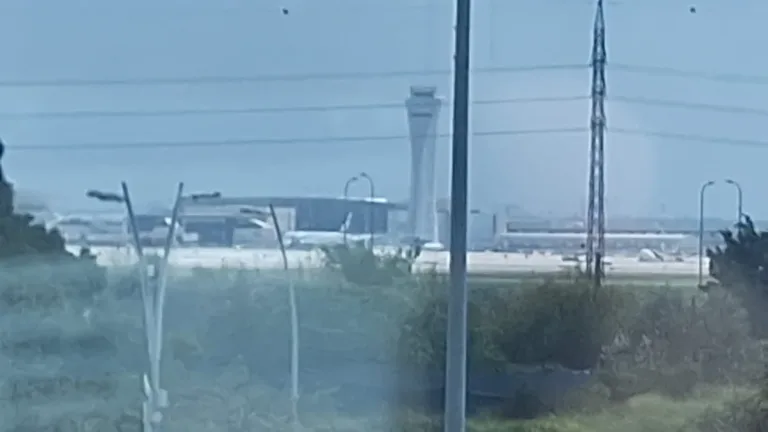
Israel’s multilayered air defenses intercepted most projectiles, but some struck civilian and military sites. These incidents, the report said, “underscored the urgent need for reinforced physical protection of essential facilities,” a need the Comptroller argues has not been met. Critical infrastructure hit during attacks included Ben-Gurion Airport, the Bazan oil refinery at Haifa’s port, the Weizmann Institute of Science in Rehovot, and Beer-Sheva’s Soroka Hospital.
Englman found that Israeli authorities failed to complete basic preparatory tasks such as mapping which critical facilities require reinforced protection, determining how they should be secured, or drafting a multi-year, budgeted national program. Ministries and agencies debated responsibilities, but no single body assumed ownership. Within the defense establishment, the report stated, “none of the relevant entities view themselves as responsible for the matter, let alone responsible for coordinating it,” resulting in years of inaction.
Internal documents cited in the report show that senior officials in at least one government body repeatedly warned the defense minister in 2019, 2021, and 2022 about rising missile threats and the absence of national planning. These letters, the Comptroller wrote, went unanswered.
Even after war erupted, the Ministry of Defense took only “isolated and limited measures,” failing to initiate or complete the facility-mapping process or present a protection plan to the government. The MoD director-general and multiple defense ministers “did not promote treatment of the issue,” the audit said.
The National Security Council (NSC) was also criticized for failing to raise the matter with the Security Cabinet, despite its legal mandate to do so. For years, the NSC did not propose cabinet discussion of the protection gap, even after the 2020 audit explicitly recommended doing so. Only in late 2023—after an appeal from a senior official in a sensitive body—did the NSC begin limited activity, according to Englman.
A major obstacle remains the absence of a legal or regulatory framework. A comprehensive “Home Front Law,” intended to clarify emergency-preparedness responsibilities and empower the government to mandate protective measures, has been stalled in draft form for fourteen years. A 2011 government decision intended to guide national infrastructure protection was never expanded to cover additional sensitive bodies, leaving a regulatory vacuum.
Budget disagreements also stalled progress. The Defense Ministry argued that fortifying all relevant sites would cost tens of billions of shekels, exceeding available resources, while the Finance Ministry maintained that the defense establishment could absorb the expense. With no agreement on funding, no plan was presented to the cabinet.
Englman concluded that the prolonged failure to act “poses a significant risk to essential national systems,” particularly as hostile actors increasingly employ long-range precision weapons and explosive drones. The Comptroller called on the prime minister, defense minister, and military chief of staff to immediately map critical facilities, establish a budgeted multi-year program, define interagency responsibilities, resolve funding mechanisms, and advance legislative and interim regulatory solutions.
In response to the audit, the Ministry of Defense said the “survival of vital facilities and the preservation of functional continuity are at the core of the ministry’s strategy,” and that detailed work plans have been formulated. It said a joint team of ministry departments, the Israel Defense Forces (IDF), and other agencies has been established to map, prioritize, and define required protection packages.
Additional steps, the ministry said, include adding protective elements to key facilities, improving coordination with the IDF, and upgrading defenses at prioritized sites.
Related Topics