















By Ehud Amiton/TPS • December 31, 2025
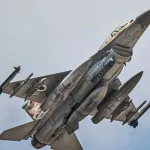
Jerusalem, 31 December, 2025 (TPS-IL) — After a year of near-constant fighting on multiple fronts, Israel’s military says it carried out almost 21,000 strikes in 2025, mobilized more than 300,000 reservists and conducted operations stretching from the Gaza Strip and southern Lebanon to Iran and Yemen, according to sweeping year-end numbers released Wednesday by the Israel Defense Forces (IDF).
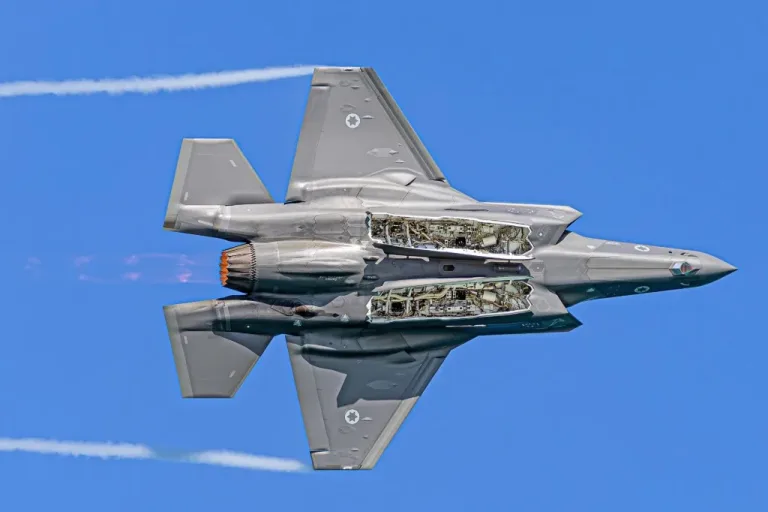
The IDF said it struck about 20,900 targets across all fronts during the year and conducted roughly 430 operations. Nearly 307,000 reservists were mobilized, while naval forces logged around 130,000 hours at sea and carried out 50 maritime strikes. An IDF spokesperson said the figures reflected “a sustained, multi-front campaign unlike anything the military has faced in decades.”
The Gaza Strip accounted for the vast majority of Israeli strikes. The IDF said it attacked approximately 19,530 targets there, destroying nearly 14,000 sites it defined as terror infrastructure, including weapons depots, command centers and launch facilities. The military reported killing thousands of Hamas operatives and eliminating dozens of senior commanders, including brigade, battalion and company-level leaders.
Among those killed were Mohammad Sinwar, head of Hamas’ military wing and brother of Yahya Sinwar, as well as Muhammad Shabana, commander of the Rafah Brigade, and several other senior figures involved in weapons production and naval operations. An IDF official said the campaign had “systematically dismantled Hamas’ chain of command,” adding that only one brigade commander from before the war remains alive.
Around 1,200 people were killed, and 252 Israelis and foreigners were taken captive by Hamas during the October 7, 2023, attack on southern Israel. The body of Israeli Police Master Sgt. Ran Gvili remains in Gaza.
In Lebanon, where Israel is enforcing a ceasefire reached in late 2024, the IDF reported killing around 380 Hezbollah operatives and striking roughly 950 to 1,000 targets. These included launchers, weapons depots, military structures and underground shafts. The army also accused Hezbollah of violating the ceasefire about 1,920 times during the year. “We responded to every significant breach,” a senior officer said, “while seeking to prevent a return to full-scale war in the north.”
The ceasefire requires Hezbollah to withdraw its armed forces from southern Lebanon and prohibits it from operating south of the Litani River.
In Judea and Samaria, Israeli forces killed about 230 Palestinian terrorists and arrested approximately 7,400 terror suspects — including nearly 1,200 linked to Hamas. The military said it seized more than 1,300 weapons and confiscated about NIS 16.5 million ($5.19 million) in terror funds. Thirty suspects’ homes were demolished, and around 80 brigade-level operations were carried out. The IDF also announced the establishment of a new eastern border formation, Division 96.
The report detailed Israeli operations far beyond its borders.
In Iran, during 12 days of fighting in June, the IDF said it struck hundreds of targets and killed dozens of senior regime figures, including top commanders of the Islamic Revolutionary Guards Corps (IRGC) and the armed forces. The IDF also claimed responsibility for the deaths of 11 Iranian nuclear scientists.
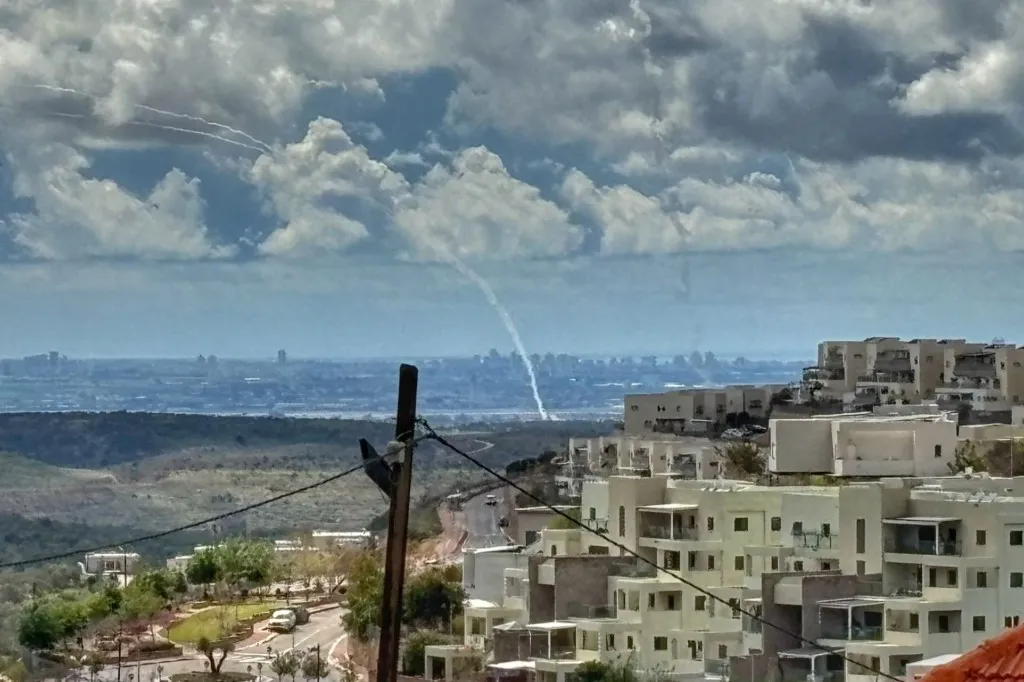
During 12 days of fighting, Iran launched roughly 550 ballistic missiles and 1,000 drones at Israel, most of which were intercepted. However, at least 31 missiles struck populated areas, and one drone hit a home. The attacks killed 28 Israelis and injured more than 3,000.
In Yemen, Israel conducted about 20 major air operations against the Iran-backed Houthis, striking some 230 targets. Many of the attacks, the IDF noted, were repeat strikes after Houthis attempted to repair damaged sites. The IDF said it killed senior Houthi military and government officials, including the group’s chief of staff, Muhammad al-Ghamari.
On the intelligence front, the IDF revealed new details about Unit 504, a secretive military intelligence unit responsible for interrogations. According to the report, the unit questioned about 3,100 detainees in 2025, roughly half in detention facilities and half in field conditions.
“Field interrogations are conducted under extremely complex circumstances,” the IDF said, noting that interrogators often operate immediately after combat.
The human cost of the year was also highlighted. Ninety-one Israeli soldiers were killed in war-related circumstances, and 821 were wounded. While the numbers were lower than in the peak fighting of 2023 and 2024, the army acknowledged the toll remained heavy. “This has been a demanding year for our forces and for Israeli society,” an IDF official said.
On the home front, the military said it expanded civil defense efforts, deploying 1,500 mobile bomb shelters, renovating about 200 public shelters, and handling more than 1.5 million emergency hotline calls.
Related Topics