















By Pesach Benson • February 8, 2026
Jerusalem, 8 February, 2026 (TPS-IL) — Israel lifted a years-long Gag Order on the identity of a Military Intelligence officer who died in custody in 2021 while awaiting trial on security charges, reopening public scrutiny of a case combining alleged intelligence misconduct, prolonged secrecy and claims of systemic failure by the defense establishment.
The Israel Defense Forces’ Military Court of Appeals on Saturday night ended restrictions that blocked identification of Capt. Tomer Eiges, 24, even as some details circulated online.
Eiges was arrested in August 2020 by the Israel Security Agency (Shin Bet) and placed in military detention under highly classified conditions. Prosecutors accused him of committing multiple grave Security Offenses during his service, alleging that his actions were deliberate and carried out alone. The army maintained that he did not act on behalf of a foreign power, for financial gain, or out of ideological motives, but for what it described only as “personal reasons.”
At the time of his arrest, then-IDF chief of staff Lt. Gen. Aviv Kohavi said the case involved an incident that “nearly caused damage to a state secret,” adding that the harm was prevented shortly before it could occur.
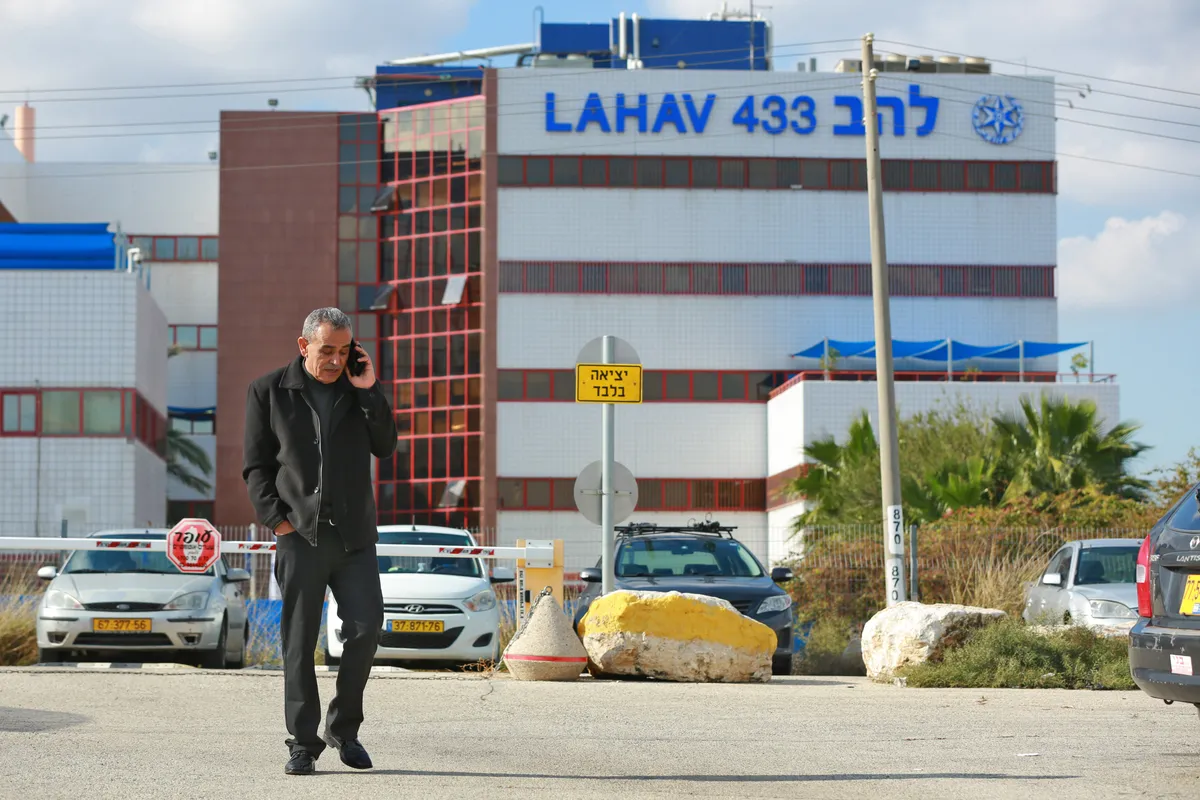
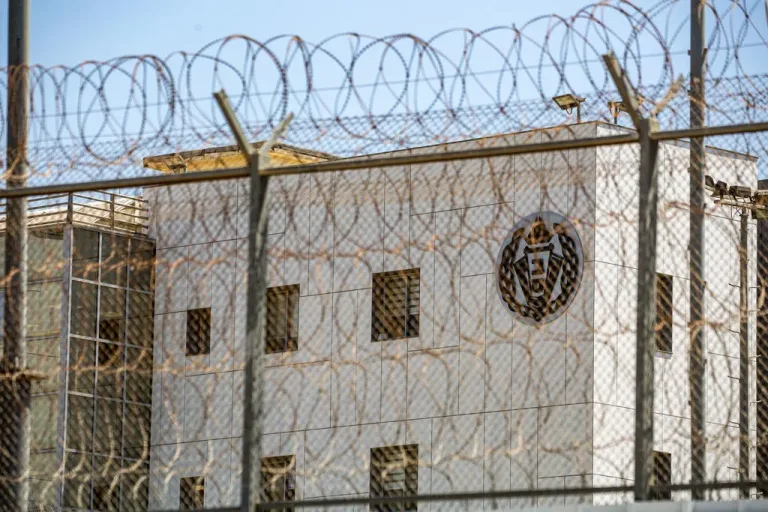
Eiges was held for nine months at Neve Tzedek military prison while plea negotiations were underway. He faced a potential indictment covering dozens of alleged offenses and an expected sentence of a decade or more. On May 17, 2021, the eve of the Jewish holiday of Shavuot, he was found unconscious in his cell and died several hours later in hospital. The immediate cause of death was never definitively determined.
An autopsy conducted in Israel and follow-up forensic testing in the United States failed to establish a clear medical explanation. Military officials initially suggested, without formal attribution, that Eiges may have taken his own life, a claim his family strongly disputed.
The prison in which he was held had been newly opened and designed to reduce the risk of suicide, including continuous camera surveillance and specially designed fixtures. Footage later broadcast by Israel’s public broadcaster Kan News showed Eiges collapsing in his cell weeks before his death, crawling toward the camera and signaling for help. According to the report, this was one of several medical episodes during his detention, at least one of which resulted in hospitalization.
A final opinion by the Chief Military Prosecutor’s Office rejected the suicide theory. The opinion stated that Eiges’s death resulted from “a severe medical failure combined with a series of command, medical, and investigative shortcomings.” It concluded that he entered prison without a known health condition but suffered repeated medical events that were inadequately treated and insufficiently monitored.
“There was no evidence of a suicidal act,” the opinion said, citing toxicology findings and security footage showing no unusual behavior prior to his death. The report acknowledged investigative failures, including missing evidence and lost camera recordings, which it said “irreversibly harmed the ability to establish the full truth.” Disciplinary and command measures were taken against several officials.
Eiges’s parents rejected any suggestion that the outcome was unavoidable. “Our son could have been saved, but he was left to die,” they said, arguing that warning signs were ignored and medical care was mishandled. Their legal representatives described the case as “systemic negligence that led to a preventable death,” adding that official sanctions against personnel underscored the severity of the failures.
Born in Haifa in 1996, Eiges was widely regarded as an exceptional talent. He completed a bachelor’s degree in computer science at the University of Haifa while still in high school, worked as a software developer before enlistment, and was fluent in several languages. During his military service, he received multiple commendations and was part of a team that won a national security award.
In 2023, the IDF posthumously recognized Eiges as a fallen soldier, adding military insignia to his gravestone and granting his family Defense Ministry benefits. Supporters have since established a scholarship fund in his name, described by organizers as both a memorial and a protest against the circumstances surrounding his detention and death.
Related Topics