










By TPS-IL • March 15, 2026
Jerusalem, 15 March, 2026 (TPS-IL) — As Israel’s multifront war enters its third year, a Hebrew University of Jerusalem study finds that while teenagers’ basic safety needs are mostly met, the conflict is quietly undermining their sense of security, freedom of expression, and equality. Strong family ties, especially conversations with parents, remain a key source of resilience.
“The importance of the study is that it is the first time worldwide that questions were asked not only based on the traditional view of the physical protection that children need, but on a broader look at their entire field of rights, such as services, education, and participation in the community and the family,” Professor Tali Gal, who led the research, told the Press Service of Israel.
She added that the study was based on the United Nations Convention on the Rights of the Child. Adopted in 1989 and ratified by nearly every country, the UN Convention on the Rights of the Child is an international treaty that ensures children’s protection, development, and well-being by obligating governments to safeguard their rights and prioritize their best interests.
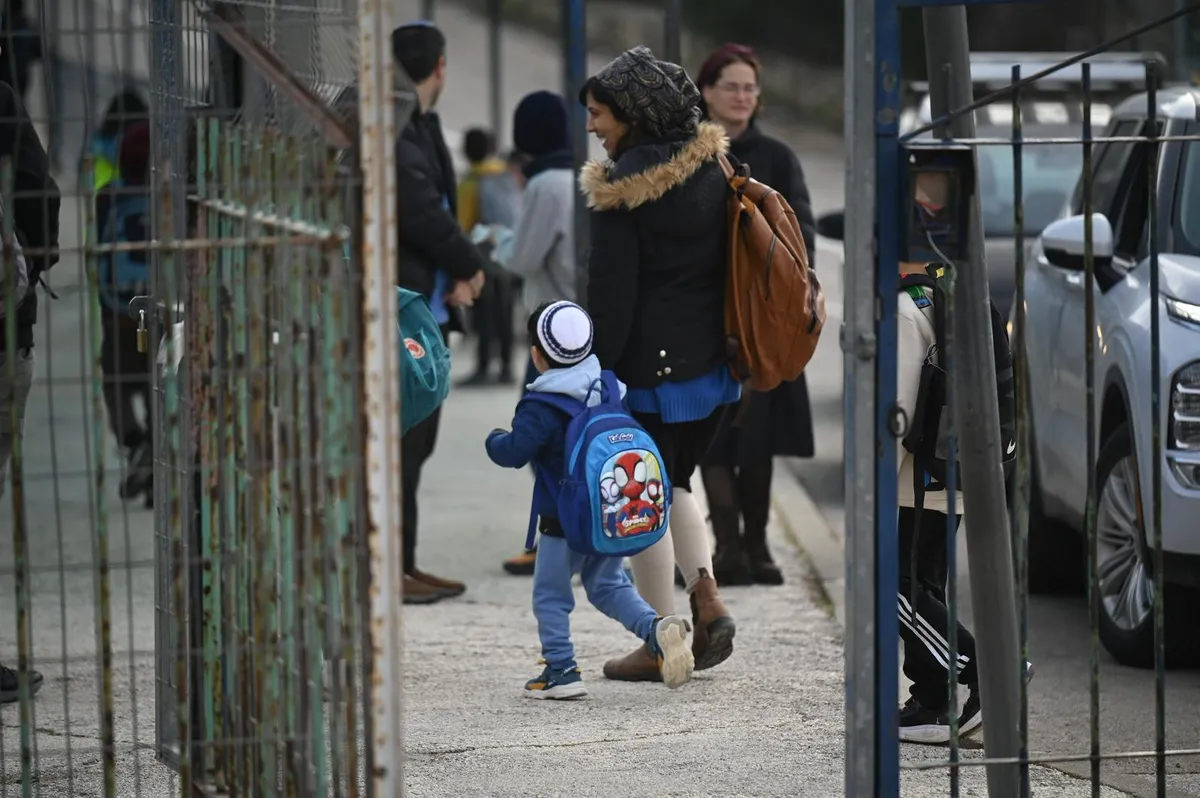
Gal said researchers distributed questionnaires to 500 children across Israel during 2025. They found that basic physical protection remains largely intact, and many adolescents still have access to shelters, but their internal sense of safety has been shaken.
The research, published earlier this month in the peer-reviewed journal Frontiers in Psychology, found that about 20 percent of participants reported exposure to violence, most commonly verbal harassment in school environments. The research also revealed a widespread “fear of the other” among teenagers, she said.
Hebrew-speaking adolescents reported avoiding Arab locations or people due to security concerns. Arabic-speaking participants, meanwhile, described fear of police violence or arrest as a reason they sometimes refrain from expressing their opinions.
The study also highlights disruptions in education. Hebrew-speaking schools experienced frequent staff changes, which researchers link to teachers being called up for military reserve duty, while Arab schools showed greater stability during the same period.
Some teenagers said they feared being shamed, boycotted by peers, or damaging friendships if they spoke openly about sensitive issues. Arabic-speaking youth reported feeling significantly less free to express their opinions than their Hebrew-speaking peers.
“Wartime reality has caused children to close up and be suspicious of the other, whether they are from another community, language, or hold a different opinion,” Gal said.
“It is important that even in the harsh conditions of war, and while the priority is to maintain physical safety, teachers encourage children to speak respectfully about the situation and feel comfortable expressing their feelings and views, so that they learn how to have a dialogue,” she added.
Related Topics