


















By Pesach Benson • January 21, 2026
Jerusalem, 21 January, 2026 (TPS-IL) — New data released by the Conference on Jewish Material Claims Against Germany shows that approximately 196,600 Jewish Holocaust survivors are alive worldwide, highlighting the rapidly shrinking and aging survivor population more than eight decades after the Holocaust.
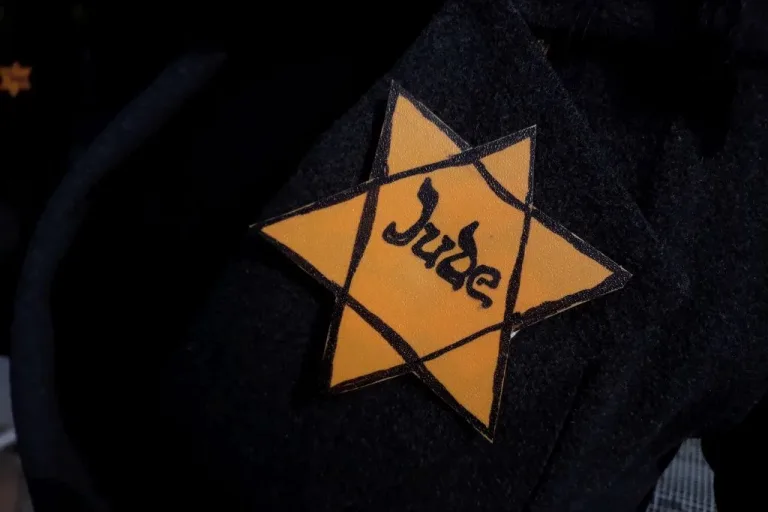
The figures were released ahead of International Holocaust Remembrance Day on Jan. 27. Designated by the United Nations, the day marks the anniversary of the Auschwitz-Birkenau Nazi concentration camp’s liberation by Soviet soldiers in 1945. Six million Jews were systematically killed by Nazi Germany and its collaborators during World War II.
“The data provides a clear, up-to-date snapshot of the global survivor population,” the Claims Conference said, describing the figures as an essential resource for understanding “the ongoing need for support and remembrance.”
The number of survivors has declined sharply in just one year. In January 2025, the Claims Conference estimated that about 220,000 Jewish Holocaust survivors were still alive. The latest count represents a decrease of more than 23,000 people, underscoring the urgency of documenting survivor testimony and addressing their welfare needs.
Geographically, Israel is home to half of all living Jewish Holocaust survivors, with an estimated 97,600 people. North America accounts for 18 percent of the global total, including about 31,000 survivors in the United States, or roughly 16 percent worldwide. Western Europe is home to 17 percent of survivors, while about 11 percent live in countries of the former Soviet Union.
France has the third-largest survivor population after Israel and the United States, with about 17,300 people, followed by Russia with 14,300 and Germany with 10,700. Smaller but still significant survivor populations live in countries such as Ukraine, Canada, Hungary, Australia and Belarus.
The data also illustrates how advanced in age most survivors are. The median age is 87, with survivors ranging from 79 to over 100 years old. Just over 1 percent are centenarians, while 30 percent are aged 90 or older. Nearly all survivors, 97 percent, are classified as “child survivors,” meaning they were born between 1928 and 1946 and endured the Holocaust as children.
Women make up the majority of the survivor population, accounting for 62 percent, while men represent 38 percent.
In addition to demographic data, the Claims Conference highlighted the scope of compensation and welfare assistance currently provided. About 34 percent of survivors, roughly 68,000 people, receive monthly pension payments negotiated by the organization, while others are eligible for one-time or annual compensation. Seventy-one percent, about 139,000 survivors, are receiving or have recently received social welfare services through more than 300 agencies funded by the Claims Conference.
The organization noted that 67,600 survivors qualified for extra assistance through its Basic Needs Fund, which provides targeted food support to the most economically vulnerable. As the Claims Conference emphasized, the figures reflect both “the advanced age of survivors and the critical importance of sustained care and support” as their numbers continue to decline.
Related Topics