


























“The Jews enjoyed light and gladness, happiness and honor.” (Book of Esther 8:16)
Purim, a Jewish holiday that occurs annually in February-March, celebrates Jewish joy and endurance.
After the destruction of the first temple in Jerusalem, many Jews were exiled from Israel and wound up in Persia. The Purim story begins in Shushan, Persia’s capital, where King Achashverosh exerted his dominion over the entire Near East.
An evil advisor to the King, Haman, sought to eradicate the Jewish community. With the king’s seal of approval, Haman issued a decree to murder all Persian Jews on the 14th of the Jewish month of Adar.
But, thanks to the courage of the Jewish queen of Persia, Esther, and her uncle, Mordechai, Haman’s plot was foiled. On the 14th of Adar, again with the king’s seal of approval, Jews took to the streets to defend themselves, and Haman and his ten sons were hung.
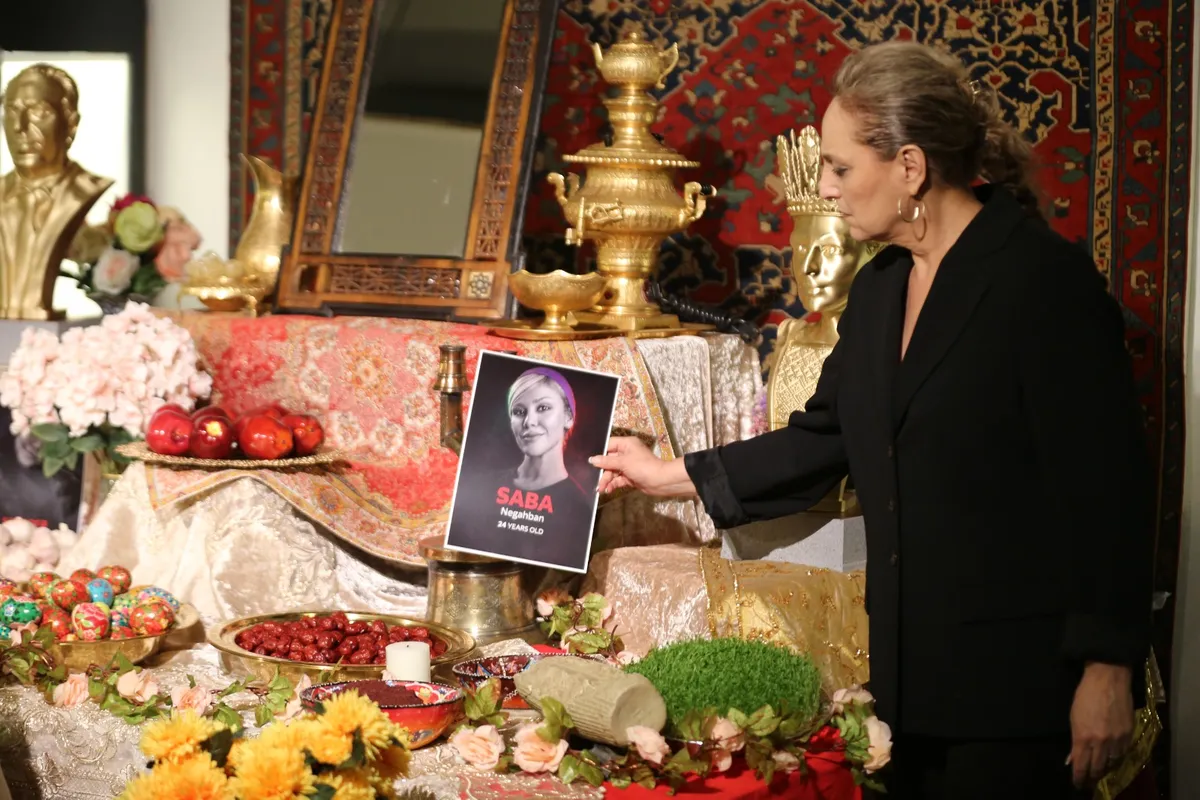
Purim is typically a joyous and colorful day. On Purim, Jews traditionally dress in “topsy-turvy” costumes, symbolic of the way that Haman’s plan was flipped on its head and of the way that an originally dark day for Jews became a cause for celebration. It is customary to throw feasts and exchange goodies, such as triangle-shaped cookies representing the triangle-shaped hat that Haman wore… or perhaps his triangle-shaped ears! Jews read from the Book of Esther, and many communities perform satirical “Purim shpiels.”
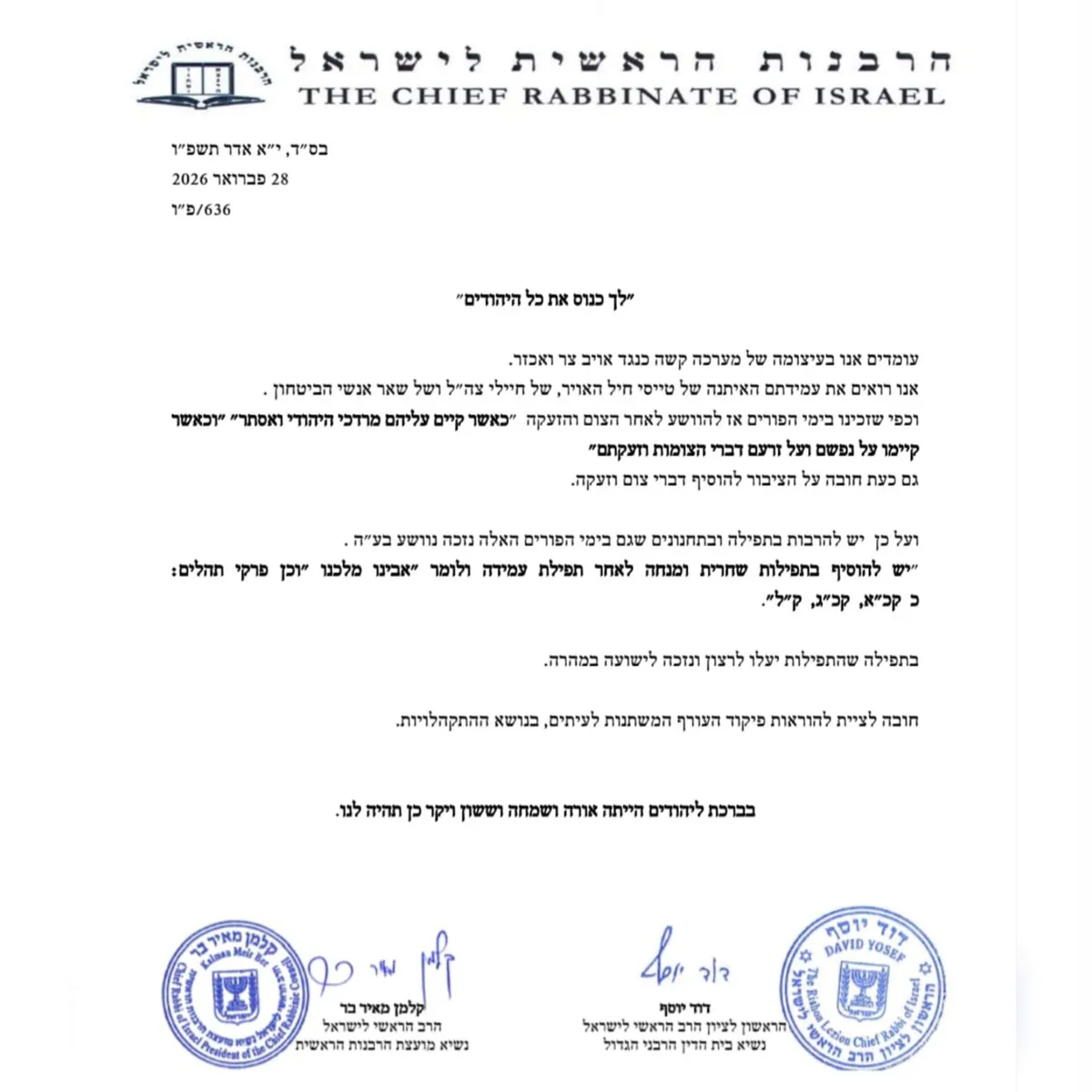
This year, the story and message of Purim feel eerily familiar. For nearly a year-and-a-half, Israel has been engaged in a war against terrorist groups that wish to exterminate the Jewish people, much like Haman sought. Like Esther, Mordechai, and the Jews of Persia, Israelis are fighting a battle for our very existence, a battle of self-defense.
Furthermore, these terrorist organizations – including Hamas, Hezbollah, and the Houthis – are all part of Iran’s “axis of terror.” Iran, the modern-day Persia, funds and trains terrorists along Israel’s borders and throughout the entire Middle East; Iran’s supreme leader, Khamenei, is the modern-day Haman.
While many of Israel’s current circumstances echo those of the Purim story, one critical detail has changed; in Queen Esther’s time, Jews were subject to King Achashverosh and to Persian rule. Now, the Jewish people have a state of their own; we don’t need Persia’s “seal of approval” – or anyone else’s – to stand up for ourselves.
Today, let’s celebrate Jewish existence and Jewish joy. Let’s show our enemies that we’re still here, that we’re not crushed in body or spirit.
Purim Sameach!