








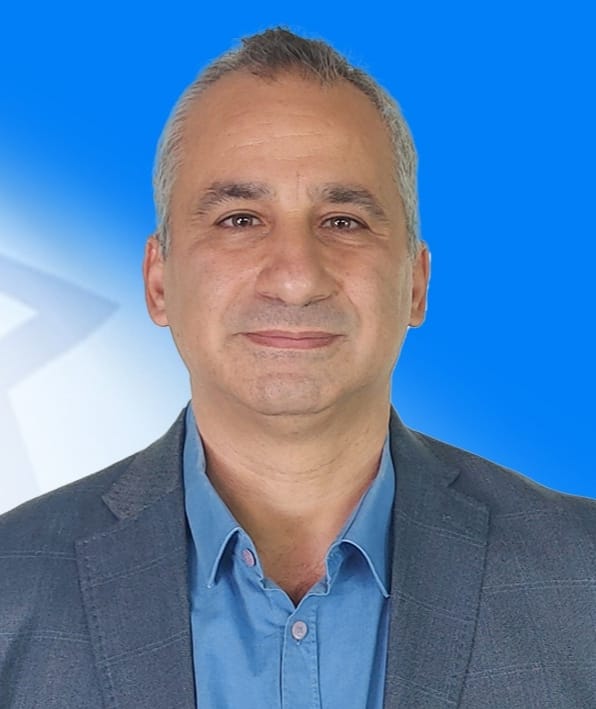
As the geopolitical landscape of the Middle East undergoes a seismic shift, one nation remains caught in the crossfire of imperial ambitions and global indifference. In a rare and powerful joint appearance, two of Israel’s most prominent Middle East analysts—Dr. Edy Cohen and veteran correspondent Zvi Yehezkeli—have issued an urgent clarion call to Jerusalem and the international community. Their message is unequivocal: the systematic slaughter of the Kurdish people in northeastern Syria is not merely a humanitarian disaster; it is a strategic catastrophe that the world can no longer afford to ignore.
In a briefing conducted in both Hebrew and fluent Arabic, Cohen and Yehezkeli dismantled the silence surrounding the “genocide” currently unfolding against Kurdish minorities. Their dialogue serves as both a moral indictment of global apathy and a calculated warning regarding the long-term stability of the region.
A Calculated Campaign of Erasure
Dr. Edy Cohen, a senior researcher and a formidable voice in the Arab digital sphere, provided a scathing analysis of the forces driving the current violence. He identifies a dangerous convergence of interests between Turkish President Recep Tayyip Erdogan and the extremist factions led by Abu Mohammad al-Jolani. According to Cohen, the offensive is far from a spontaneous military escalation; it is a pre-meditated campaign of ethnic cleansing designed to dismantle Kurdish autonomy and replace it with extremist hegemony.
“We are witnessing the cold-blooded massacre of children and the systemic violation of women,” Dr. Cohen stated with visible gravity. He emphasized the bitter irony that the Kurds, who served as the primary frontline force in the global coalition against ISIS, are now being abandoned to the very extremist ideologies they sacrificed thousands of lives to contain.
Dr. Cohen’s critique extended to Washington, where he asserted that the Kurds have been “betrayed” by shifting American priorities. By withdrawing support and creating a power vacuum, the international community has effectively greenlit a massacre. For Cohen, the survival of the Kurdish people is the ultimate litmus test for the West’s commitment to its own democratic values.
The Strategic Imperative: A View from the Frontlines
Standing alongside Cohen, Zvi Yehezkeli brought decades of experience as a premier analyst of jihadist movements to the discussion. As the head of the Arab desk for major Israeli news outlets, Yehezkeli views the Kurdish plight through the lens of Israel’s own national security. He argued that the Kurds are “natural allies” whose values of secularism, pluralism, and resilience align perfectly with the strategic interests of the State of Israel.
Yehezkeli reminded his audience of the historical “Alliance of the Periphery,” a doctrine where Israel supported minority groups in the Middle East to counter radicalism. “Just as Israel has historically stood with the Druze and other persecuted minorities, we cannot remain silent while our Kurdish brothers-in-arms are decimated,” Yehezkeli noted.
He warned that the rise of Jolani, bolstered by Turkish geopolitical maneuvering, represents a direct threat to the regional balance of power. If the Kurdish bulwark falls, extremist elements will gain a territorial foothold that will eventually challenge every stable border in the Levant, including Israel’s.
The Power of Language and Media
A striking element of this joint call to action is the dual-language approach. Dr. Edy Cohen, whose Arabic broadcasts reach millions across the Middle East, directed his words toward the Arab world and regional leaders, exposing the hypocrisy of those who claim to champion human rights while ignoring the Kurdish blood being spilled on their doorstep.
Zvi Yehezkeli complemented this by providing the deep-contextual analysis required for a Western and Israeli audience to understand the gravity of the moment. Together, they represent a unique fusion of academic rigor and investigative journalism, using their platforms not just to report on the news, but to demand a change in the course of history.
A Call for Immediate Intervention
The consensus between Cohen and Yehezkeli is clear: the time for “quiet concern” has passed. They demand that the Israeli government elevate the Kurdish issue to the highest levels of its diplomatic agenda, particularly in its dialogues with the United States and European powers.
“History will not forgive those who possessed the knowledge to act but chose the comfort of silence,” the analysts concluded. They argued that supporting the Kurds is not an act of charity, but a vital investment in a stable, pluralistic Middle East.
In the rugged terrain of northeastern Syria, the Kurdish people are looking for a sign that they have not been forgotten. Through their joint plea, Edy Cohen and Zvi Yehezkeli have ensured that their voice reaches the halls of power. The question now remains whether the world’s leaders possess the political courage to respond.